



Multiple federal agencies are uniting in an effort to tackle the health risks posed by ultra-processed foods to Americans, according to a July 23 joint statement.
The joint effort is a collaboration among the Department of Health and Human Services (HHS), the Food and Drug Administration, and the Department of Agriculture (USDA). The initiative is aimed at addressing the “growing concerns around ultra-processed foods and the current epidemic of diet-related chronic disease that is plaguing America.”
The agencies have called for a joint request for information document to collect the data required to establish a uniform definition for ultra-processed foods that is recognized at the federal level.
“Currently, there is no single authoritative definition for ultra-processed foods for the U.S. food supply,” the statement reads. “Creating a uniform federal definition will serve as a key deliverable on the heels of the recently published Make Our Children Healthy Again Assessment, which recognizes that the overconsumption of ultra-processed foods is one of the driving factors of the childhood chronic disease crisis.”
A uniform definition for ultra-processed foods will also act as a critical step to boost transparency for customers about the foods they consume, according to the statement.
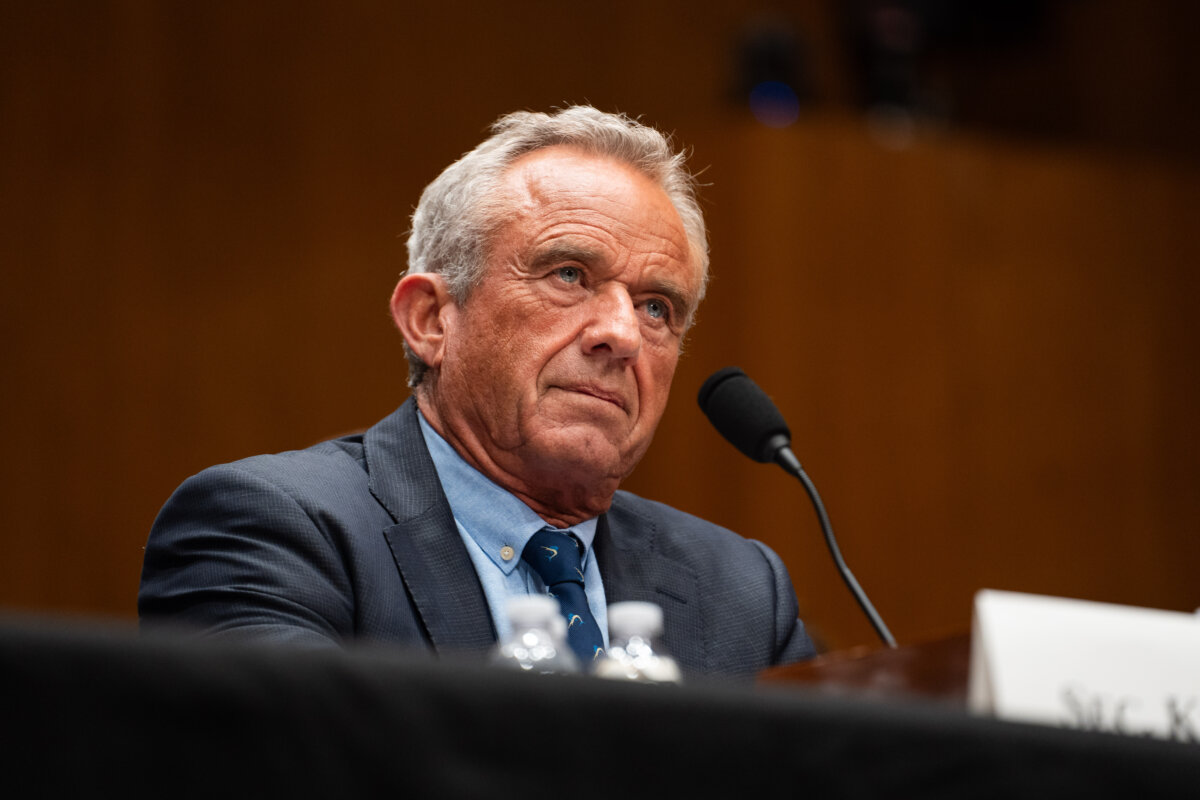
The effort is being led by HHS Secretary Robert F. Kennedy Jr. and USDA Secretary Brooke Rollins.
The Make Our Children Healthy Again Assessment refers to the May 22 report released by the Make America Healthy Again (MAHA) Commission, chaired by Kennedy. The report had specifically cited ultra-processed foods as posing a health risk to American children.
Kennedy blamed ultra-processed foods for driving the country’s “chronic disease epidemic” in the July 23 statement.
“We must act boldly to eliminate the root causes of chronic illness and improve the health of our food supply,” he said. “Defining ultra-processed foods with a clear, uniform standard will empower us even more to Make America Healthy Again.”
According to the statement, it is estimated that roughly 70 percent of packaged products in the country’s food supply are items considered to be ultra-processed. Children get more than 60 percent of their calories from these foods, it said.
Studies have found links between such foods and several adverse health outcomes, such as obesity, cancer, neurological disorders, Type 2 diabetes, and cardiovascular disease, according to the statement.
“President [Donald] Trump has made it a priority to improve health outcomes for American families and communities. And this Request for Information is yet another step in seeking commonsense ways to foster improved and more informed consumer choice,” Rollins said.
“A unified, widely understood definition for ultra processed foods is long overdue and I look forward to continued partnership with Secretary Kennedy to Make America Healthy Again. As this process unfolds, I will make certain the great men and women of the agriculture value chain are part of the conversation.”
The MAHA commission was established by Trump through a Feb. 13 presidential action. He directed the commission to study the scope of childhood chronic disease in the United States and potential causes of the crisis, including diet.
The health risks posed by ultra-processed foods were detailed in a February 2024 systematic review published in The BMJ journal.
The review suggested an association between the consumption of ultra-processed foods and a higher risk of 32 diseases, including heart disease and cancer. It analyzed 45 studies that involved a total of 9.8 million participants before coming to the conclusion.
Higher intake of ultra-processed foods was linked to a 50 percent greater risk of mortality related to cardiovascular disease, a 12 percent higher risk of Type 2 diabetes, and a 48 to 53 percent higher risk of anxiety and common mental disorders.
The Trump administration’s plan to tackle the risks posed by ultra-processed foods is part of a larger effort to ensure Americans eat healthy food.
For instance, on April 22, the HHS and the FDA announced measures to phase out all petroleum-based synthetic dyes from the U.S. food supply.
“For too long, some food producers have been feeding Americans petroleum-based chemicals without their knowledge or consent,” Kennedy said at the time.
Following the announcement, multiple major food brands such as General Mills and Kraft Heinz revealed plans to eliminate food coloring from their products.