



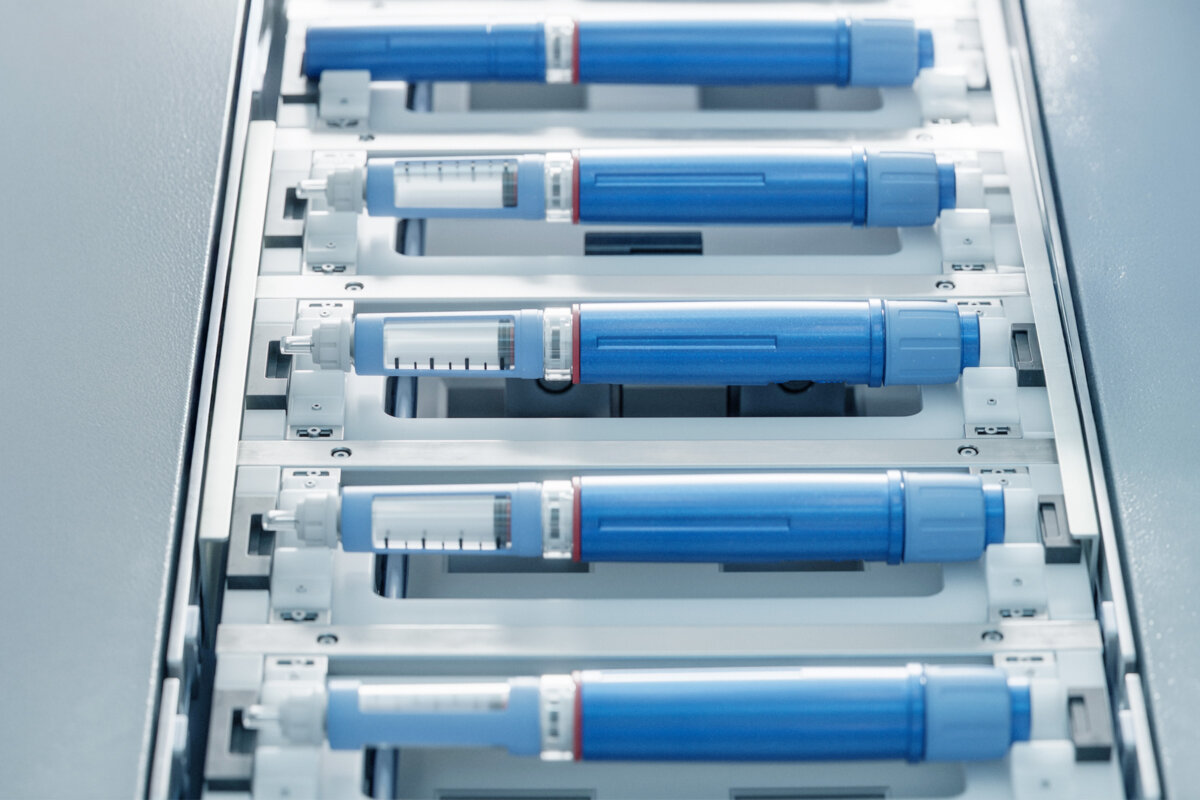
About one in six Americans is currently using glucagon-like peptide-1 (GLP-1) drugs, according to a new survey.
Eleven percent of Americans are using the weight loss drugs, and another four percent have used them in the past, according to a survey from Gallup.
Three percent of respondents reported in 2024, and eight percent said in 2025, that they were currently taking GLP-1 drugs.
The drugs were first approved in the 2000s to combat diabetes.
GLP-1 is a peptide, or hormone, that is naturally produced in the small intestine.
Federal regulators approved the first GLP-1 drug for weight loss in 2021, and additional options have been cleared since then.
Most GLP-1 users are taking brand name prescription GLP-1 medications such as Ozempic, Wegovy, or Zepbound, after obtaining them from a pharmacy, according to the Gallup survey.
Ninety-one percent of respondents told Gallup recently that they are aware of GLP-1 drugs that are intended for weight loss, up from 80 percent in 2024.
The new version of the survey was carried out from May 28 to June 5. The web survey covered 5,065 American adults across all 50 states and the District of Columbia.
There have been other markers in which GLP-1 use has been rising over time. Researchers working with data from Epic Systems, which maintains electronic health records, said in May that GLP-1 prescriptions for American adults skyrocketed from 1,884 per 100,000 patients in the second quarter of 2021 to 8,819 per 100,000 patients in early 2026. And a KFF analysis of government records found in January that use among Medicare recipients jumped considerably in recent years, particularly for Ozempic, as a new Medicare pilot program limits GLP-1 costs to just $50 a month.
Some doctors have praised the drugs, although health care professionals have also highlighted side effects such as nausea and difficulty controlling appetite after halting use of them.
Obesity Rate Drops
Many Americans have struggled to stay fit in the modern day, with 40 percent of adults aged 20 and older and 21 percent of people aged 2 to 19 being obese, according to government statistics released in February.
Gallup also recorded a 40 percent obesity rate in 2022, but the rate has ticked down since then, according to body mass index reported by survey respondents.
The rate was 38.4 percent in 2023, 37.5 percent in 2024, 37 percent in 2025, and 36.4 percent in the latest survey from the organization.
The percentage of respondents who said that a doctor or nurse has ever told them they have diabetes, though, has remained about the same, and was at 13.5 percent in the survey.