



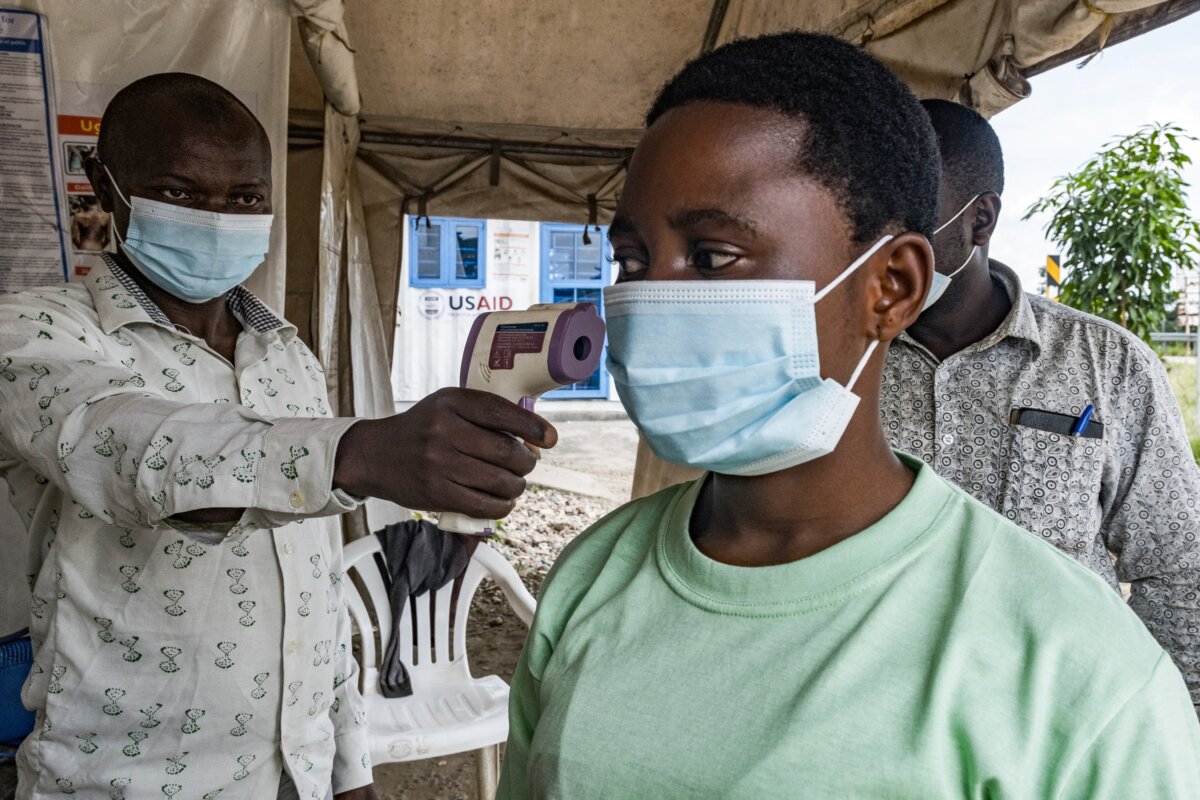
Travel restrictions imposed by the U.S. government over fears that Ebola could enter the United States are unnecessary and counterproductive, African officials said on May 19.
The Africa Centres for Disease Control and Prevention stated that “travel restrictions and border closures are not the solution to outbreaks” and called on countries to refrain from imposing such restrictions.
“The world must avoid repeating the mistakes of previous health emergencies, where fear-driven measures caused major economic damage without delivering proportionate public health benefits,” the public health agency stated. “Africa needs solidarity, not stigma. Africa needs investment, not isolation. Africa needs partnerships that strengthen both economies and health systems. No one is safe until Africa is safe.”
The U.S. government has issued a do-not-travel advisory for the Democratic Republic of Congo, where a new Ebola outbreak began in recent weeks. On May 18, the U.S. government stated that it would stop letting people without U.S. passports who had recently been to Congo, South Sudan, or Uganda enter the United States.
Acting U.S. Centers for Disease Control and Prevention (CDC) Director Dr. Jay Bhattacharya said in an order that the step was taken because of “the serious risk posed by the introduction of Ebola disease into the United States by covered aliens.”
An American working in Congo tested positive for Ebola, the CDC stated on May 18. That person and other Americans who were exposed to Ebola were being flown to Germany for treatment and care.
U.S. President Donald Trump told reporters at an unrelated event on May 18 that he was concerned about Ebola.
Heidi Overton, deputy director of the White House Domestic Policy Council, said during the event that there are “no cases of Ebola in America.”
“We want to keep it that way, and we are doing everything we can to support Americans in the region,” she said.
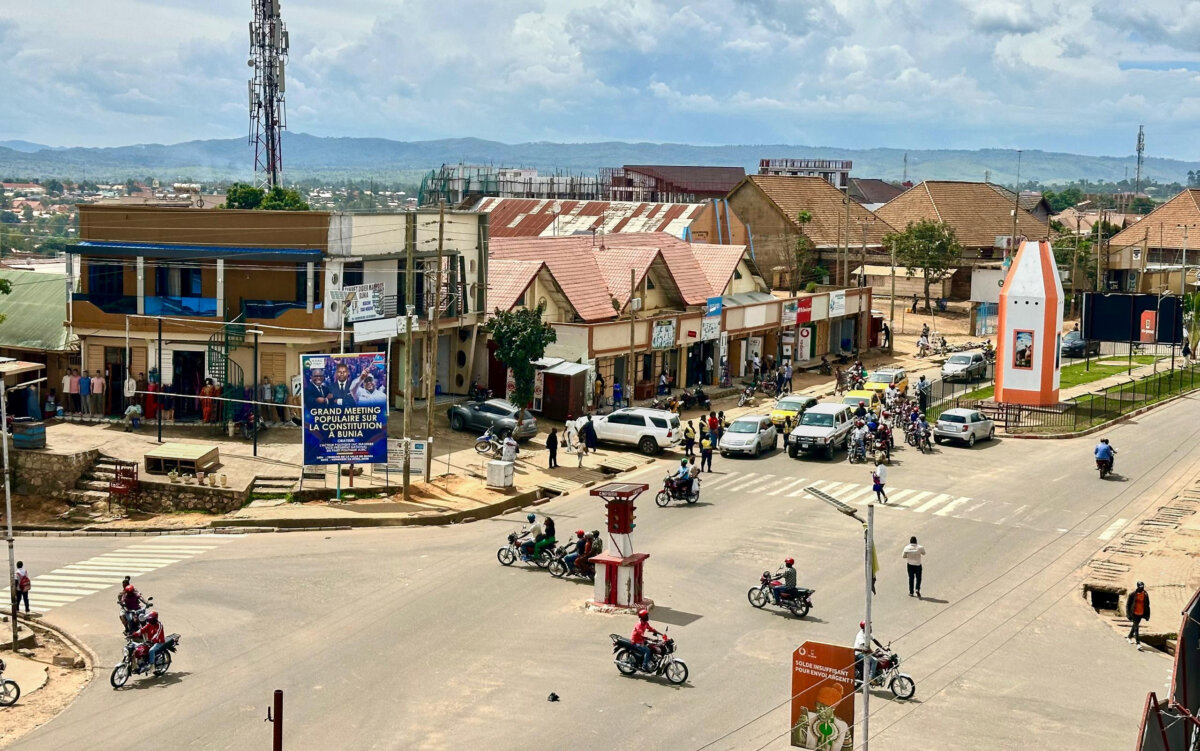
Congolese authorities said on May 19 that there are more than 130 suspected deaths and more than 500 suspected cases linked to the outbreak.
The organization stated that international officials should improve communication on risk, invest more in surveillance and infection prevention, accelerate the development of vaccines, and expand laboratory testing for the Bundibugyo virus.
The Bundibugyo virus is responsible for the outbreak, African officials have said. There is no vaccine or specific treatment for the virus.
Case fatality rates from past outbreaks caused by the virus have ranged from 30 percent to 50 percent, according to the World Health Organization.
“In the absence of a vaccine, there are many other measures countries can take to stop the spread of the virus and save lives, even without medical countermeasures, including risk communication and community engagement,” Tedros Adhanom Ghebreyesus, director-general of the organization, told the 79th World Health Assembly in Geneva on May 19.