



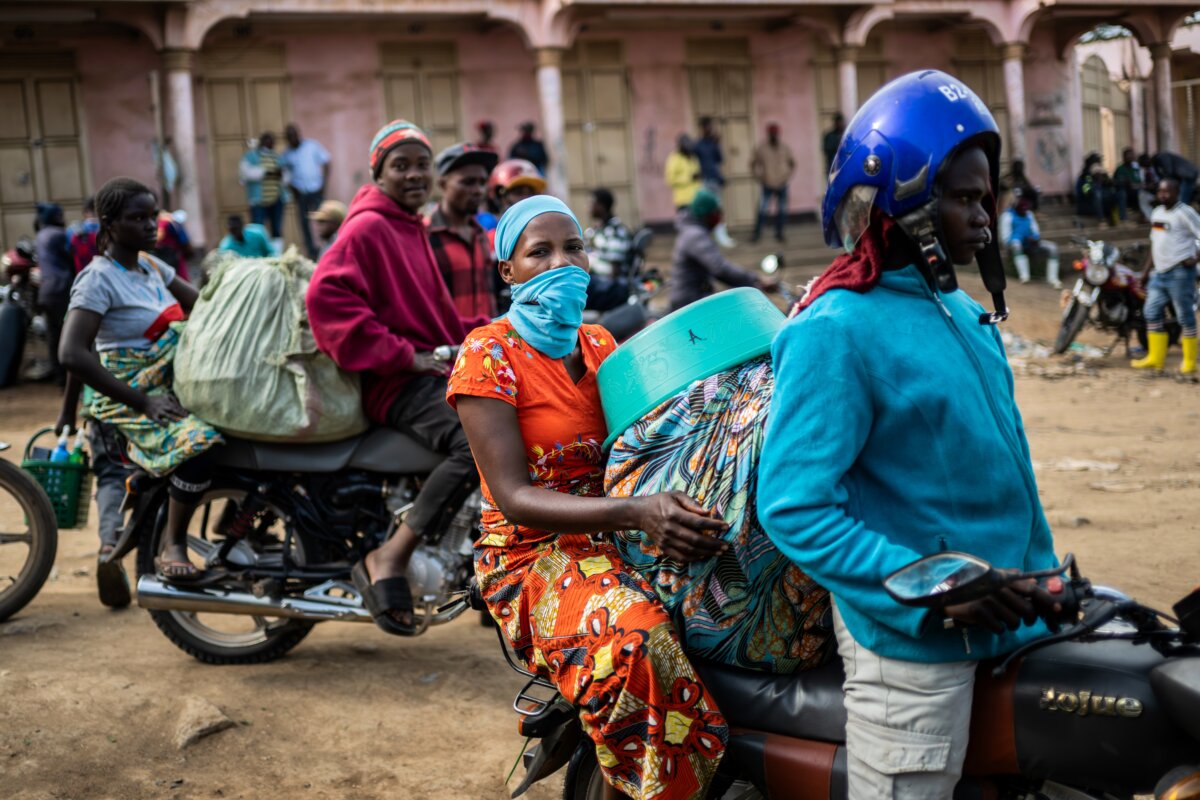
Ebola deaths in Congo have risen to 101, Congo’s National Institute of Public Health (INSP) said in its June 8 Ebola situation report.
It added that as of June 7, the outbreak had reached 550 confirmed cases and 101 confirmed deaths. The report also said armed groups operating in parts of Ituri Province were restricting humanitarian access and complicating response efforts.
The outbreak, caused by the Bundibugyo strain of the Ebola virus, was officially declared by Congo’s Ministry of Health on May 15.
Health officials reported 35 new confirmed cases and 10 deaths on June 7 alone, with most new infections recorded in Ituri Province and several additional cases reported in neighboring North Kivu Province.
The latest figures show that Ituri remains the center of the outbreak, accounting for 518 of the country’s 550 confirmed cases. Health officials said seven Ebola patients recovered and were discharged from Nyankunde General Hospital, bringing the total number of recoveries to 19.
Two new Ebola treatment centers also began operations in Bunia and Rwampara.
The INSP reported that the weekly trend in confirmed infections remains upward, despite a recent slight decline in reported cases. Officials cautioned that the apparent slowdown could reflect delays in laboratory reporting rather than a genuine reduction in transmission.
The report showed that Bunia, Rwampara, and Mongbwalu remain among the hardest-hit health zones. Bunia has recorded 152 confirmed cases, while Rwampara has reported 111 and Mongbwalu 98.
North Kivu has reported fewer overall infections but a significantly higher fatality rate. The province has recorded 29 confirmed cases and 20 deaths, resulting in a case fatality rate of 69 percent. South Kivu has reported three confirmed cases and one death.
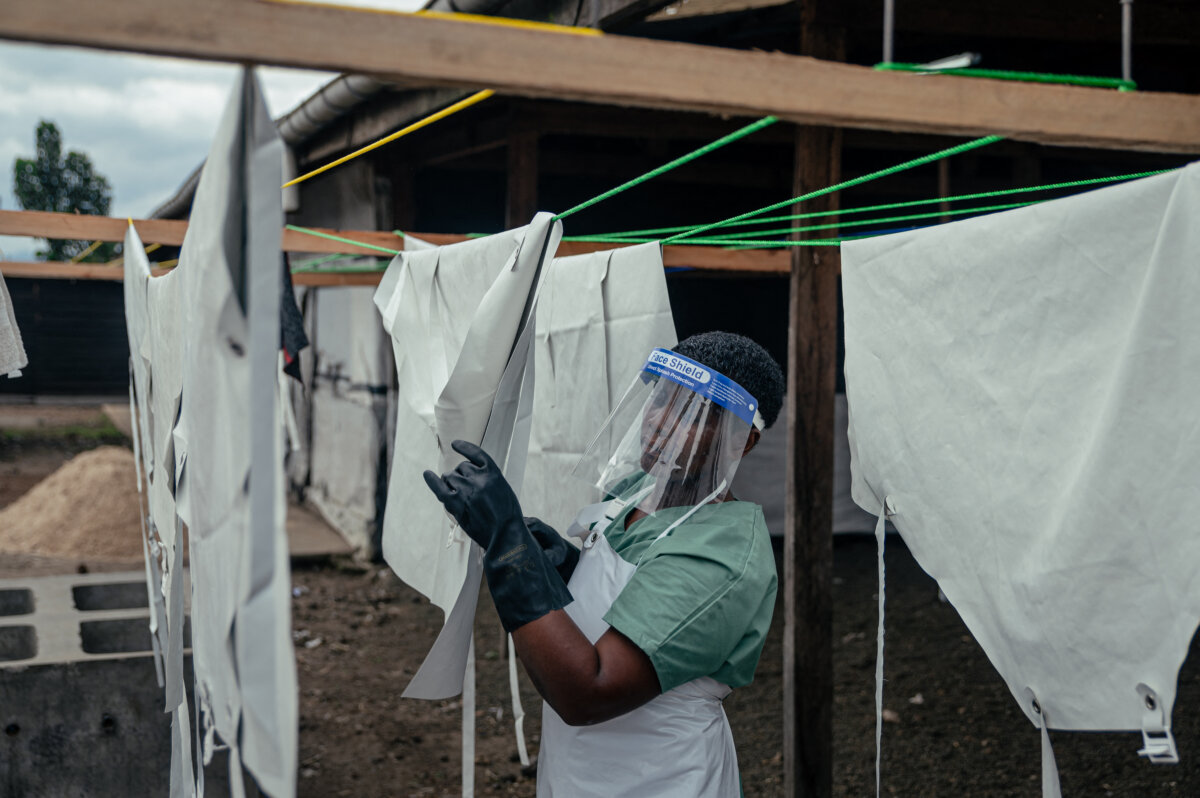
Health authorities also reported 94 suspected cases on June 7 after investigating 413 of 450 alerts received across the three affected provinces.
Challenges
Health officials said one of the most pressing challenges remains contact tracing.
The report listed weak contact tracing, shortages of essential medicines, limited infection-control supplies in North Kivu, and resistance to post-mortem testing as among the main obstacles facing response teams.
Laboratory capacity also remains strained. Health officials reported that 183 Ebola test results were awaiting processing in North Kivu because of shortages of laboratory reagents.
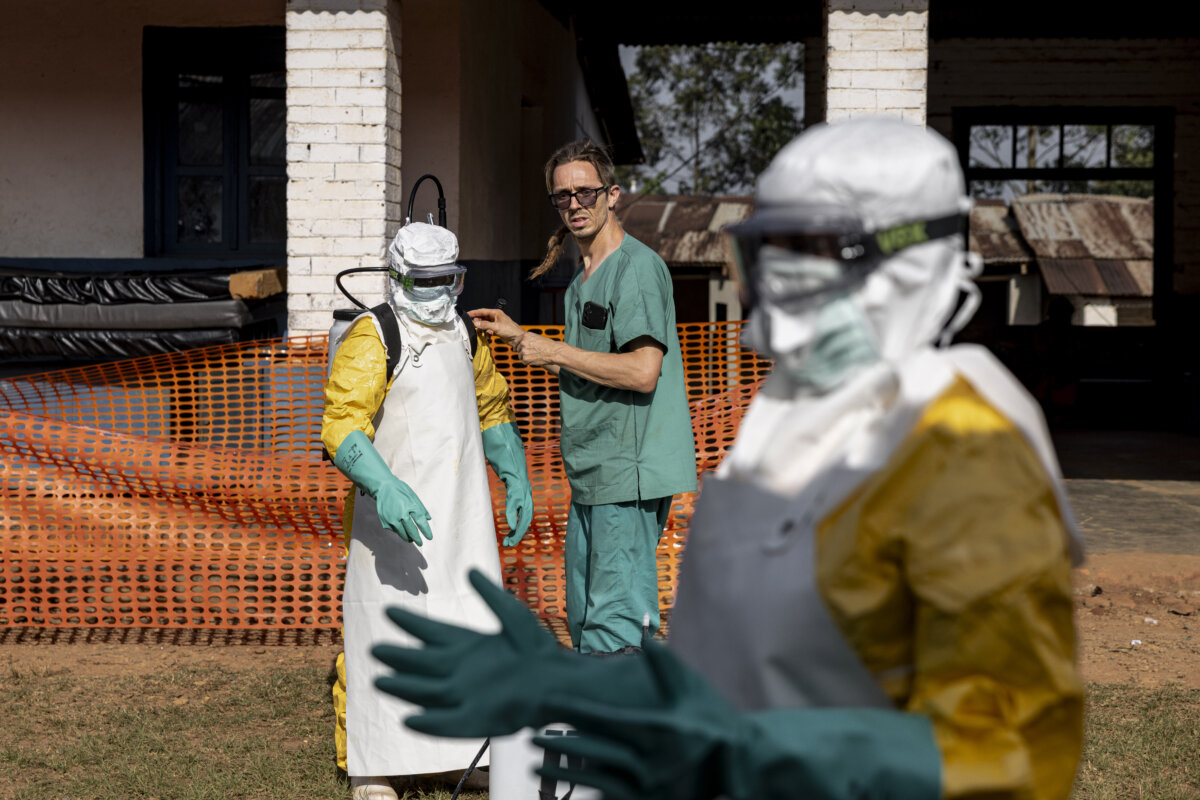
Violence and insecurity continue to complicate efforts to contain the outbreak.
The INSP reported that a team carrying out safe burial activities was attacked by unidentified individuals at a cemetery in Nyamurongo. Two response workers were seriously injured, and two vehicles were damaged.
The agency said the overall security situation in Bunia remained relatively calm but added that armed groups operating in the territories of Djugu, Irumu, and Mambasa continue to limit humanitarian access in several affected or high-risk health zones.
The report warned that inadequate treatment capacity, weak surveillance, and funding shortages could slow containment efforts.
Officials estimated that the response faces a funding gap of approximately $21.5 million.
Regional Spread
The outbreak has also spread beyond Congo’s borders.
The World Health Organization (WHO) said in a disease outbreak update published on June 8 that the Bundibugyo virus disease outbreak “continues to evolve rapidly, with increasing case numbers, geographic spread, and cross-border transmission to Uganda.”
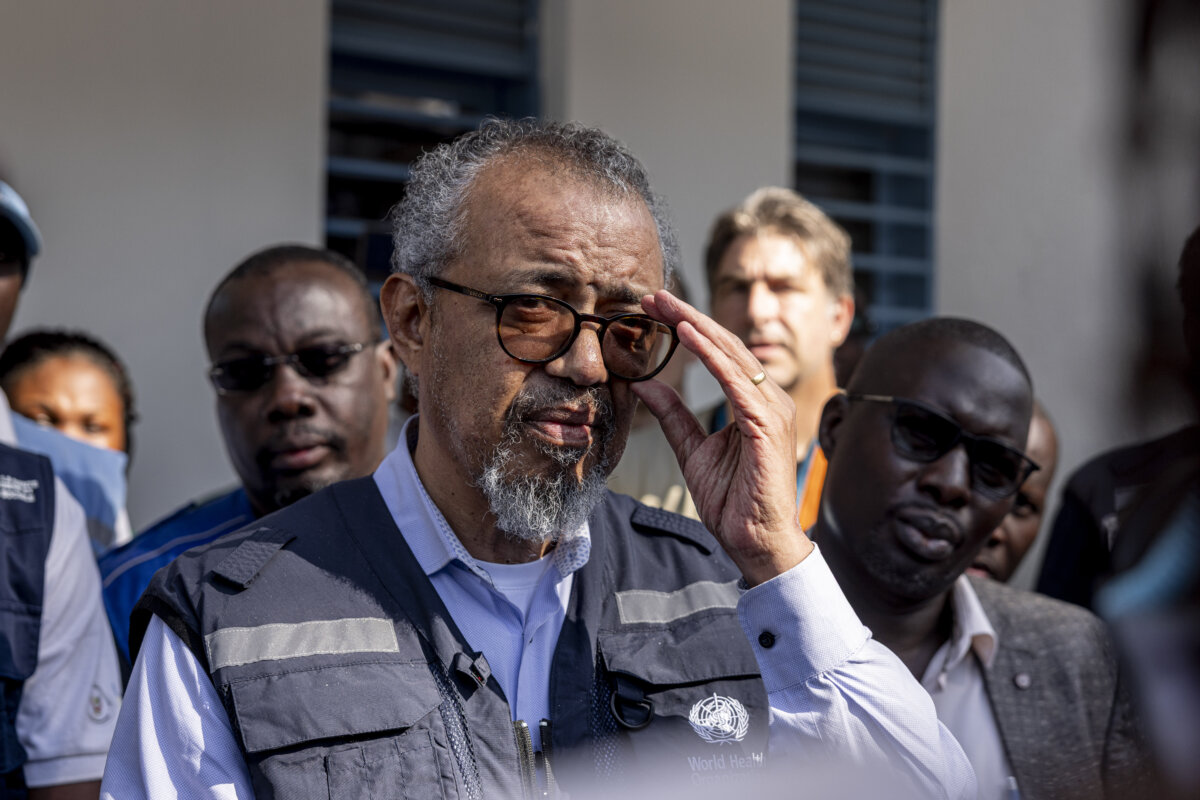
WHO Director-General Tedros Adhanom Ghebreyesus said on June 8 that Uganda’s border screening and surveillance systems had helped identify Ebola cases linked to transmission in Congo.
“I am in Uganda, where the government has mounted a prompt and capable response to the outbreak of Ebola,” Tedros said in a post on X.
Tedros said that 14 of Uganda’s 19 confirmed Ebola cases involved people who entered the country from Congo, while five cases involved Ugandan nationals. He added that two people from Congo had died in Uganda.
African and international health agencies are expanding preparations as the outbreak grows.
The Africa Centres for Disease Control and Prevention (Africa CDC) and the WHO announced on June 5 the launch of a joint continental preparedness and response plan to strengthen surveillance, testing, treatment, and community engagement across Africa.
The six-month plan seeks to raise $518 million to support countries preparing for and responding to Ebola outbreaks.
“The only way to beat this outbreak is through close partnership, working together under the leadership of the affected countries in one coordinated effort,” Tedros said in a June 5 statement announcing the plan.
Africa CDC Director-General Dr. Jean Kaseya said the response required urgent action.
“Ebola moves fast. Africa must move faster,” Kaseya said on June 5. “This joint plan gives the continent a clear path to act with speed and unity.”