




The World Health Organization (WHO) said on May 3 that a suspected outbreak of hantavirus has left three dead on a cruise ship in the Atlantic Ocean.
About 150 people were still stuck onboard the small cruise vessel as three people, a Dutch couple and a German national, died amid the outbreak. Others fell ill, including a Briton who left the vessel and was being treated in South Africa, authorities said.
WHO Says 3 Dead, 3 Sick
The WHO said in a statement that it is “aware of and supporting a public health event involving a cruise vessel sailing in the Atlantic Ocean.”
“To date, one case of hantavirus infection has been laboratory confirmed, and there are five additional suspected cases,” the statement reads. “Of the six affected individuals, three have died and one is currently in intensive care in South Africa.”
The U.N. health body stated that the risk to the wider public was low and that there was no need for panic or travel restrictions.
The suspected outbreak occurred on the Netherlands-flagged MV Hondius, which had departed Argentina several weeks ago. The company operating the vessel stated that it was handling a “serious medical situation” on board.
“We are in close contact with those directly affected and their families and are providing support where possible,” the company, Oceanwide Expeditions, said in a statement. “The health and safety of all passengers and crew is our highest priority.”
What Is Hantavirus?
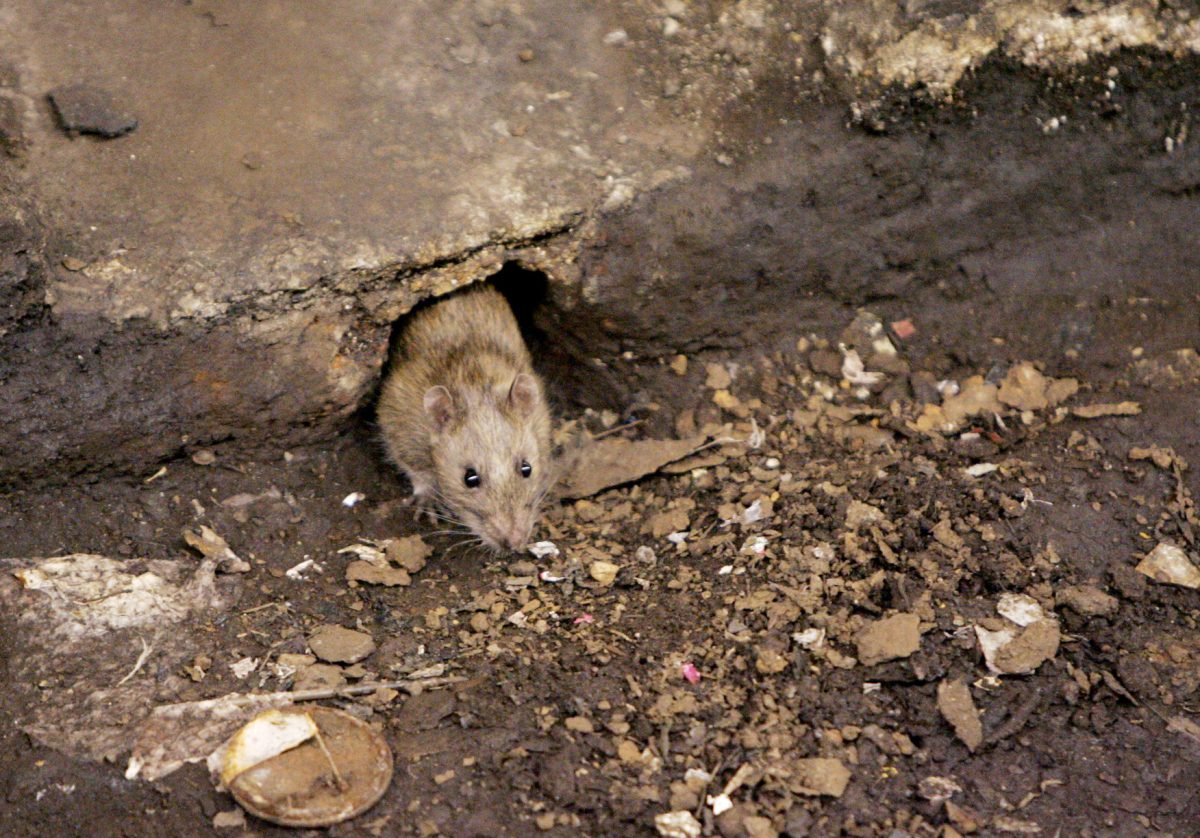
Orthohantaviruses, commonly called hantaviruses, are naturally found in rodents and can cause severe disease in humans, according to the Centers for Disease Control and Prevention (CDC). Spread primarily by rodents, they can cause hantavirus pulmonary syndrome or hemorrhagic fever with renal syndrome, the agency stated.
Generally, people are infected with the virus when they come into contact with rats or mice, specifically when exposed to droppings, urine, or saliva, the CDC stated on its website. In rare cases, it can spread through a scratch or a bite.
Within the United States, the virus is most commonly spread via the deer mouse.
People are typically exposed to hantavirus around their homes, cabins, or sheds, especially when cleaning out enclosed spaces with ventilation or accessing areas where there are mouse droppings, Nevada state health officials said.
The CDC began tracking the virus in the wake of a 1993 outbreak in the Four Corners region—where Arizona, Colorado, New Mexico, and Utah meet.
Virus Rarely Spreads
In its May 3 statement, the WHO noted that, in “rare” instances, the “hantavirus may spread between people, and can lead to severe respiratory illness and requires careful patient monitoring, support, and response.”
In 2020, the National Library of Medicine published a report of a strain of Hantavirus known as the Andes Virus (ANDV) or Andes strain that has shown signs of person-to-person transmission.
“Humans usually become infected with hantaviruses through inhalation of aerosolized excreta produced by infected rodents. ANDV is the unique hantavirus capable of being transmitted from person-to-person,” the report reads. “Infection by this route takes place during the early prodromal phase, and the incubation period ranges from 9 to 40 days.”
However, a separate article published by the National Library of Medicine in October 2022 states that there have been reports of person-to-person transmission of hantavirus in Argentina and Chile but that the “balance of the evidence does not support the claim of human-to-human transmission” of the Andes strain of hantavirus.
The CDC stated that diagnosing a hantavirus case in a person who has been infected fewer than three days has proven to be difficult.
“If the initial test is done before the virus can be found, repeat testing is often done 72 hours after symptom start,” the agency stated. “Early symptoms such as fever, headache, muscle aches, nausea, and fatigue are easily confused with influenza.”
Signs and Symptoms
Hantavirus can cause two potentially deadly diseases: hantavirus pulmonary syndrome and hemorrhagic fever with renal syndrome, the CDC website states.
The pulmonary syndrome is described by the agency as one that is “severe and potentially deadly” that occurs between one and eight weeks after contact with a rodent. Warning signs include “flu-like symptoms and [that it] progresses rapidly to more severe disease,” the website states.
Earlier symptoms include fatigue, fever, and muscle aches, which occur mainly in the thighs, back, and shoulders, according to the CDC. About half of those infected can experience headaches, dizziness, chills, nausea, vomiting, diarrhea, and abdominal pain.
Between four and 10 days after the initial phase of the disease, the later stages of hantavirus pulmonary syndrome can appear. They include coughing, shortness of breath, tightness in the chest, and lungs filling with fluid.
“Thirty-eight percent of people who develop respiratory symptoms may die from the disease,” the CDC stated.
Symptoms of hemorrhagic fever with renal syndrome, which affects the kidneys, tend to develop one to two weeks after exposure, the agency stated. In some cases, symptoms can take as long as eight weeks to appear.
Intense headaches, back and abdominal pain, blurred vision, nausea, and fever or chills are symptoms of the condition, according to the CDC.
“People may have flushing of the face, inflammation or redness of the eyes, or a rash,” the agency stated.
The CDC stated that later symptoms include low blood pressure, lack of blood flow, internal bleeding, and acute kidney failure. It did not provide a rough timeframe for when those symptoms can occur.
How to Avoid Hantavirus
To mitigate contracting hantavirus, people are advised to stay away from rodents or avoid disturbing their nesting areas, Nevada health officials said. People also should not touch live or dead rodents with their bare hands, and use gloves instead, while taking precautions to not touch the animals.
It is also advised to keep rodents away from dwellings by sealing entryways and using traps or bait.
People cleaning rodent-infested areas or areas with a significant amount of droppings are advised to avoid creating dust while using masks, gloves, and protective clothing, according to health officials.
Reuters contributed to this report.