




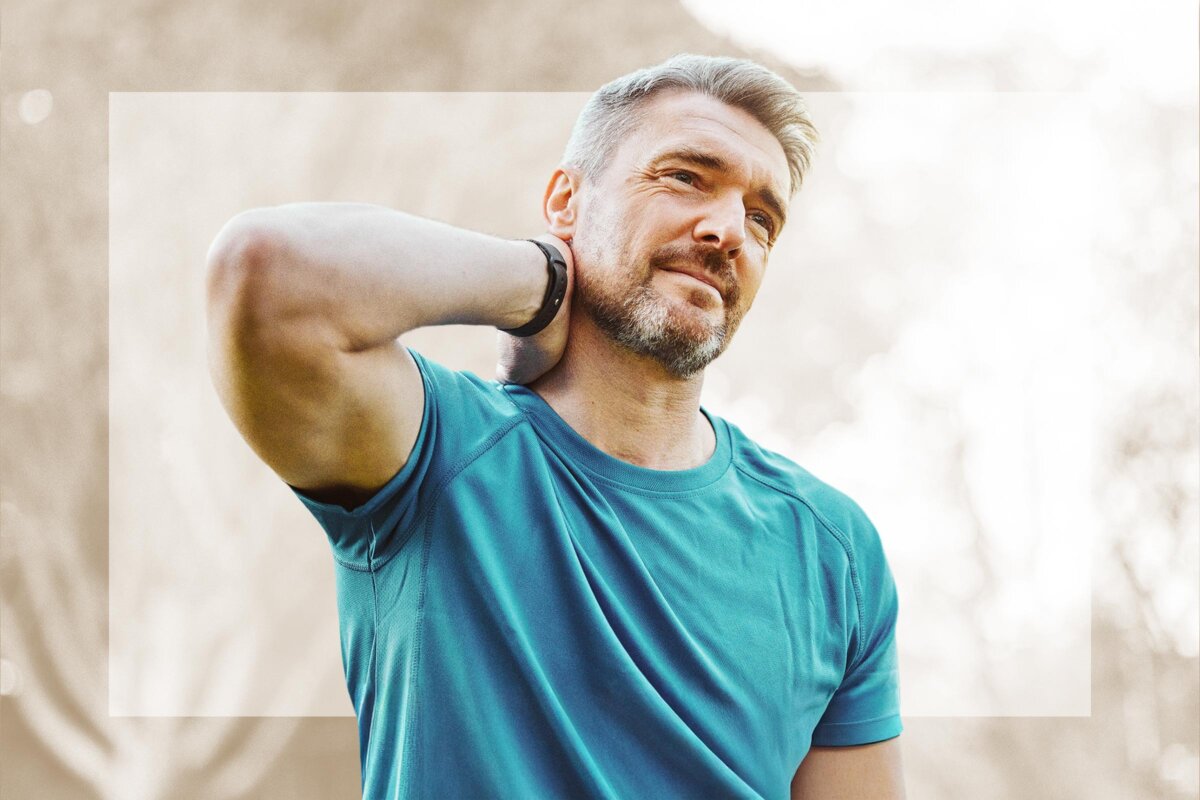
As a child, Kuo Yu-cheng, director of the Contemporary Traditional Chinese Medicine (TCM) Clinic, had a remarkable gift for music, effortlessly memorizing any melody after a single listen. However, one day, while playfully causing trouble at school, he struck the back of his head on a doorframe, and from that moment on, his ability to recall music vanished.
“That experience changed my life,” Kuo recalled. “It made me realize how profoundly head injuries can affect the brain and memory.”
Through years of practice, Kuo has observed that many children with cerebral palsy have a history of head trauma. The consequences, he noted, can be even more severe in older adults. “Taiwan’s renowned cardiac surgeon Dr. Lin Fang-yu developed dementia after suffering a head injury from a fall,” he said.
How Head Trauma Triggers Cognitive Decline
Even when symptoms don’t appear immediately, head trauma can cause long-term neurological damage. Kuo said that such injuries may impair cerebral blood flow—a problem that worsens with age as cardiac function declines—leading to reduced oxygen delivery to brain tissue. Chronic oxygen deficiency accelerates neuronal loss, promoting memory decline and increasing dementia risk.
In TCM, the head is the meeting place of all “yang” meridians, where vital energy or “qi” and blood converge to nourish the brain and sensory organs. A head injury, Kuo said, disrupts this energetic flow—stagnating qi and blood, blocking meridians, and cutting off nourishment to the “sea of marrow” or the brain. Over time, this energetic stagnation manifests as cognitive decline, dizziness, poor concentration, and insomnia.
A growing body of research supports Kuo’s observations.
A 2021 study revealed that former Scottish professional soccer players face a 3.66-fold higher risk of developing neurodegenerative diseases compared with the general population. Defenders, who frequently head the ball, are at a 4.98 times greater risk, while goalkeepers—with fewer head impacts—experience a 1.83 times higher risk. Players with careers exceeding 15 years are particularly vulnerable, showing a 5.2-fold higher likelihood of such conditions.
Massage for Recovery From Old Head Injuries
Throughout life, many people experience minor head bumps or injuries to varying degrees. According to Kuo, regularly massaging the scalp can aid the recovery of old head injuries by improving blood circulation and relieving blockages. The technique involves identifying areas on the head that may have sustained past impacts—such as spots that feel raised, indented, or tender to the touch. These areas often indicate underlying tension or stagnation. Once identified, he recommends massaging these points at least three times a day for about five minutes per session.
He also recommends using gentle, hands-only massage techniques and avoiding tools, as the scalp’s thin, delicate muscles are susceptible to injury. Apply light pressure and extend the massage duration to enhance blood circulation. A key indicator of improved head circulation is a brighter, clearer sensation in the eyes.
Massaging the head and neck can improve lymphatic circulation, promoting brain detoxification and repair. Research shows that cerebrospinal fluid, essential for detoxifying the brain, drains into the neck’s lymphatic system; thus, regular head and neck massages can enhance the flow of this fluid and help with optimal brain health.
Insomnia is often the most apparent early warning sign of weakening brain function. Other symptoms of brain oxygen deficiency may include vision problems, tinnitus, or headaches. Regular head massages help alleviate these symptoms and support overall brain vitality.
Nourishing the Brain Through Food
The brain requires a steady supply of glucose and oxygen to function optimally. Dietary habits that support stable energy and circulation are therefore vital for brain health and dementia prevention.
Kuo offers several key dietary suggestions:
- Eat Warm, Cooked Foods: Warm meals help maintain steady circulation and direct more blood flow to the brain, rather than diverting it to warm the digestive system after cold foods.
- Eat Three Balanced Meals a Day: Eating three meals daily ensures the brain receives adequate nutrition. Prolonged intermittent fasting can lead to low blood sugar and starve brain cells, while frequent small meals may divert blood flow away from the brain, potentially compromising its blood supply.
- Include Staple Foods: Some people worry about raising blood sugar and avoid staple foods such as rice, but glucose is the brain’s primary source of energy.
Reconnecting With Nature
Kuo also encourages people to reconnect with nature to restore the body’s self-healing capacity. Practices like “earthing” or “grounding”—walking barefoot on soil or grass—help balance the body’s electrical potential, reducing inflammation and stress.
Some studies of earthing have reported shifts in autonomic balance toward parasympathetic dominance, improvements in sleep quality, and reductions in pain and biomarkers of inflammation.
“Standing under tall trees such as pine or cypress can harmonize the body’s energy,” Kuo said. “When our meridians flow smoothly, the brain becomes calm and clear.”