




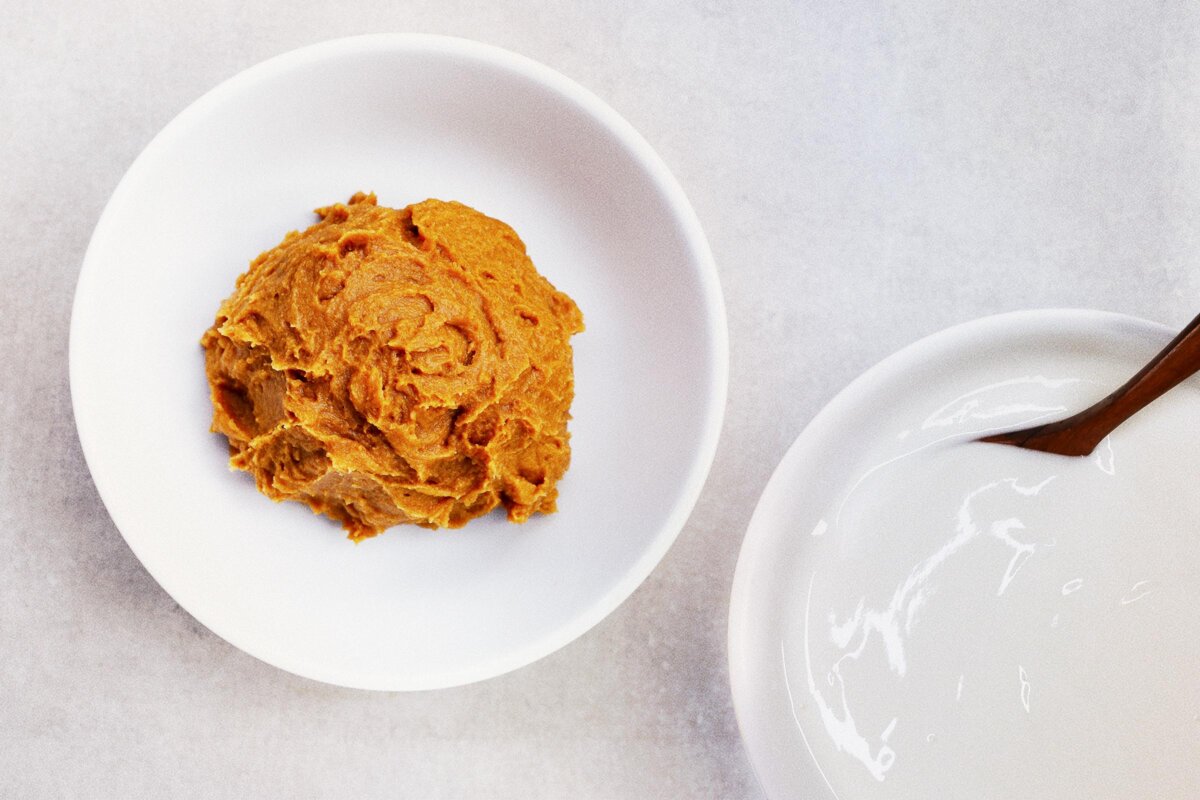
What if two simple fermented foods—one ancient, one familiar—could help guard against cancer, slow aging, and strengthen your entire digestive ecosystem? Across Asia and Europe, long-lived cultures have embraced miso and yogurt for centuries. Now, a growing body of research reveals why this fermented longevity duo is far more than a culinary tradition: Their unique probiotics, antioxidants, and fermentation metabolites offer measurable protection for long-term health.
4 Major Benefits of Miso
Miso is one of the favorite foods of the long-lived Japanese people. Made primarily from soybeans, combined with rice koji and salt, and fermented for a long time, the proteins are broken down into easily absorbed amino acids, providing numerous health benefits.
1. Anti-Aging Benefits
Miso is rich in antioxidant peptides and amino acids that neutralize free radicals and slow cellular wear and tear.
A BMJ study of more than 90,000 adults found that higher intake of fermented soy products was linked to a 10 percent reduction in overall mortality, suggesting that miso’s anti-aging effects may extend to real-world longevity.
2. Reduces Cancer Risk
Fermented soy foods have shown promising anti-tumor effects in both population studies and laboratory research.
A major JAMA study found that breast cancer patients who ate more soy foods—including miso—had significantly lower recurrence and mortality. Isoflavones and fermentation metabolites may help regulate hormone signaling, reduce inflammation, and support healthier immune surveillance.
3. Nourishes and Shields the Gut
The rice koji mold (Aspergillus oryzae) in miso, along with its fermentation byproducts, helps improve digestion and intestinal absorption while maintaining a balanced gut microbiome, promoting smooth bowel movements. A balanced gut is the cornerstone of immune resilience, metabolism, mood regulation, and whole-body vitality.
4. Balances Hormones, Strengthens Bones
For menopausal women, falling estrogen levels raise the risk of osteoporosis and arthritis. Miso delivers a robust defense: rich plant-based protein and bone-building minerals—calcium, magnesium, and potassium. Its natural isoflavones act similarly to the female hormone estrogen, slowing bone loss and helping relieve menopausal symptoms such as hot flashes, night sweats, and palpitations. Because tofu is also high in isoflavones and calcium, adding tofu to miso soup enhances its nutritional benefits.
Tips for Cooking Miso Soup
To preserve miso’s beneficial nutrients and live bacteria, turn off the heat after the soup is fully cooked, then stir in the miso. Prolonged boiling can destroy probiotics and diminish their aroma. When using miso as a glaze for grilled fish or vegetables, brush it on near the end of cooking, just before the food is done.
Be Aware of Salt Content
Although miso soup is a healthy food, it is high in sodium. Excessive salt may burden the stomach lining and even harm the kidneys. People with gastric ulcers, acid reflux, high blood pressure, or kidney disease should choose low-sodium miso or use miso sparingly.
Yogurt: Nourishes Intestines, May Help Prevent Cancer
Yogurt is made by fermenting animal milk—most commonly cow’s milk—with lactic acid bacteria. During the fermentation process, much of the lactose is converted into lactic acid, which can substantially reduce digestive discomfort—that’s why even many people with lactose intolerance can tolerate yogurt.
In ancient China, yogurt was known as “lao.” Sun Simiao, the celebrated Tang-dynasty “King of Medicine,” wrote in “Essential Formulas Worth a Thousand Gold” that lao “tonifies the lungs and benefits the large intestine.” In modern terms, this suggests that yogurt helps nourish the respiratory system and supports healthy gut motility.
The great pharmacopoeia “Compendium of Materia Medica” (“Bencao Gangmu”) also states that lao “moistens dryness, frees the intestines, strengthens the body, and resolves heat-toxins.” It helps clear skin conditions such as boils and acne caused by internal heat.
More than a thousand years ago, our ancestors recognized yogurt’s natural nourishing and healing properties, which align remarkably well with modern scientific findings. Recent research shows that yogurt may help protect against certain intestinal tumors.
A study published in Gut Microbes found that eating two or more servings of yogurt per week can lower the risk of Bifidobacterium-positive colorectal cancer by about 20 percent—although it showed no significant effect on Bifidobacterium-negative tumors. Earlier studies also found that higher yogurt intake is associated with a reduced risk of colorectal adenomas and colorectal cancer.
How to Choose the Right Yogurt
To get the maximum health benefits from yogurt, opt for plain yogurt with no added sugar, emulsifiers, or thickeners. Research shows that the emulsifiers and thickeners commonly added to flavored yogurts can promote gut inflammation and disrupt the environment that supports probiotic growth. Many flavored yogurts on the market are loaded with sugar and various additives, which counteract the health benefits.
If you’re looking to boost your protein intake, opt for true Greek yogurt, which is made by straining out much of the liquid. This differs from “Greek-style” yogurt, which often uses thickeners or cream to imitate the rich texture and may contain less protein and fewer beneficial bacteria.
Power Up Yogurt With Simple Pairings
Transform plain yogurt into a tastier, more powerful health boost with these simple additions:
1. Honey
Honey’s oligosaccharides act as prebiotic fuel for beneficial bacteria—especially Bifidobacterium—helping them flourish. It also delivers extra minerals and vitamins.
A study found that honey enhances probiotic survival through the harsh stomach and intestinal environment, and it found that clover honey provides the strongest protection. In one trial, eating honey-sweetened yogurt twice daily for two weeks increased Bifidobacterium counts in participants’ guts.
2. Fresh Fruit
Blueberries, raspberries, apples, peaches, and similar fruits are loaded with natural prebiotics, such as oligosaccharides, that feed good bacteria, plus vitamin C and potent antioxidants.
3. Walnuts
Walnuts are rich in healthy fats, such as omega-3 fatty acids, which support cardiovascular and brain health and can also enhance flavor.
The Golden Rules for Eating Yogurt
Timing: In addition to choosing the right foods to pair with yogurt, timing affects how well its probiotics work. The best time to eat yogurt is about two hours after a meal, when stomach acid levels are lower and more friendly to beneficial bacteria.
Avoid eating yogurt on an empty stomach, as strong stomach acid can kill the probiotics, and the cold temperature may irritate digestion. From a traditional Chinese medicine perspective, eating cold foods on an empty stomach may deplete the digestive system’s yang qi (warming energy) and weaken digestive function.
Eat Cool: Heating yogurt destroys its live bacterial cultures, so never microwave it. If you prefer it slightly warm, gently heat it in a double boiler to about 104 degrees Fahrenheit.
Both miso and yogurt are fermented foods—miso provides plant-based protein and unique probiotics, and yogurt supplies animal-based protein and different beneficial bacterial strains. For long-term health benefits, aim for 2 to 3 cups of yogurt and two to three bowls of miso soup per week.
People with kidney disease or lactose sensitivity should consult a doctor or dietitian before making these fermented foods a regular part of their diet.