



The Centers for Disease Control and Prevention on Sept. 26 issued a travel warning for Cuba over concern for a virus that is spreading in multiple parts of the world, including the southern part of China.
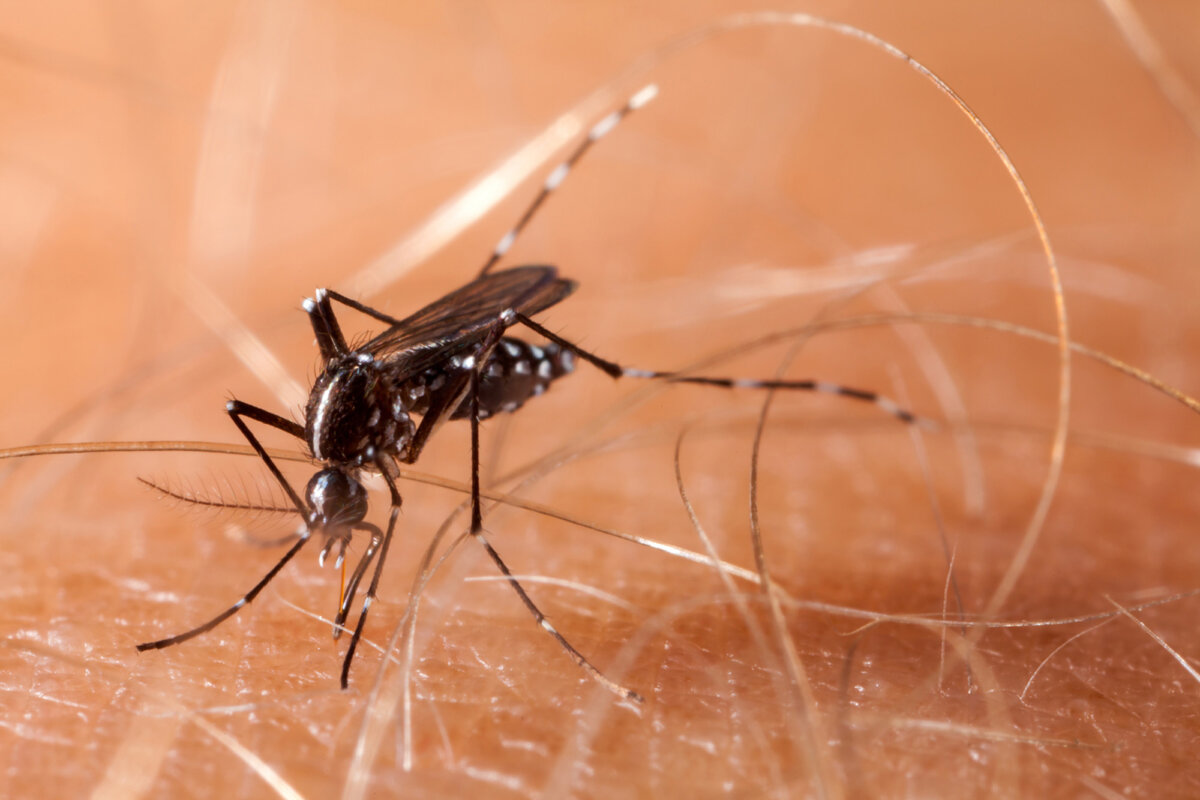
The agency said an outbreak of the chikungunya virus, a mosquito-transmitted disease, is currently active across Cuba. As a result, a Level 2 travel warning was issued by the health agency.
“Vaccination is recommended for travelers who are visiting an area with a chikungunya outbreak,” the CDC said, adding that pregnant women should reconsider their travel plans.
Women who are “infected around the time of delivery can pass the virus to their baby before or during delivery,” said the CDC. “Newborns infected in this way or by a mosquito bite are at risk for severe illness, including poor long-term outcomes.”
The U.S. Naval Hospital in Guantanamo Bay, Cuba, released a statement on Monday that said an active outbreak of chikungunya was confirmed in the Cuban city of Matanzas, including near the U.S. Naval Station Guantanamo Bay.
“While no cases have been reported on base, proximity to affected regions increases the importance of preventive measures,” the statement said.
The CDC also released an updated list of other areas, showing an outbreak of chikungunya in Bangladesh, Kenya, Madagascar, Somalia, and Guangdong Province, China.
Countries that have an elevated risk include Brazil, Colombia, India, Mexico, Nigeria, Pakistan, the Philippines, and Thailand, according to the agency.
Locally transmitted cases of chikungunya have not been reported in the United States or its territories since 2019, according to the CDC. An update issued on Sept. 30 said that in 2025, 88 cases of the virus have been reported nationwide, but all of them are associated with travel.
The last time the virus was transmitted in a U.S. state was in 2015, the CDC said
Earlier this year, cases of chikungunya were spreading rapidly across the southern part of China, while local residents at the time told The Epoch Times that Chinese Communist Party (CCP) officials forced people to quarantine and asked them to pay for their own accommodations.
In August, the CCP moved to impose COVID-19-style controls after the agency designated six provinces and regions in the country as Category I areas for chikungunya outbreak prevention and control. Authorities have adopted mandatory blood draws for PCR testing and have released millions of genetically modified lab mosquitoes weekly in an attempt to reduce the mosquito population.
On Aug. 1, the CDC issued a Level 2 travel alert for mainland China as the chikungunya virus spread across the country, noting that “most cases have been reported in Foshan city” in Guangdong Province.
The chikungunya virus was first identified in people during an outbreak in Tanzania in 1952. Its name is derived from a word in the Makonde language, which means “that which bends up,” due to the severe pain it can cause.
Chikungunya is transmitted by infected mosquitoes and mostly causes mild symptoms. The majority of people who get chikungunya recover without needing medical attention after one to two weeks.
Chikungunya typically produces symptoms including fever, muscle pain, nausea, fatigue, and a rash.
In rare cases, however, it can cause debilitating joint pain that persists for months or even years. Patients who get severely ill often require hospitalization because of the risk of organ damage.
The World Health Organization says severe cases and deaths are rare and occur mostly in babies or elderly people with underlying health conditions.
The Associated Press contributed to this report.