



Some common generic drugs may increase the risk of a baby having autism if taken by the baby’s mother while pregnant, researchers said in a new study.
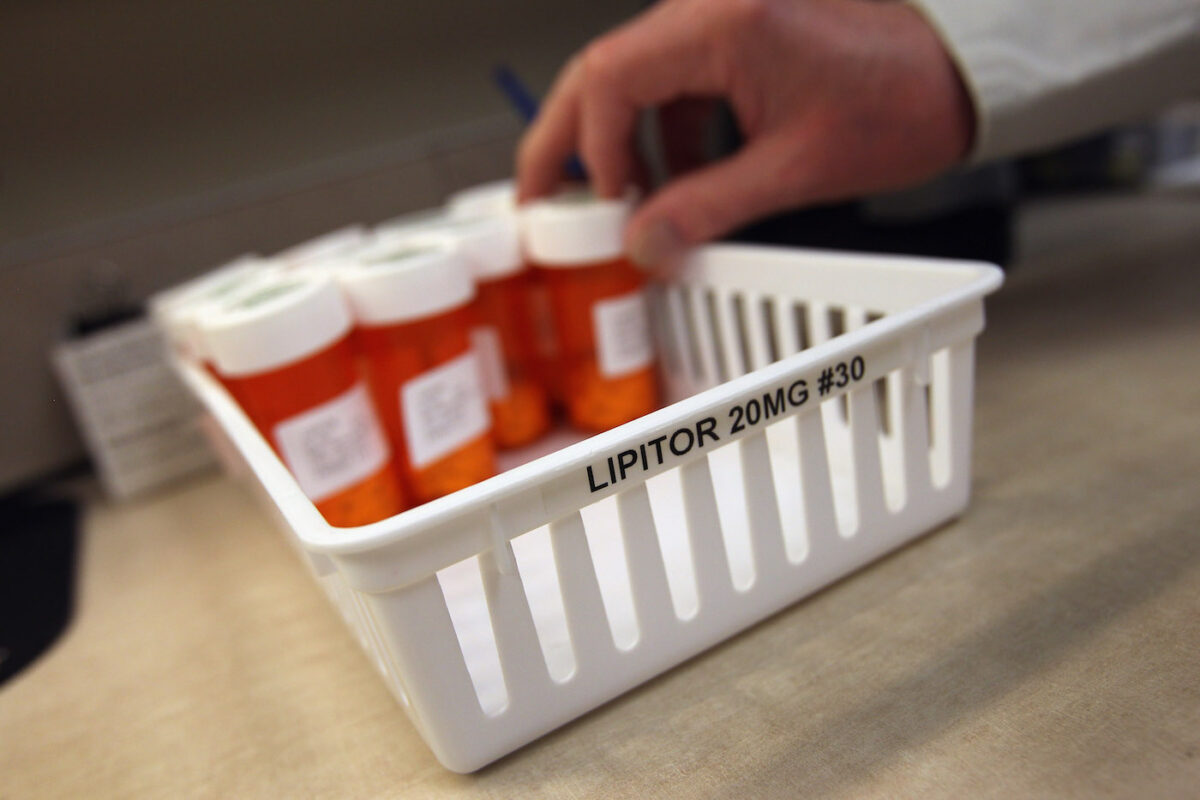
Women who were prescribed the medications, including the statin known as Lipitor, had a 1.47-fold higher risk of having a child diagnosed with autism spectrum disorder (ASD), according to the paper, which was published by the Molecular Psychiatry journal on April 16.
Researchers identified the elevated risk by analyzing data from the health care database Epic Cosmos, focusing on records of women and children for births that occurred between 2014 and 2023. Records for follow-up ran through December 2025.
The study ended up covering 6.1 million kids with linked records for their mothers.
The researchers wanted to see whether being prescribed medications that inhibit sterol biosynthesis, or a pathway involved in the production of sterols such as cholesterol, during pregnancy was associated with increased risk of autism, a disorder that can be characterized by symptoms such as difficulty communicating and dealing with change.
Cholesterol biosynthesis is important for the development of unborn children, and children without proper sterol production can face problems such as Smith-Lemli-Opitz syndrome, the researchers with the University of Nebraska who wrote the new paper said. About three-quarters of individuals with the syndrome are also diagnosed with autism, the prevalence of which has shot up in the United States in recent years.
Previous research has identified a lack of gene variants as a cause of the syndrome in certain people. Patients in one study did not have gene variants but did receive one of two sterol biosynthesis inhibitors—aripiprazole, an antipsychotic, or trazodone, an antidepressant. Additional research found that those and other common medications prevented a key step in cholesterol production.
The researchers accessed the Epic Cosmos database, which includes records from more than 1,880 hospitals and 42,400 clinics. They included all pregnant women and children, if records were available for both and the children had at least one health care visit documented in the database at or after 18 months of life.
The analysis produced records for 8.5 million children born between 2014 and 2023. After exclusions, including children whose mothers were prescribed valproic acid, which is known to cause fetal abnormalities, there were 6.1 million children left.
Nearly 700,000, or 11 percent, of the pregnant mothers of the children were prescribed at least one medication that inhibits sterol biosynthesis. Children born to mothers prescribed at least one of those drugs were more likely to have autism, according to the paper, and children born to mothers prescribed more than one of the drugs were the most likely to have the disorder.

“We propose that the use of [sterol biosynthesis inhibitors] during pregnancy may increase the risk of ASD in offspring through a multistep biochemical cascade,” the researchers wrote.
Funding came from the University of Nebraska Medical Center and the Dorothy B. Davis Foundation. The authors stated that they have no conflicts of interest.
Limitations of the study include the inability to rule out all possible contributing factors, including environmental factors such as pesticide exposure. The authors also stressed that the research applies only to children.
“Our findings do not suggest that these medications are unsafe for adults,” Dr. Karoly Mirnics, dean and director of the University of Nebraska Medical Center Munroe-Meyer Institute, said in a statement. “But they raise important questions about their use during pregnancy, a period when even small biochemical disruptions may have outsized effects on fetal brain development.”
Here’s the full list of the drugs in question:
- Aripiprazole (commonly known as Abilify)
- Atorvastatin (Lipitor)
- Bupropion (Wellbutrin)
- Buspirone (BuSpar)
- Fluoxetine (Prozac)
- Haloperidol (Haldol)
- Metoprolol (Lopressor)
- Nebivolol (Bystolic)
- Pravastatin (Pravachol)
- Propranolol (Inderal)
- Rosuvastatin (Crestor)
- Sertraline (Zoloft)
- Simvastatin (Zocor)
- Trazodone (Desyrel)
The scientists said that, in light of the findings, doctors should avoid prescribing multiple sterol biosynthesis inhibitors to pregnant women, seek alternatives to the drugs, and identify women with genes that make them more prone to reduced sterol production.