



Trump administration officials are proposing a rule that would reduce Medicare spending on hospital services and drugs.
The savings from the changes, if the rule is finalized, would amount to $5.7 billion in 2027 alone, including $1.1 billion for people with Medicare Part B coverage, according to the Centers for Medicare & Medicaid Services (CMS).
“Medicare beneficiaries deserve a program that pays for the right care, in the right setting, at the right time,” CMS Administrator Dr. Mehmet Oz said in a statement.
“This proposed rule focuses squarely on patient affordability by strengthening our utilization management tools, aligning drug payments with actual acquisition costs, and removing site-of-care disparities that have unnecessarily driven up costs for millions of seniors. We are committed to ensuring that Medicare resources are directed toward clinically appropriate, affordable, high-value care for every patient we serve.”
The proposal targets a drug-pricing program that allows hospitals to buy outpatient prescription drugs at discounted prices. In many cases, however, hospitals can bill insurers at rates that exceed those costs, allowing hospitals to keep the difference and resulting in higher costs to patients.
Under the proposed rule, the CMS would change the formula for what hospitals participating in the program can get reimbursed.
The agency estimates that the average older adult with Medicare Part B coverage who is administered one of these drugs would save $800 a year in co-payments. That would work out to a total savings of $1.1 billion for everyone with that coverage.
Another $4.5 billion would be saved in government Medicare expenditures, CMS said.
The American Hospital Association, which represents hospitals, opposed the proposal.
“CMS’s proposed outpatient policies would further reduce resources available, including another insufficient reimbursement update, an excessive productivity adjustment, and additional payment reductions affecting key hospital services,” Ashley Thompson, a senior vice president at the association, said in a statement.
In a policy draft of the rule, the administration gave a specific example of how the current system works for the prostate cancer drug Lupron Depot. Hospitals participating in the program can acquire a dose for roughly $700, but they can receive about $4,000 in Medicare reimbursement for administering it, plus an additional $1,000 from the patient co-payment. More than 130 hospitals reported purchasing the drug through the program.
The proposed rule would cut by roughly 40 percent the amount that hospitals in the discounted drug program could be paid under Medicare programs. If approved, the rule would go into effect at the start of next year.
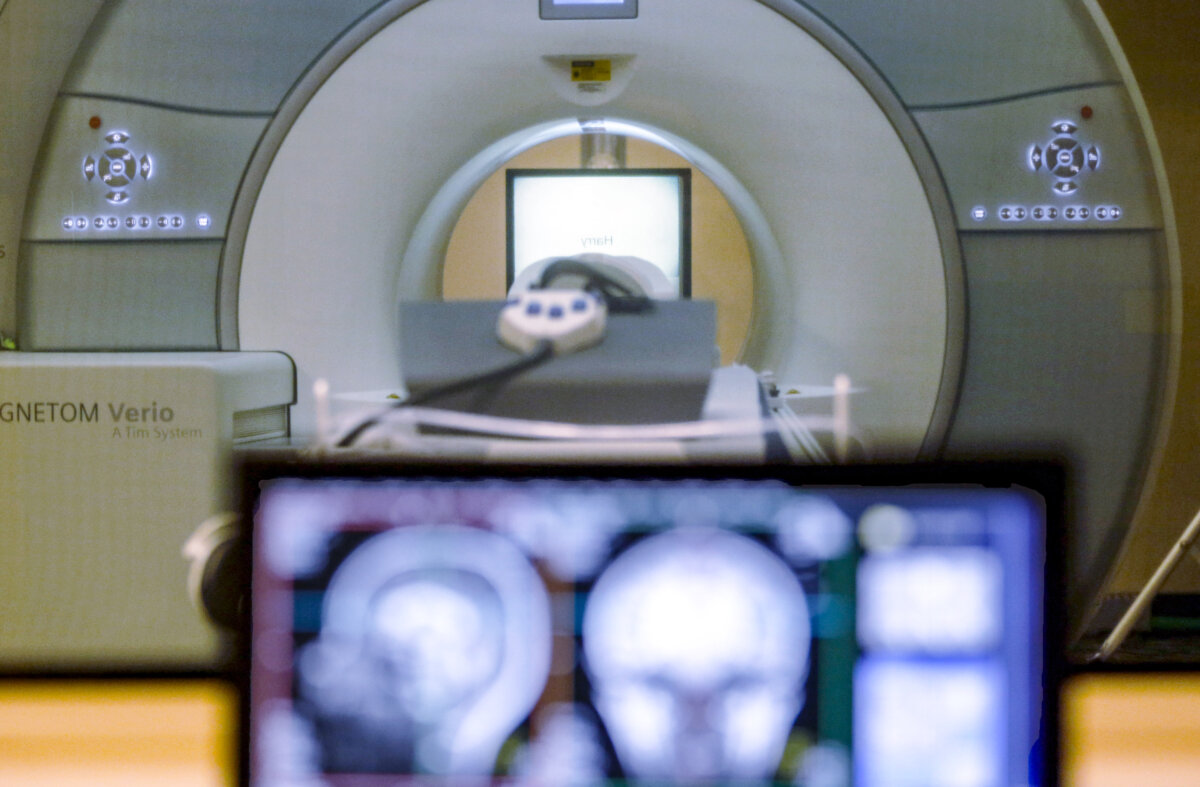
CMS is also floating a change in payments to hospitals for magnetic resonance imaging and other medical scans. Hospitals currently receive higher payments for imaging than physician offices and off-campus provider-based departments.
That update would reduce beneficiary premiums by about $70 million and government spending by about $190 million, officials said.
The Associated Press contributed to this report.