



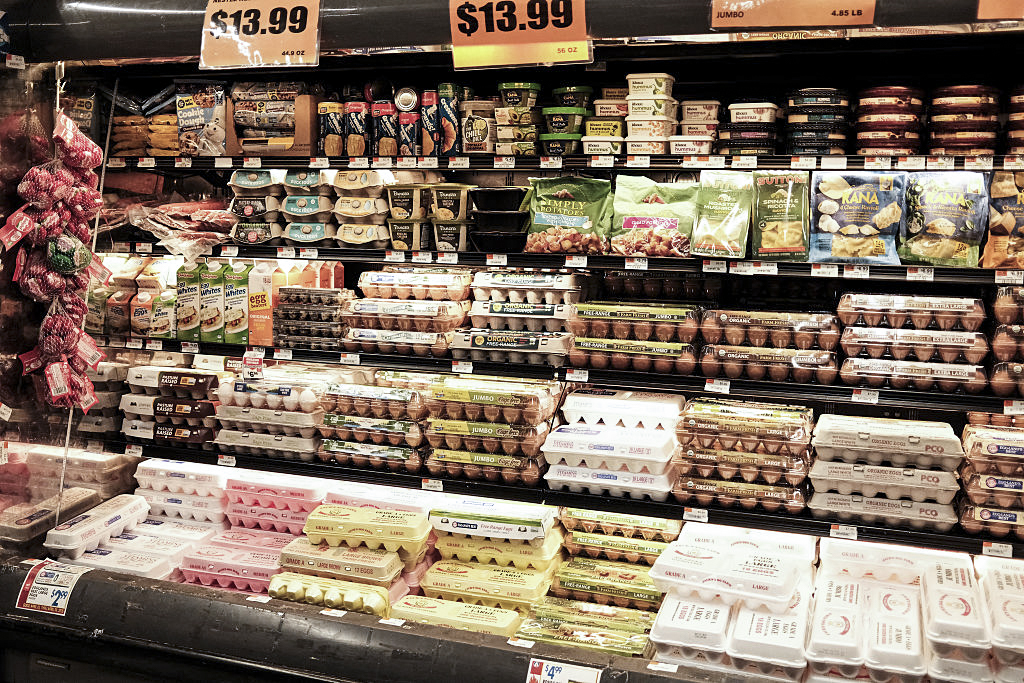
Eggs that were recently recalled have been tied to nearly 100 illnesses, federal officials say.
The outbreak of Salmonella linked to the recalled eggs involves 98 cases and 26 hospitalizations across 17 states, the Centers for Disease Control and Prevention said on July 24.
Most of the cases, 73, have occurred in Texas. Five were recorded in Louisiana, four in Arizona, and two each in Georgia and New Mexico.
California, Colorado, Illinois, Michigan, Missouri, Mississippi, North Carolina, Nevada, New York, Oklahoma, South Carolina, and West Virginia have all reported one case.
Forty of the 44 sick people who provided information on what they ate said they had eaten eggs before becoming ill.
Illnesses began on dates ranging from Nov. 21, 2025, to June 30, 2026.
“The true number of sick people in this outbreak is likely much higher than the number reported, and this outbreak may not be limited to the states with known illnesses,” the CDC said. “This is because many people recover without medical care and are not tested for Salmonella.”
Midwest Poultry Services earlier in July recalled more than 19 million of its eggs, saying there was a risk they were contaminated with Salmonella, bacteria that can be present in foods that are not handled or cooked properly.
Salmonella symptoms typically appear 12 to 72 hours after consuming food contaminated with the bacteria and include diarrhea, fever, and abdominal cramps.
“Midwest Poultry Services identified the issue on its two Texas farms through proactive environmental monitoring practices and root cause analysis,” the company said in a statement when announcing the recall. “Midwest Poultry Services is not distributing fresh eggs produced on its Texas farms at this time.”
The Food and Drug Administration said that laboratory and other data determined that eggs from Midwest Poultry Services are a likely cause of illnesses in the outbreak, and that additional investigation is underway.
Samples collected by the company from farms in Texas tested positive for Salmonella, according to the FDA, and sequencing showed that some of the samples matched the strain of Salmonella that is behind the outbreak.
The eggs were available at Kroger stores in Texas and Louisiana and Brookshire Grocery stores in Texas, Arkansas, Louisiana, and Oklahoma, according to U.S. officials. They were also sold in smaller outlets in those states as well as Mississippi and New Mexico.
Officials recommend that people check their refrigerators and, if they find the recalled eggs, either discard them or return them to the place of purchase for a refund.