



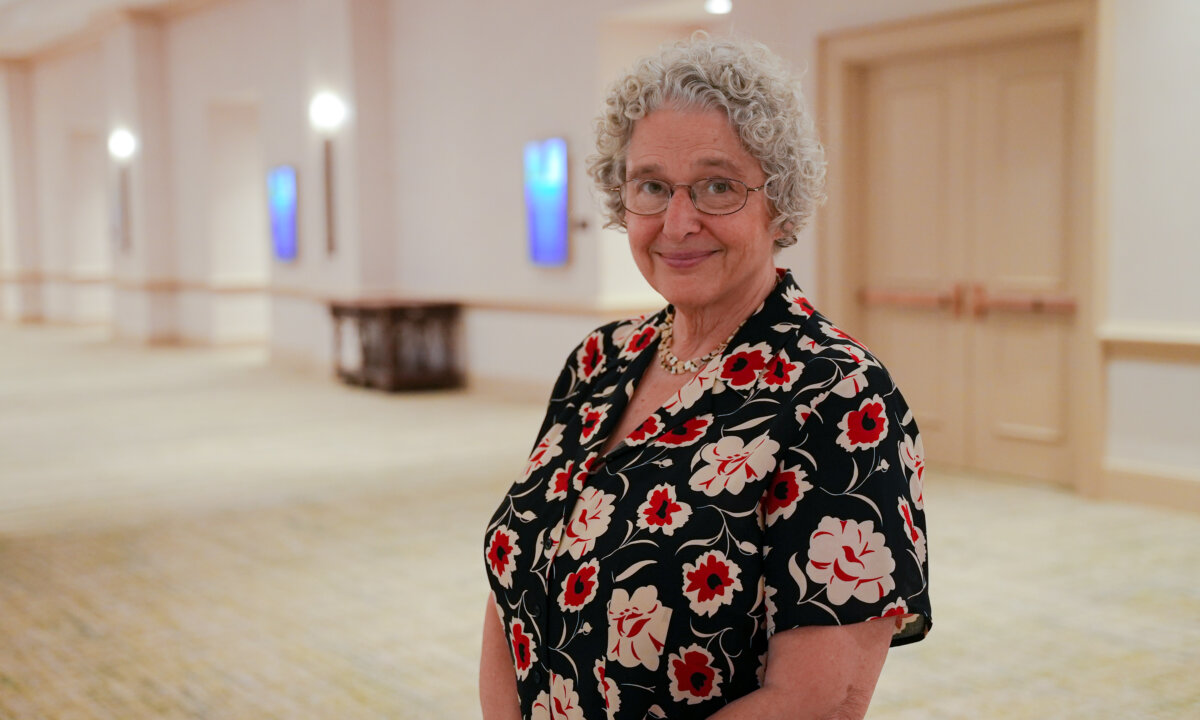
A doctor’s lawsuit against Maine’s medical board can proceed, a federal judge has ruled.
An order from the Maine Board of Licensure in Medicine that Dr. Meryl Nass undergo a psychological evaluation for allegedly spreading misinformation about COVID-19 was “based on no evidence or process,” including no probable cause, U.S. District Judge Lance Walker said in an Aug. 20 decision.
“In judicial proceedings, at a minimum probable cause findings ordinarily are required to justify pretrial impositions. In this case, as alleged, the Board dispensed with preliminary proceedings altogether,” Walker wrote.
The process appeared to have “lacked any safeguards to protect against agency zeal and resembled investigatory action imposed, somewhat ironically, in the absence of evidence rather than the initiation of an impartial, sober, thoughtful judicial process designed to assess the truth of facts to arrive at the existence of probable cause to justify such a sanction,” he also said.
The board did not respond to a request for comment by publication time.
“I am happy to report that I will eagerly move forward with the legal case to clear my name and defend the free speech right of medical practitioners to tell the truth to their patients, especially if it goes against government or medical orthodoxy,” Nass said in a blog post.
Maine’s medical board in 2022 suspended Nass’s license after receiving a complaint from a person who was not her patient that the doctor was spreading misinformation about COVID-19 because she noted that people who recovered from the illness had protection against re-infection.
Board members also took issue with how Nass prescribed ivermectin to a COVID-19 patient and lied to a pharmacist about why she prescribed hydroxychloroquine to another patient. It was for COVID-19, not for Lyme disease.
The board ordered Nass to undergo a psychological evaluation in order to get her license back, among other conditions. State law only authorizes such an order when a licensee “may be unable to practice medicine with reasonable skill and safety to patients by reason of mental illness, alcohol intemperance, excessive use of drugs, narcotics, or as a result of a mental or physical condition interfering with the competent practice of medicine,” Walker noted in the new ruling.
“The record before the Board did not include any suggestion or information that Dr. Nass suffered from drug or alcohol abuse or a physical condition, suggesting that, if anything, the Board considered Dr. Nass’s opinions to be the product of not independent thought but a mental illness or mental condition,” he said. “Alternatively, the imposition of this sanction would suggest that the Board was making an example out of Dr. Nass.”
The Maine Superior Court previously voided the psychological evaluation order, concluding it was arbitrary and capricious.
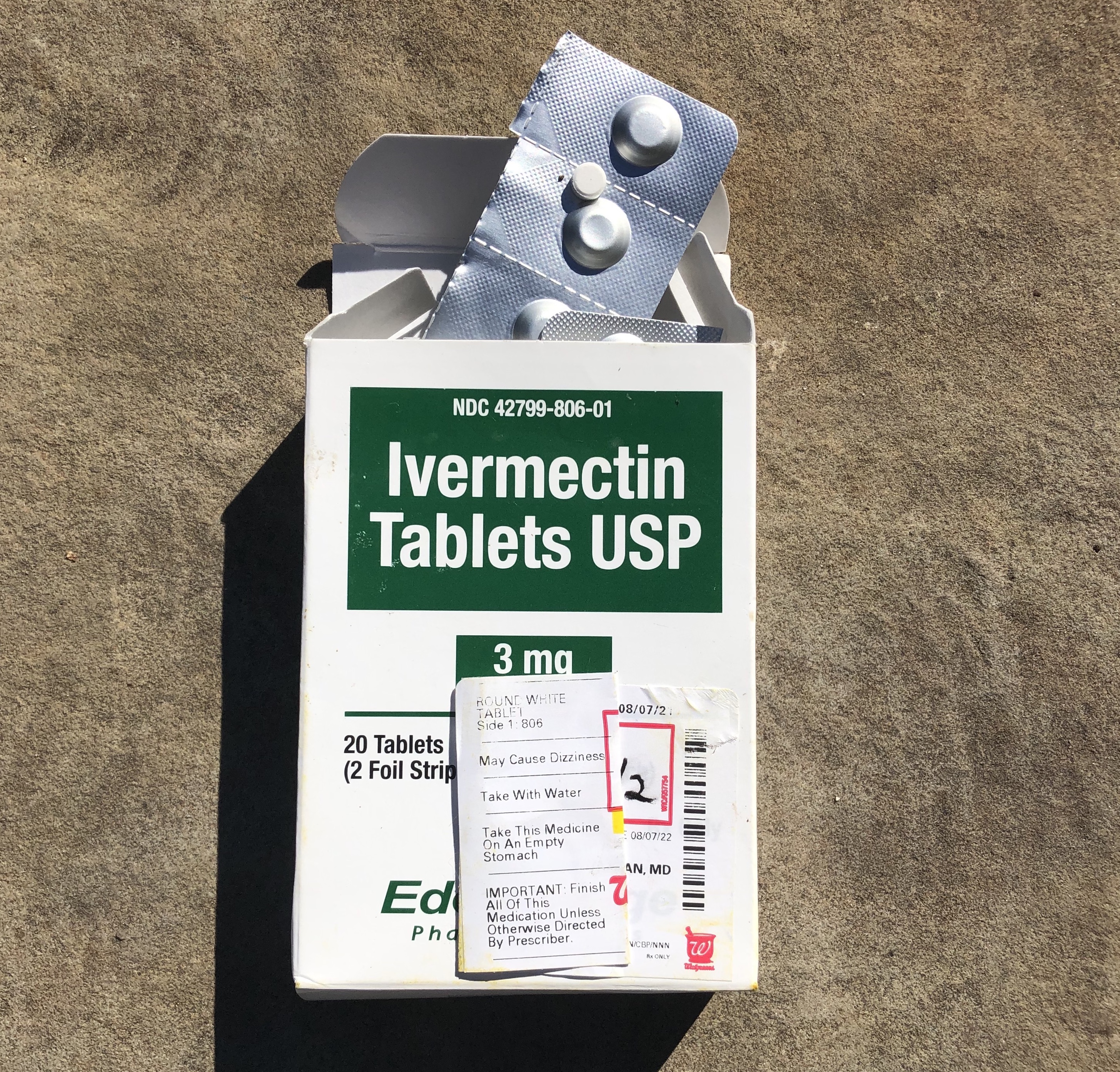 Ivermectin tablets in an undated file photograph. (Natasha Holt/The Epoch Times)
Walker sided with the board regarding its actions apart from the evaluation, finding members enjoyed immunity for their conduct during the hearing on the allegations against Nass and for their determination to suspend her license.
But the case can move forward regarding the psychological evaluation order, he said.
“The scope of what remains of Dr. Nass’s claims will need to be addressed in later proceedings but includes, at a minimum, the requirement that she submit to a psychological evaluation,” the ruling stated.
Nass told The Epoch Times in an email that her license remains suspended because the board imposed conditions that would have prevented her from practicing independently, including requiring her to send her charts regularly to the board for review.
“The reason I wanted a license was so that if another pandemic happened, I would be able to provide the appropriate care to patients as I saw fit, which might not be what the government recommended,” Nass said. “Since the conditions the Board imposed precluded that, I did not seek to regain the license, which remains suspended.”
Nass also said she recently moved to New Hampshire.