



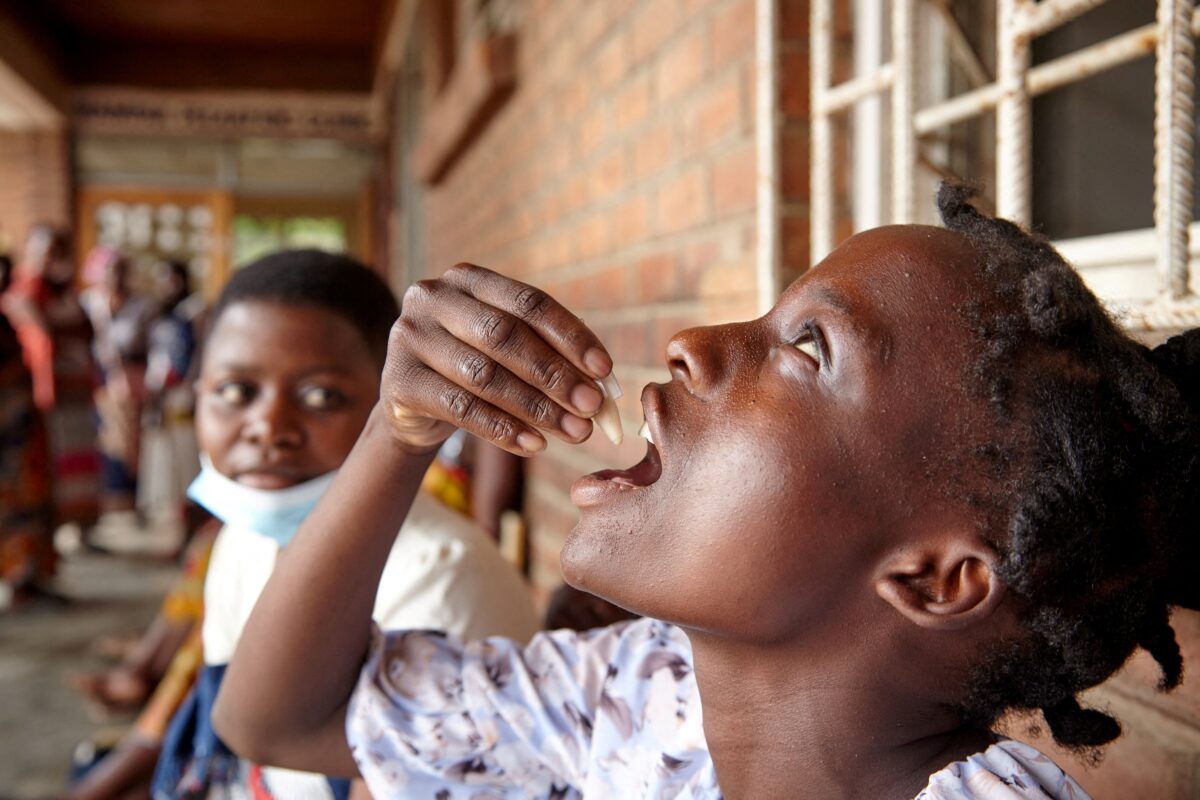
Global cholera cases this year have declined from 2024, but deaths have surged by 46 percent, driven largely by conflict and poverty and posing a significant public health challenge across several regions, the World Health Organization (WHO) said on Aug. 29.
“Between 1 January and 17 August 2025, a total of 409,222 cholera/Acute Watery Diarrhoea (AWD) cases and 4,738 deaths were reported globally, from 31 countries, with six of the 31 countries reporting case fatality rates above 1 percent, indicating serious gaps in case management and delayed access to care,” the WHO said in an update.
Cholera-related deaths were highest in Africa, which alone accounted for 3,763 deaths and a high fatality rate of 2.2 percent.
Cholera is characterized by serious diarrhea and dehydration, according to the Mayo Clinic. It is caused by the bacteria Vibrio cholerae releasing a toxin in the small intestine, which causes the body to purge large amounts of water, leading to dehydration and potentially death.
It is spread through tainted food and water. Although easily treated, it can be fatal if left unchecked. With the advent of modern sewage systems, the disease has been nearly eradicated in developed countries, but persists in Africa, South and Southeast Asia, and Latin America, where people are afflicted by poverty, war, or natural disasters.
Cholera is rare in the United States, with the few cases each year attributed to people who return from countries where the disease is prevalent, according to the Centers for Disease Control and Prevention.
“In 2025, the Eastern Mediterranean Region recorded the highest number of cholera/AWD cases (230 991 cases, six countries), followed by the African Region (172 750 cases, 23 countries), the South-East Asia Region (2985 cholera/AWD cases, five countries), and the Region of the Americas (2496 cases, one country),” the WHO said in the update.
Resurgence in Africa Amid Conflicts, Wars
“The disease burden remains high, particularly in the following countries currently experiencing acute outbreaks: Chad, [the Democratic Republic of the Congo], the Republic of the Congo, South Sudan, and Sudan,” the WHO said.
“These countries continue to report high transmission rates, case fatality rates, and experience significant challenges in outbreak control and access to care.”
Chad, a landlocked country in north-central Africa, and the Republic of the Congo, located in Central Africa, had not reported substantial case numbers in years.
Chad reported a total of 776 cholera cases, including 53 deaths between July 13 and Aug. 19, the WHO said, pointing to the high case fatality rate of 6.8 percent. There is widespread instability and poverty in Chad, according to the World Bank, with 44.8 percent of the population living below the national poverty line.
In the Republic of the Congo, the rate was even higher, with the country reporting a case fatality rate of 7.7 percent. Between June 23 and Aug. 17, there were 457 suspected cholera cases and 35 deaths in the country. The most affected age group is 15 to 24 years, accounting for 19 percent of all reported cases, the WHO said.
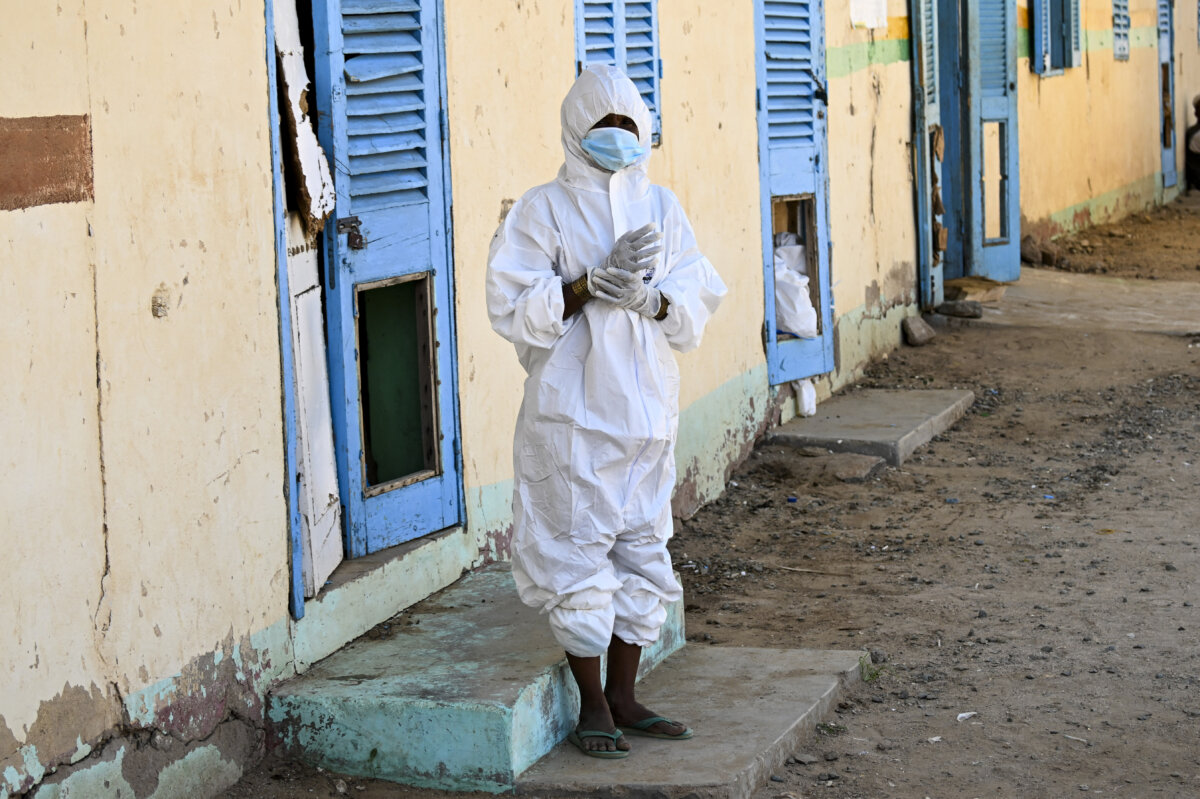
A total of 46,800 cholera cases and 1,362 deaths, with a fatality rate of 2.9 percent, were reported in the DRC from the beginning of the year. There is a war in the region. DRC is rich in natural resources, according to the Council on Foreign Relations (CFR), and the conflict has global implications as Chinese companies vie for and control most of the cobalt, uranium, and copper mines in the country.
“China is involved in Congo’s internal conflict as well as its economy,” according to the CFR report. Since the beginning of 2024, nearly 358,000 people have been displaced in the country, the CFR said.
As for South Sudan and Sudan, both countries together accounted for 120,593 cholera cases and 2,288 deaths since the beginning of the year.
There is ongoing instability in South Sudan with sporadic violence, according to the CFR, while Sudan is locked in a civil war.
Since the latest war began in Sudan two years back, “more than fourteen million have been displaced, giving rise to the worst displacement crisis in the world,” according to the CFR.
The WHO said that cholera outbreaks are continuing to escalate across multiple countries, with seven of the 31 countries now reporting case fatality rates above 1 percent, as of Aug. 17.
Americans who visit regions with cholera are advised to get a vaccine called Vaxchora at least 10 days before travel. It is the only cholera vaccine approved for use in the United States.
The United States faces fewer than 20 cholera cases in a year, according to the CDC.