



Every time we wash our clothes, thousands of tiny plastic fibers are shed down the drain. But where do they go? New research from Griffith University suggests some of these fibers can end up in the crops we eat.
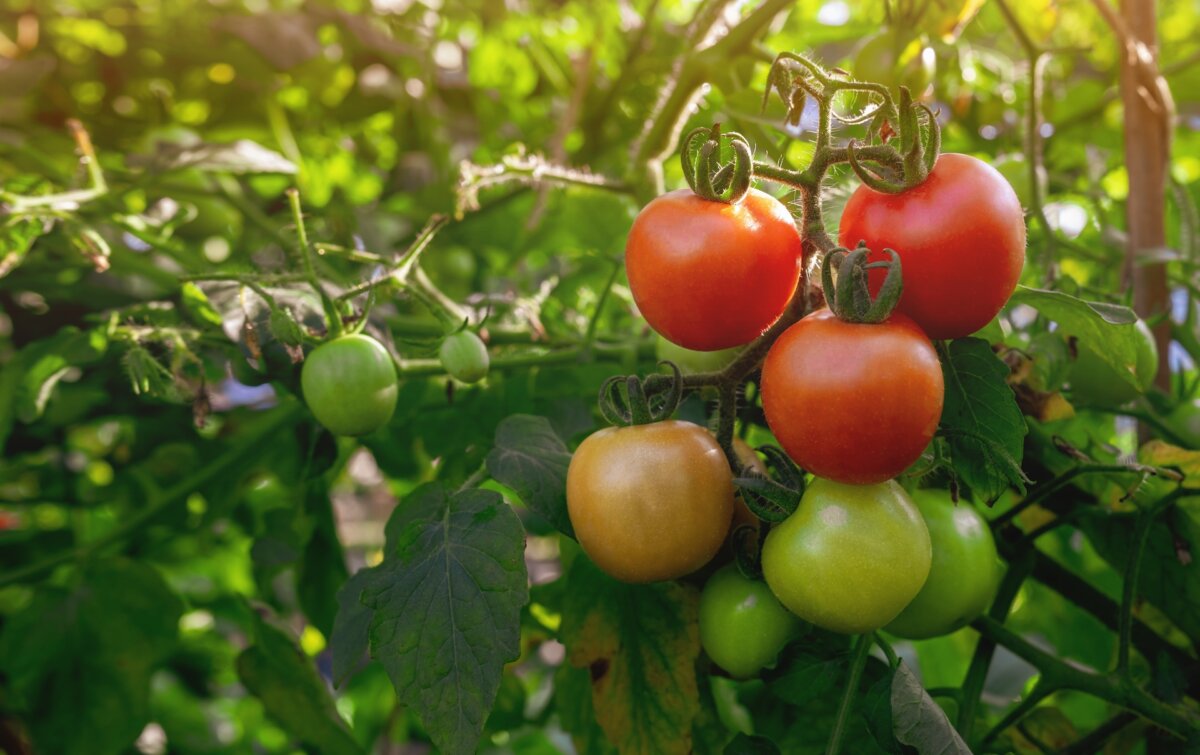
The study, published in Environmental Science and Pollution Research, found that micro and nanoplastics in soil can be absorbed by wheat and tomato crops, where they can accumulate in the roots and further travel into the stem and leaves.
“These findings demonstrate that agricultural soil is not just a sink for plastics, but a pathway into the food systems—meaning they could end up on our plates,” lead researcher Shima Ziajahromi from Griffith’s Australian Rivers Institute said in a media release.
Realistic Plastic Mixtures
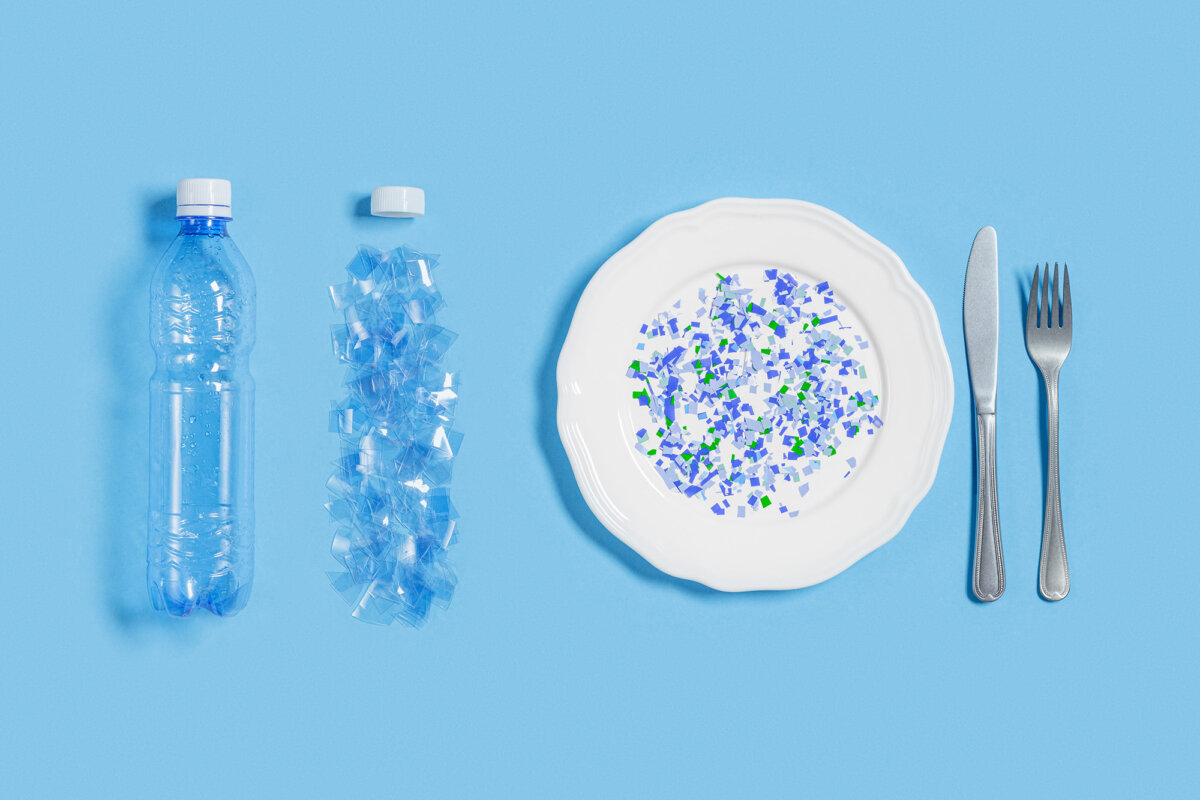
The study tested common plastics found in agricultural soils: polyethylene terephthalate (PET) fibers, polyethylene (PE) fragments, and polystyrene.
But a key difference in this study was the use of a mixture of plastics, whereas earlier studies in the field focused on individual microplastics in soil.
“We exposed that plant to three different polymer types and shapes of microplastics,” Ziajahromi told The Epoch Times.
The study found this mixture of microplastics caused greater toxicity to tomato plants than individual plastics did.
“We could see some synergistic effects when we mix microplastics, which is something actually happening in the real environment,” Ziajahromi explained.
Additionally, by growing plants in microplastic-contaminated environments, the researchers found a reduction in plant growth and chlorophyll levels—the key pigment that gives plants their green color and is involved in photosynthesis.
How Do Microplastics Enter the Soil?
According to Ziajahromi, the source of microplastics in crops begins in the washing machine.
“Every time we wash our clothes in the washing machine, millions of tiny plastic fibers are shed from our clothes, and they make their way into our wastewater treatment plants,” she said.
“Our wastewater treatment plant can capture most of them, which is good news. But the bad news is that they are all retained in the sewage sludge.”
The sewage sludge is treated and converted into biosolids, which are then used as “organic” fertilizer. In Queensland, 90 percent of biosolids are used in the agricultural sector.
Ziajahromi’s prior research has found that soils fertilized with biosolids can contain heavy contamination with microplastics.
“We also looked at biosolids from wastewater treatment plants, and we found thousands of millions of microplastics ending up in sewage, that are all going to agriculture,” she said.
Aside from the washing machine, microplastics can enter soil from other sources, with the plastics and paint industry being two examples. Ziajahromi added that contaminants in the environment can accumulate in stormwater runoff, eventually leading to agricultural soils.
Microplastics in the Body
Beyond agriculture, researchers are increasingly examining what microplastics may be doing inside the human body.
A study published in Nature Medicine by researchers at the University of New Mexico found that microplastics are accumulating in the brain at “alarming rates,” with higher concentrations than in other organs.
Researchers suggested some particles may be able to cross the blood-brain barrier, a protective shield designed to keep harmful substances out of the brain.
The study indicated the brain contained seven to 30 times more microplastics compared to other organs.
Higher levels of microplastics were found in dementia autopsies, raising concerns about possible links to brain tissue damage, although researchers cautioned that the findings do not prove microplastics cause dementia.
In a separate line of research, scientists studying drinking water found microplastics small enough to enter cells and, in some cases, below the detection limits of current monitoring technologies.
This suggests human exposure may be far more widespread than previously understood, occurring through both food and water.
Australia Has Yet to Make Progress with Regulation
There are currently limited methods for removing microplastics from the environment on a large scale. The solution to reducing microplastics in the soil, according to Ziajahromi, is to reduce them at the source—washing machines.
“The best solution is to reduce them right at the source,” she said, pointing to washing machine filters as one option already adopted in other countries.
“Some countries made it mandatory. Australia has not yet. Some states in Canada, some states in the United States, France, and other European countries are also working toward that.”
Australia has made some progress in the past, including restrictions on single-use plastic bags and certain PFAS chemicals, but it does not currently regulate or routinely monitor microplastics.
“At the moment, there are no standards for microplastics as an emerging contaminant, that’s why they’re not being monitored in wastewater treatment plants,” Ziajahromi said.
Stronger monitoring standards and filtration measures at the source, she said, including washing machine filters, could help reduce contamination entering the environment.