



The World Health Organization (WHO) on May 17 declared a “public health emergency of international concern” related to an Ebola outbreak caused by the Bundibugyo ebolavirus—less virulent than the more common Zaire ebolavirus.
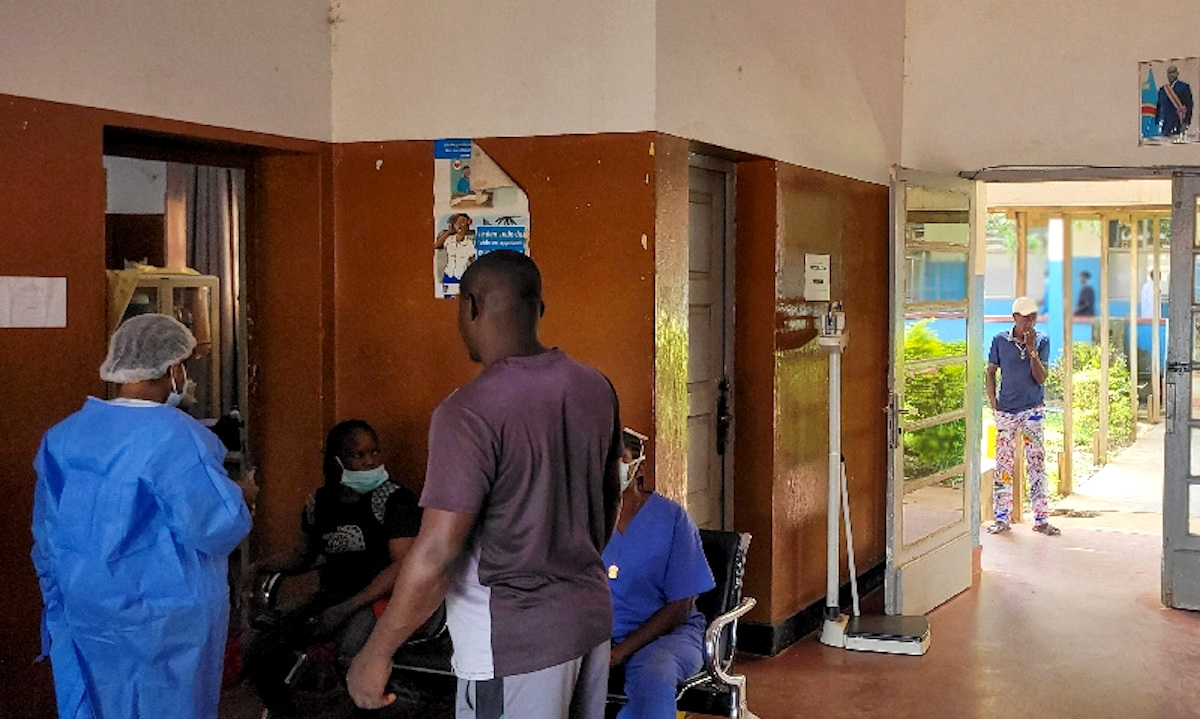
The outbreak was first detected in Ituri Province in Congo. As of May 16, there have been 80 suspected deaths across at least three of Congo’s health zones, including Bunia, Rwampara, and Mongbwalu. Another eight cases have been confirmed, and 246 suspected cases are undergoing testing. Congo’s health minister said the fatality rate for Bundibugyo ebolavirus can reach 50 percent.
WHO Director General Tedros Adhanom Ghebreyesus declared that the outbreak was of “international concern” after two confirmed cases were reported across the border in Kampala, Uganda—one on May 15 and the other on May 16. The infected individuals had traveled to Uganda from Congo. One has since died from the Bundibugyo virus infection.
“There are significant uncertainties to the true number of infected persons and geographic spread associated with this event at the present time,” the WHO said. “In addition, there is limited understanding of the epidemiological links with known or suspected cases.”
It also stated that high positive test rates and increasing reports of sick patients and deaths across Ituri “point towards a potentially much larger outbreak than what is currently being detected and reported, with significant local and regional risk of spread.”
The United Nations health body warned countries that share land borders with Congo that they are “considered at high risk for further spread due to population mobility, trade and travel linkages, and ongoing epidemiological uncertainty.”
The WHO said it is working on convening an emergency committee as soon as possible to advise nations in the region and more globally on how to best respond to the outbreak. It said the outbreak “does not meet the criteria of a pandemic emergency.”
Bundibugyo virus disease contacts and cases should not travel internationally, unless as part of a medical evacuation, it said. It advised immediately isolating confirmed cases and monitoring contacts daily, and it advised that their national travel be restricted and international travel be avoided until 21 days after exposure.
It did not recommend closing borders to restrict travel or trade. Such measures are “usually implemented out of fear and have no basis in science” and push people and goods toward illegal routes that are not monitored, it said. However, federal authorities are encouraged to work with airlines and tourism services to “ensure that they do not exceed WHO’s advice on international traffic.”
The U.S. Centers for Disease Control and Prevention (CDC) currently categorizes the outbreak in Congo as a Level 2, recommending that travelers “practice enhanced precautions” if visiting the country. The CDC travel advisory for Uganda remains at Level 1—”practice usual precautions.”
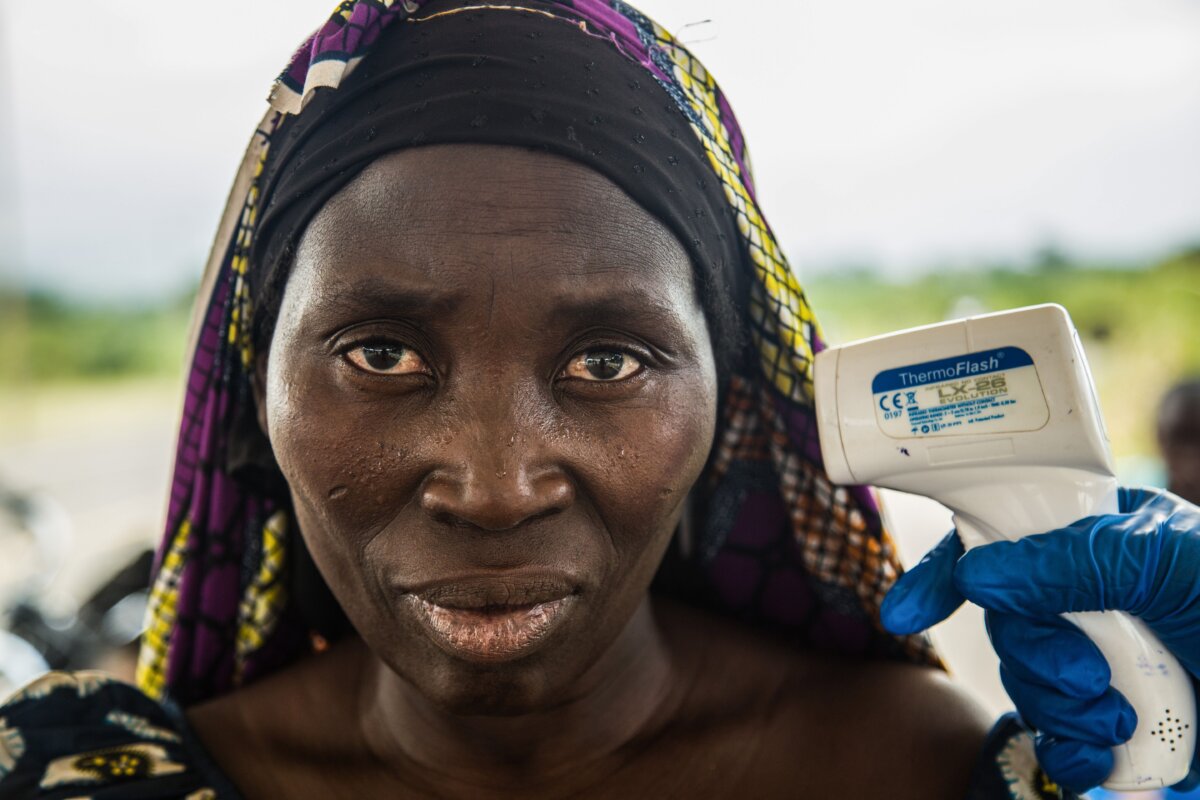
Congo’s health minister, Samuel Roger Kamba, warned on May 16 that the strain in the current outbreak has caused 80 deaths, which represents a “very high fatality rate which can reach as high as 50 percent.” He also expressed his concern about the lack of available vaccines and specific treatments for the Bundibugyo virus.
He told reporters that the first case was a symptomatic case that presented on April 24 in the provincial capital, Bunia. The patient was a nurse.
Ebola Outbreaks
The indications of spread resemble those seen during a 2018–2019 outbreak of a more deadly Ebola strain, Zaire ebolavirus, in North Kivu and Ituri provinces, the WHO said. But it expressed concern that no vaccines or specific treatments have currently been developed for Bundibugyo ebolavirus.
“As such, this event is considered extraordinary,” it stated.
Like other ebolaviruses, the Bundibugyo virus is transmitted through close contact with bodily fluids of infected people and, rarely, infected animals.
The incubation period is between two and 21 days, characterized by an acute onset of fever, aches, pains, and fatigue. In severe cases, it may cause diarrhea, vomiting, and unexplained bleeding, according to the CDC.
Past large human outbreaks have mostly been associated with the Zaire ebolavirus but also the Sudan ebolavirus, both of which have higher mortality rates than Bundibugyo ebolavirus: 50–90 percent and 50–70 percent, respectively. Vaccines and treatments are available for Zaire ebolavirus, which is often just called “Ebola virus.”
Bundibugyo virus has historically been associated with lower fatality rates of about 30 percent, although this can vary between outbreaks.
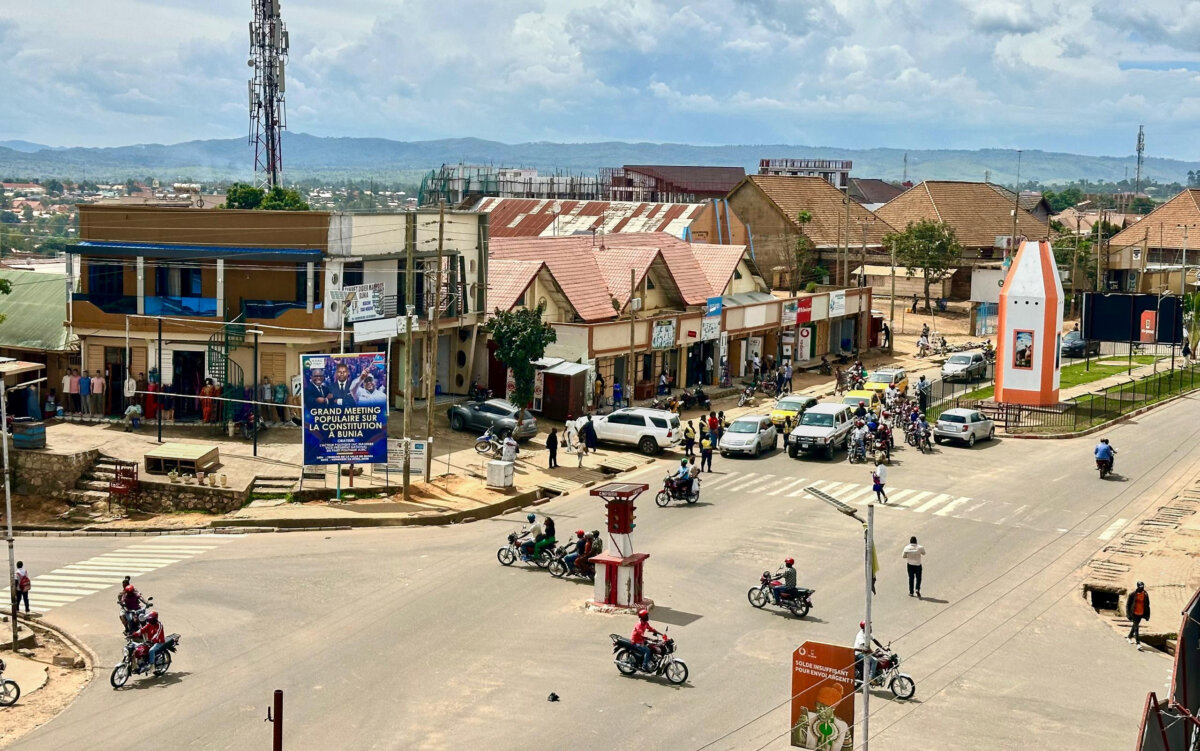
Bundibugyo ebolavirus was first detected in Uganda in 2007, and there have been several outbreaks of this type of Ebola in Uganda and Congo. The last Bundibugyo virus outbreak was in 2012.
The most recent outbreak of Zaire ebolavirus was from September through December 2025 in Congo—the country’s 16th outbreak of Ebola virus—with a fatality rate of 70 percent. According to the WHO, 45 of 64 infected individuals died from the disease in that outbreak.