



An American doctor is being transferred from Uganda to a hospital in Prague after he came into contact with an Ebola-infected patient, health officials in the Czech Republic said.
The doctor was showing no symptoms of the deadly virus as of May 20, and will be hospitalized as a precaution following a request from the United States, Czech Health Minister Adam Vojtech said on X.
Among the confirmed Ebola cases is another American doctor who was caring for patients in the Congo with a Christian organization in Ituri Province. Dr. Peter Stafford “began to develop symptoms and received a positive test result for the Bundibugyo ebolavirus variant,” Serge, the Christian group, said in a statement on May 18. He has been transferred to Germany.
More than 130 deaths have been linked to an Ebola outbreak in the Democratic Republic of Congo in central Africa, with cases confirmed in neighboring Uganda.
The doctor who had been practicing in Uganda was being transported in an isolation unit and was expected to arrive on the evening of May 20, the Faculty Hospital Bulovka in Prague, which specializes in infectious diseases, announced on Tuesday.
‘No Risk to Czech Public’
“The case does not pose a risk to the public in the Czech Republic, and procedures for similar situations are clearly set,” the hospital said.
The disease can cause a range of symptoms, including fever and internal bleeding, and has an average mortality rate of about 50 percent.
The World Health Organization (WHO) said on Wednesday that the risk of spreading the virus in Congo and Uganda is high at national and regional levels, but low at the global level.
The leader of the WHO team in Congo said the outbreak could last at least another two months, as aid efforts intensified to stop the spread.
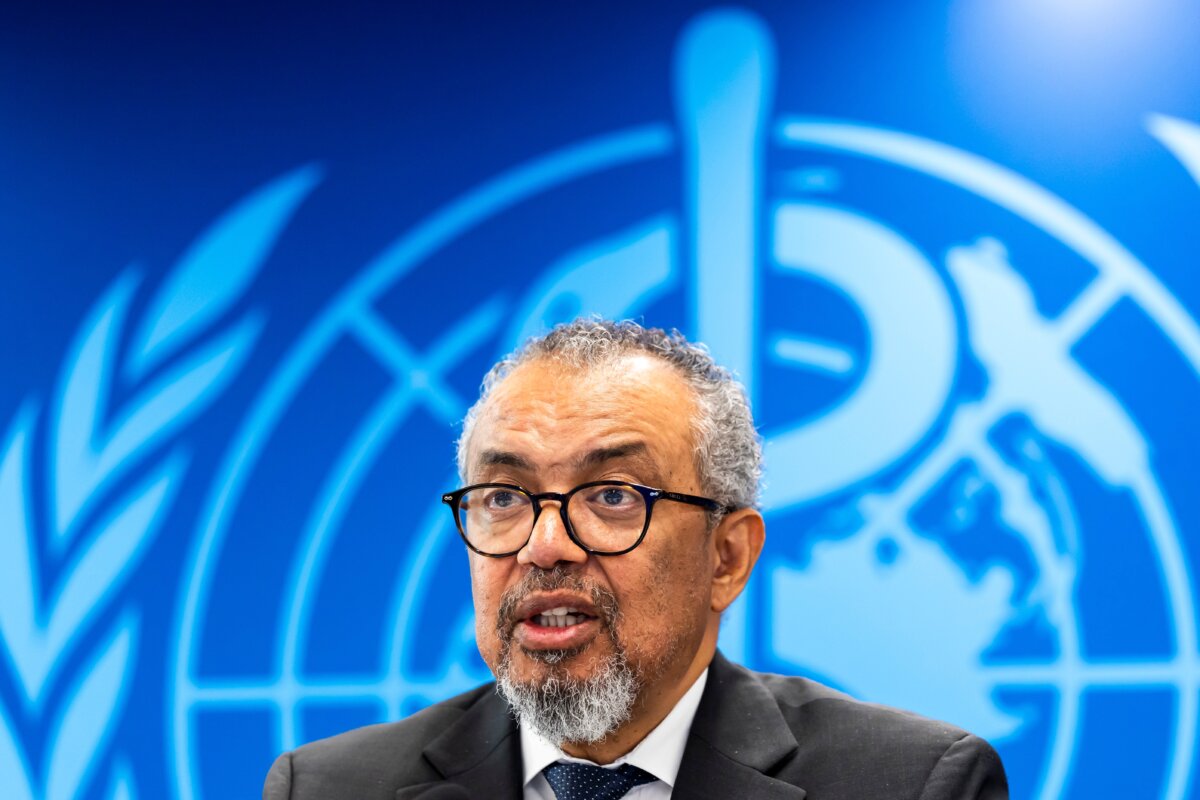
WHO Director-General Tedros Adhanom Ghebreyesus declared the outbreak of the rare Bundibugyo strain of the virus a public health emergency of international concern on May 16, before convening an emergency committee. This was the first time a director of the WHO has taken this step without first consulting experts.
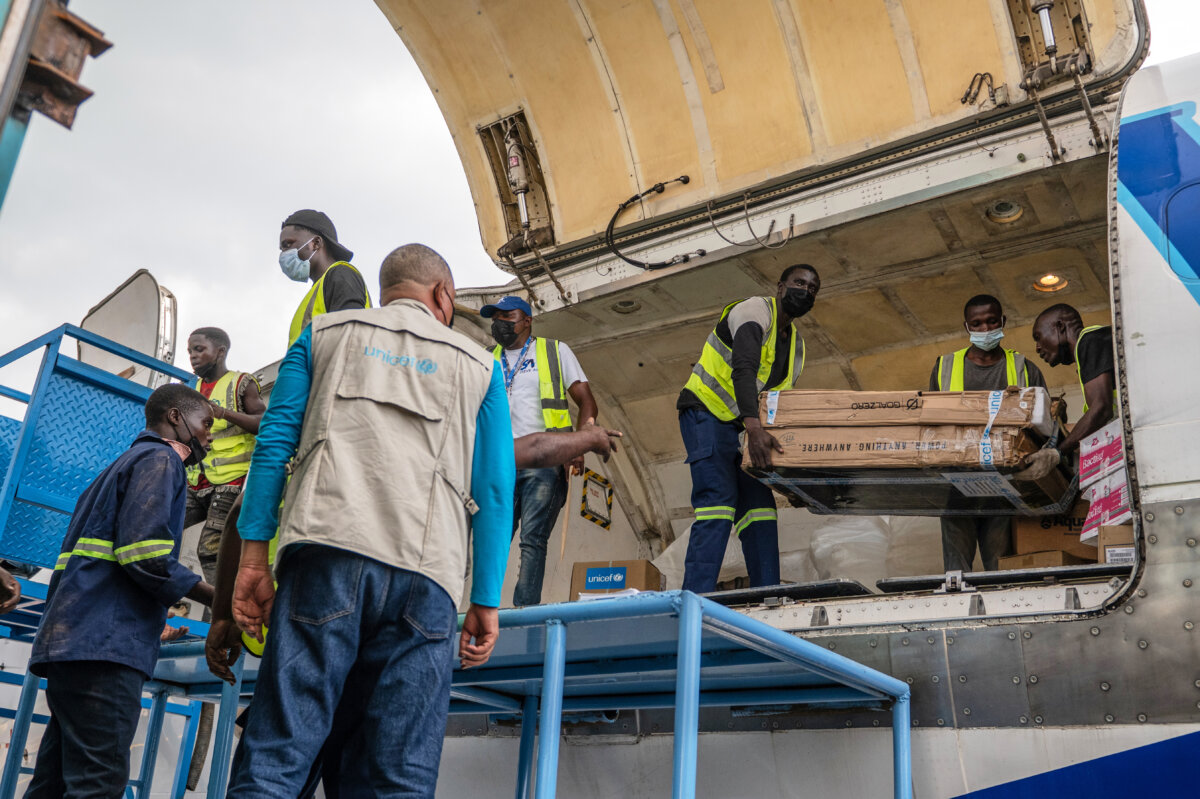
There are no approved medicines or inoculations for the Bundibugyo virus, although at least two vaccine candidates are in development. These are at least “a few months” away from being ready, according to the WHO.
The latest outbreak spread for weeks undetected across a densely populated area ravaged by widespread armed violence.
An outbreak of the so-called Zaire strain of Ebola in eastern Congo from 2018 to 2020 was the second deadliest on record, killing nearly 2,300 people.
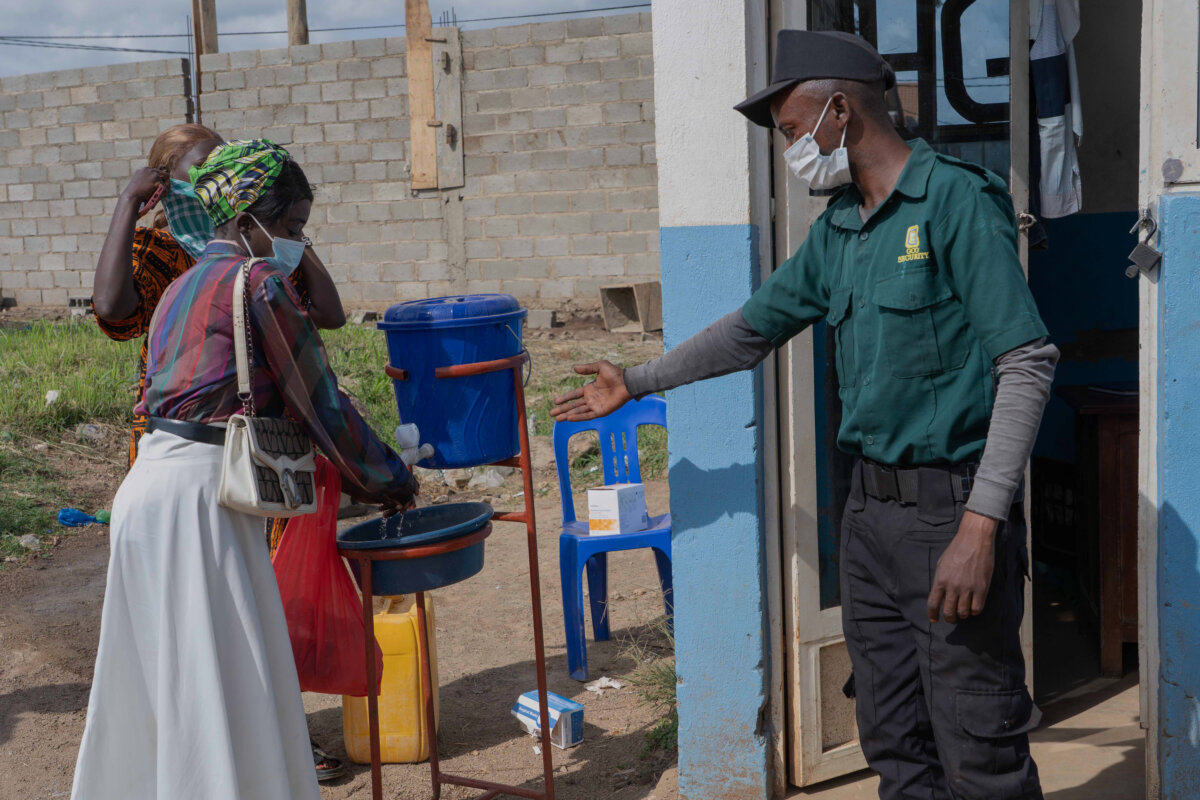
Residents in eastern Congo have reported price increases for masks and disinfectants following the Bundibugyo outbreak.
Authorities tested for another, more common Ebola virus, which came up negative, health experts and aid workers said, allowing the rare strain to spread.
So far, 51 cases have been confirmed in Congo’s northern provinces of Ituri and North Kivu, as well as two in Uganda, Ghebreyesus said on May 20. Overall, there are 139 suspected deaths and almost 600 suspected cases, he said.
“We know that the scale of the epidemic is much larger,” he said. “We expect those numbers to keep increasing.”
An ‘Experimental’ Oxford Vaccine
Congo is expecting from Britain and the United States shipments of an “experimental” vaccine for different types of Ebola, developed by researchers at Oxford, Jean-Jacques Muyembe, a virologist at the National Institute of Biomedical Research, told reporters on Tuesday.
“We will administer the vaccine and see who develops the disease,” he said.
In Bunia, the site of the first known death, schools and churches remained open on May 20, with life carrying on relatively normally.
Some residents wore face coverings in the streets, with locals telling reporters that masks have become harder to find, and that some disinfectants previously selling for 2,500 Congolese francs (about $1) now cost up to 10,000 francs ($4.4).
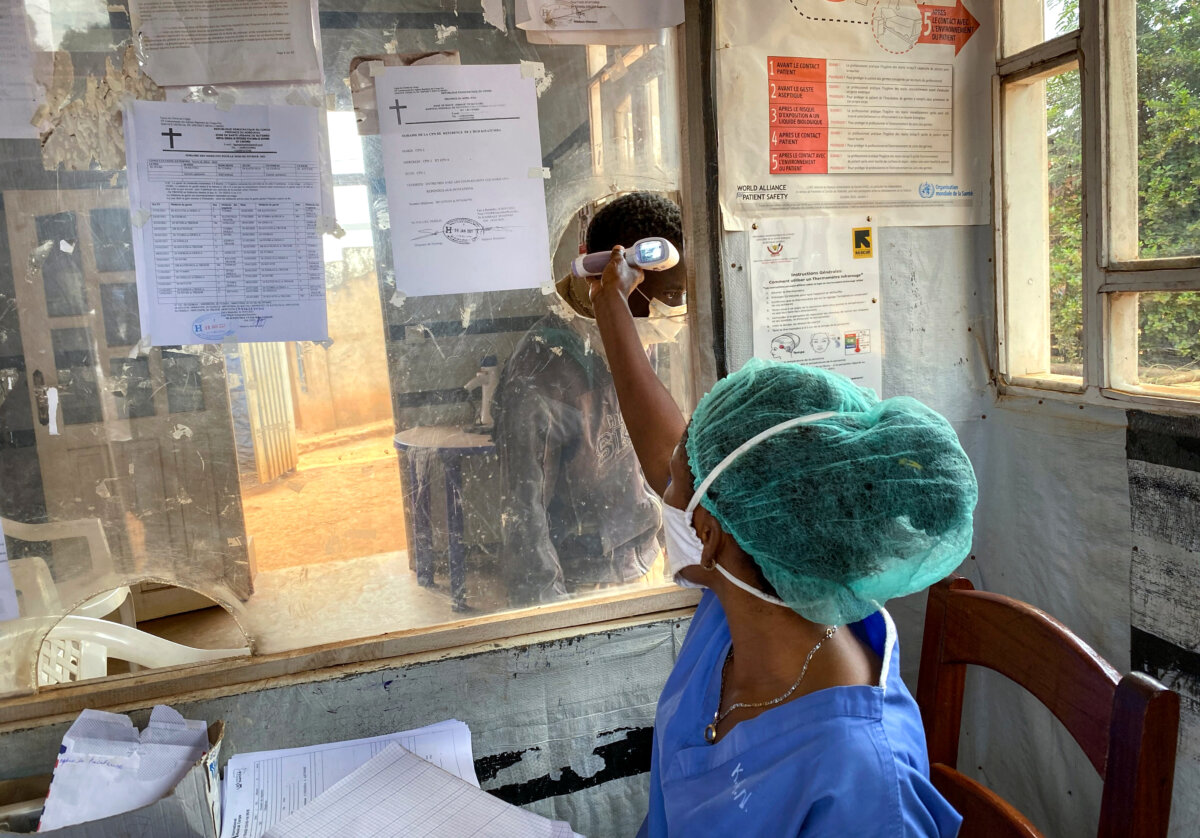
Health experts said the delayed detection of the virus and large population movements in affected areas, together with the existing humanitarian crisis in the region, complicated the response.
Aid Efforts Hampered
The delivery of aid was difficult because parts of eastern Congo are controlled by armed rebels linked to the Islamic State.
Congo officials have said the first person died from the latest outbreak of the virus on April 24 in Bunia, but confirmation did not come for weeks. The body was repatriated to Mongbwalu, a mining area with a large population.
“That caused the Ebola outbreak to escalate,” said Congo Health Minister Samuel Roger Kamba.
Dr. Anne Ancia, who heads the WHO team in Congo, said authorities still haven’t identified “patient zero,” the first person to contract the virus in the latest outbreak.
Ancia said that cuts in funding had “a marked detrimental effect on humanitarian actors.”
The United States completed its withdrawal from the WHO in January, following a one-month notice period given by President Donald Trump, who cited the agency’s mishandling of the COVID-19 pandemic.
The Trump administration disbanded the United States Agency for International Development after it said an audit by the Department of Government Efficiency, initially headed up by Tesla boss Elon Musk, found widespread fraud and other misuse of funds.
Foreign aid has continued to be administered in a less centralized way, with the overall contribution from Washington sharply reduced.
Tedros said it was too early to say whether funding cuts to the WHO or the Congo had contributed to any delays in detecting or responding to the outbreak.
U.S. Secretary of State Marco Rubio said on May 19 that the Trump administration would “lean into” response efforts to the epidemic, with a priority of funding 50 emergency clinics in affected areas.
The United States has so far contributed $13 million to the aid effort, and Rubio said more money would be made available.
Reuters and The Associated Press contributed to this report.