



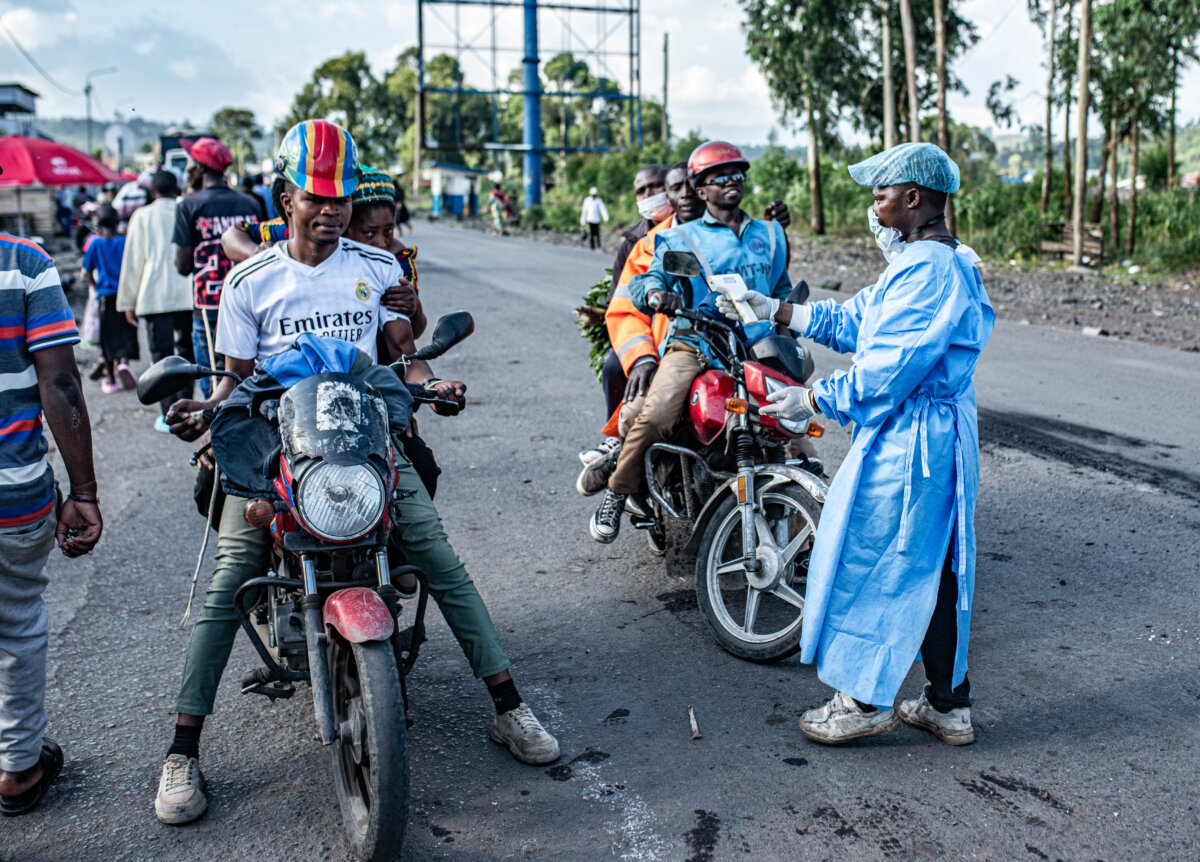
The outbreak of Ebola in central Africa has grown to more than 900 suspected cases and more than 200 suspected deaths, authorities said on May 24.
There are more than 900 suspected cases across three provinces in Congo, in addition to 101 confirmed cases, the Congolese Ministry of Communications and Media said in a post on X.
There have also been 220 suspected deaths, according to the World Health Organization.
Most cases have been recorded in Congo across the provinces of Ituri—where the outbreak is believed to have started—North Kivu, and South Kivu.
“We have intensified surveillance activities, mass testing, and awareness-raising in affected areas to trace the maximum number of cases,” Congolese Minister of Communication Patrick Muyaya said in a statement.
He highlighted how the outbreak has not spread to any additional provinces in recent days.
The Ugandan Ministry of Health said on May 25 that two new Ebola cases have been confirmed among Ugandan health workers who work in a private health facility in Kampala, bringing the total number of confirmed cases in Uganda to seven.
Officials said that all contacts of the individuals have been identified and are being closely monitored.
“Members of the public are advised to immediately report anyone presenting symptoms consistent with Ebola Virus Disease to the nearest health facility,” Dr. Charles Olaro, Ugandan director general of health services, said in a statement. “Early detection and treatment greatly improve chances of survival and help prevent further spread of the disease.”
Ebola is caused by orthoebolaviruses. The current outbreak is caused by the Bundibugyo orthoebolavirus, which does not have any approved vaccines or treatments.
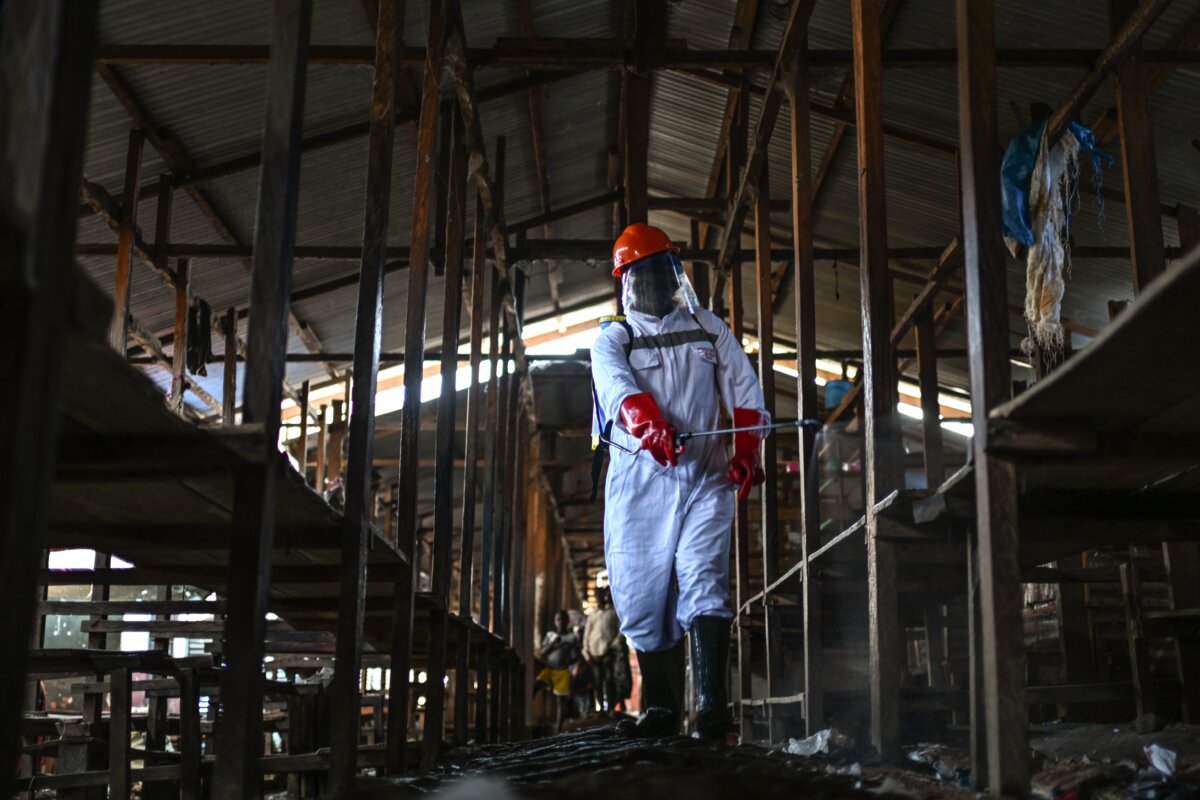
Symptoms of Ebola include fever, vomiting, and unexplained bleeding.
The World Health Organization has designated the outbreak a public health emergency of international concern and, on May 22, raised the risk for Congo to very high, citing in part how quickly the outbreak has been spreading.
Tedros Adhanom Ghebreyesus, the organization’s director general, said in a May 24 post on X that violence in the Ituri Province is forcing people to flee, including health workers, which is “severely impeding efforts to scale up Ebola contact tracing and identify infections early enough to provide supportive care.” He said that the organization and its partners are still present across the province, including in some of the most remote areas.
Officials from the organization, the Africa Centers for Disease Control and Prevention, and a number of African countries convened in Uganda on May 23 to discuss how best to tackle Ebola and other diseases, such as cholera.
“This outbreak is not a [Congo] issue, it is a regional issue,” Dr. Jean Kaseya, Africa Centers for Disease Control and Prevention director general, told reporters after the meeting. “Those who believe that it is a [Congo] issue will be surprised, as it was during [the COVID-19 pandemic]. We need to take it as a regional, even continental issue, and deal with that.”
Congolese Minister of Public Health Dr. Samuel Roger Kamba told reporters that a unified response across African countries was needed to contain the outbreak. He also said a delay in discovering the outbreak stemmed from a laboratory in Bunia being unable to detect the Bundibugyo virus, prompting officials to send samples to another lab in Kinshasa.