



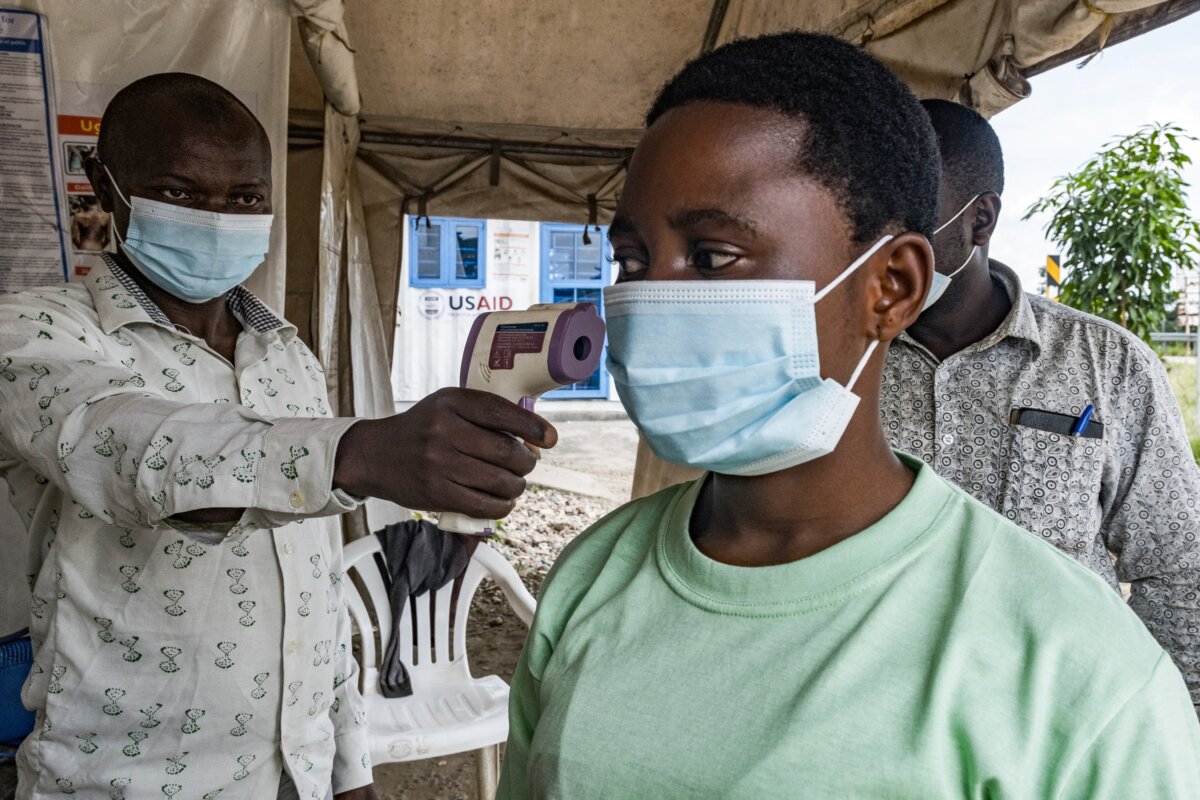
Uganda on May 27 announced that it is closing its border with Congo in a bid to curb Ebola.
The National Task Force on Ebola Response, chaired by Ugandan Vice President Jesca Alupo, agreed to immediately close the border, Uganda’s Ministry of Health said in a statement. It described the closure as temporary.
“The only Exceptions are for authorized Ebola response teams, humanitarian operations, food and cargo transportation, and security under strict health screening and monitoring protocols,” the ministry said in a May 27 post on X.
Individuals who meet the exceptions must isolate for 21 days under monitoring from the ministry and local surveillance teams.
Schools in border areas will remain open, with monitoring of students who have recently been in Congo, officials said.
Ebola cases have been surging in Congo in recent weeks. There are more than 100 confirmed cases and 900 suspected cases, Congolese authorities said this week, in addition to more than 200 deaths.
Authorities in Congo said on May 26 that ending the outbreak, caused by a virus called Bundibugyo, which has no vaccine or treatments, may take six months.
Uganda has confirmed seven cases, including a 59-year-old Congolese male who died.
No new cases have been confirmed since May 25, Ugandan Health Secretary Dr. Diana Atwine told reporters on May 27.
Health workers and others who came into contact with the confirmed patients are being monitored.
Uganda is the latest country to impose restrictions in response to the outbreak.
Rwanda, which also neighbors Congo, previously closed its border with Congo.
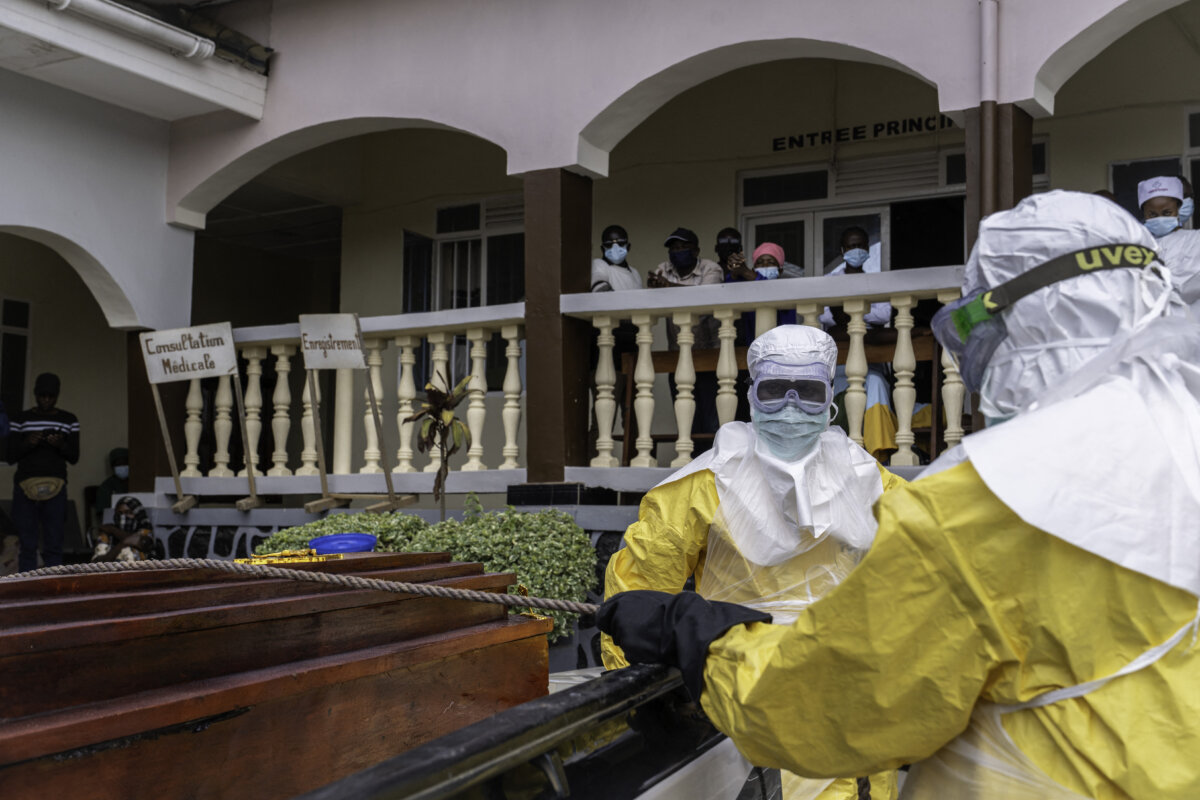
The United States has suspended the entry of people who have recently been to Congo, Uganda, or South Sudan. Canada requires all travelers from those countries to isolate for three weeks, and the Bahamas will not allow people who have been in those countries to enter.
The World Health Organization said earlier in May, when declaring the outbreak a public health emergency of international concern, that Congo and Uganda should screen at borders to ensure that no suspected cases are missed.
“No country should close its borders or place any restrictions on travel and trade,” the group also said at the time. “Such measures are usually implemented out of fear and have no basis in science. They push the movement of people and goods to informal border crossings that are not monitored, thus increasing the chances of the spread of disease. Most critically, these restrictions can also compromise local economies and negatively affect response.”