



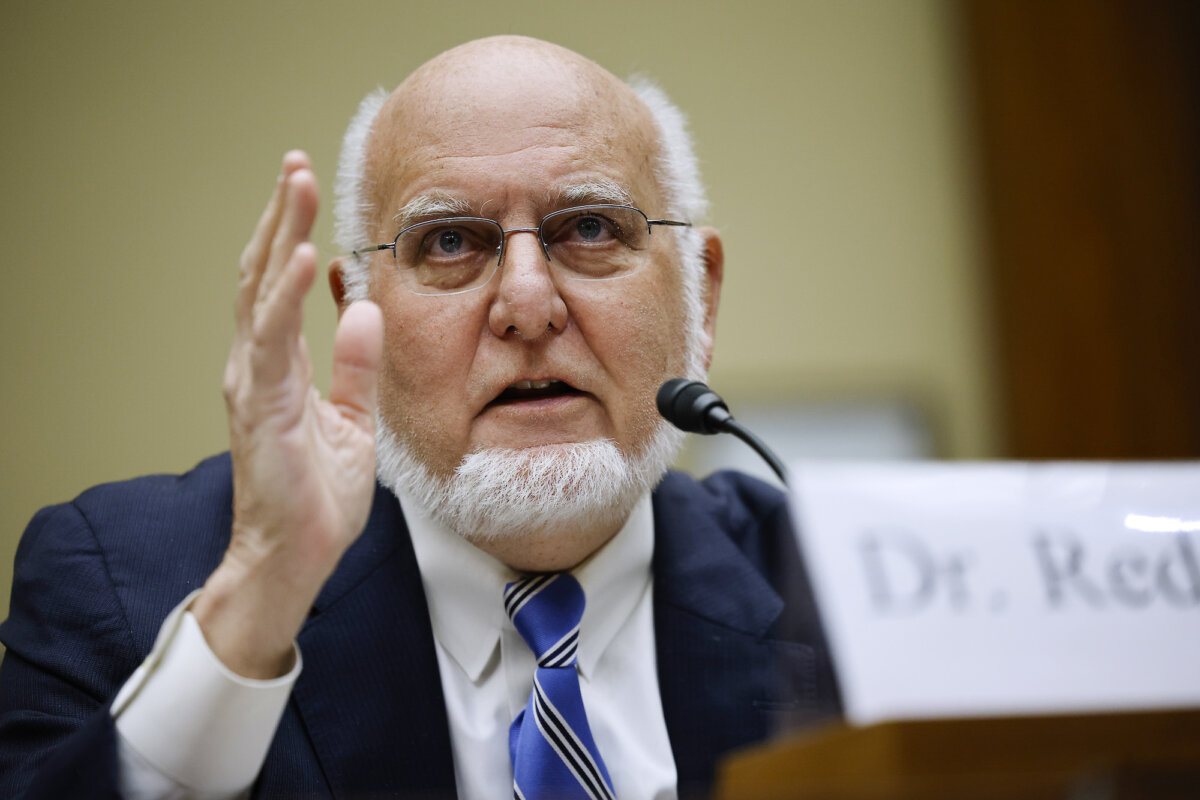
Former U.S. Centers for Disease Control and Prevention head Robert Redfield said that the ongoing Ebola virus outbreak in Africa could become one of the largest in history.
“It’s already the third-largest outbreak of Ebola in the world,” Redfield told NewsNation on May 29.
The latest official figures provided by the World Health Organization (WHO) on May 29 showed 906 suspected Ebola cases and 223 suspected Ebola deaths, mainly centered in eastern Congo. Neighboring Uganda has confirmed nine cases and one death, the Ugandan Health Ministry also said that same day.
The outbreak is also concentrated in one Congolese region, Ituri Province, accounting for 88 percent of confirmed cases, according to the WHO, which said that “security incidents against health facilities, and community resistance, have recently emerged as major operational challenges” there.
After being identified by health officials in 1976, the largest Ebola outbreak occurred from 2014 to 2016, with 28,600 cases, mainly in West Africa. The second-largest outbreak occurred in Congo from 2018 to 2020, according to the CDC.
“This is something that is likely to go on unfortunately for a while,” Redfield added in the NewsNation interview. “And these numbers, I won’t be surprised if this doesn’t become the second-largest outbreak that we’ve ever had.”
Earlier this month, Redfield warned the current outbreak in Congo could transform into a “very significant pandemic” in Africa.
“Normally when we have these Ebola outbreaks, and I had three of them when I was CDC director, all of which were in [Congo], normally we recognize them when we have five, 10 cases, you know, at most,” he said at the time. “This one really wasn’t picked up until there was over 100 cases.”
On Sunday, the WHO reported five patients recovered from a rare type of Ebola virus causing the Congo outbreak
“Four people will be discharged today, and there was one that was discharged the day before yesterday,” WHO Director-General Tedros Adhanom Ghebreyesus said during the opening of a new Ebola treatment center in Bunia, the capital of Ituri province.
Health officials are “still working on vaccines and treatments, but that doesn’t mean that people cannot recover from Ebola,” he added.
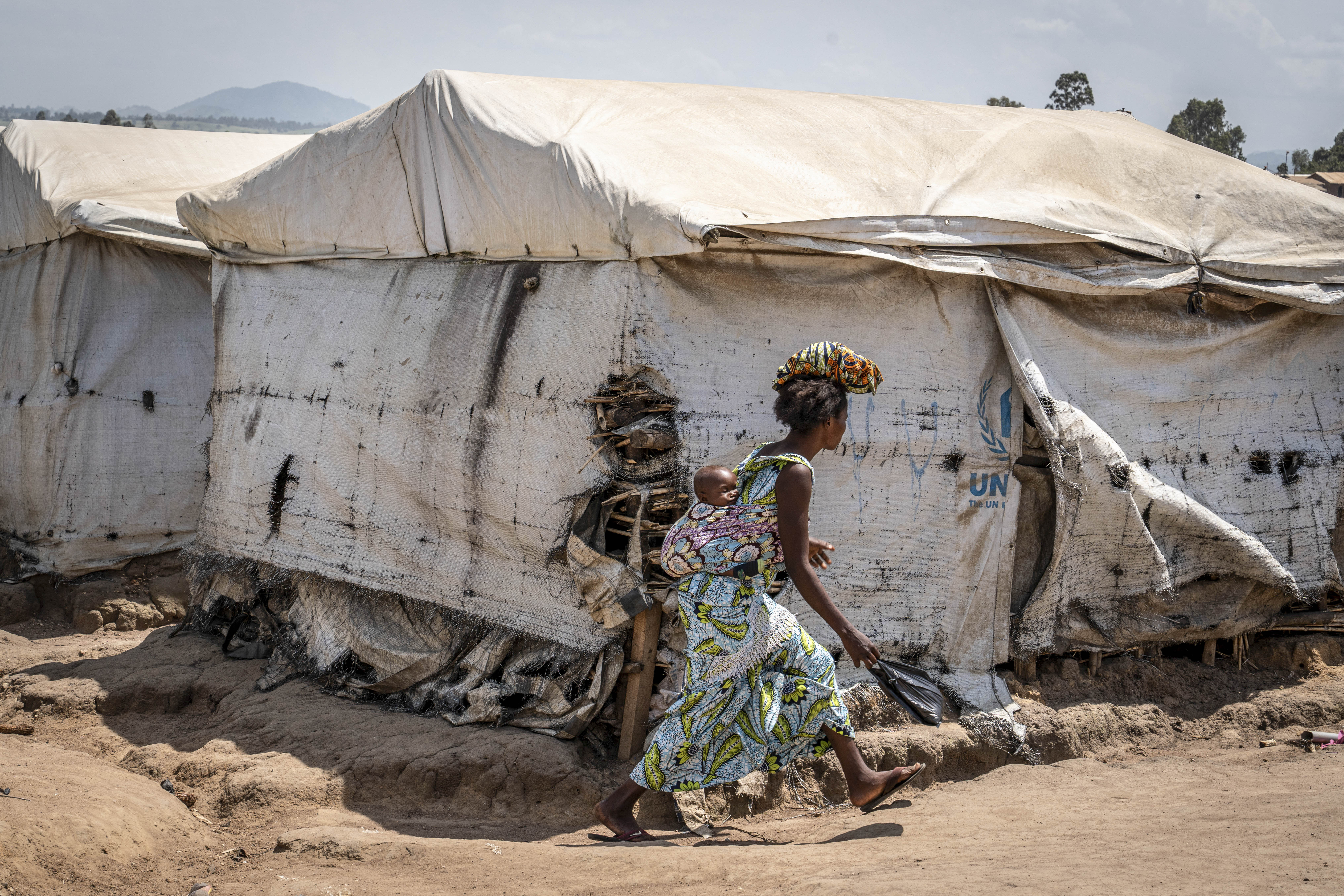
The WHO said on May 29 that a patient had recovered from the Bundibugyo virus, the current species of Ebola, which has no approved treatment or vaccine. It was the first documented recovery of a confirmed Bundibugyo patient during the current outbreak.
A day prior to that, the U.S. Department of State issued a “worldwide caution” advisory for Americans overseas and said that U.S. citizens who were present in Congo, South Sudan, or Uganda in the past 21 days can only enter through specific airports for screening when they arrive in the United States.
It also said that people should “be prepared for flight changes or cancellations,” according to the notice.
The Associated Press contributed to this report.