



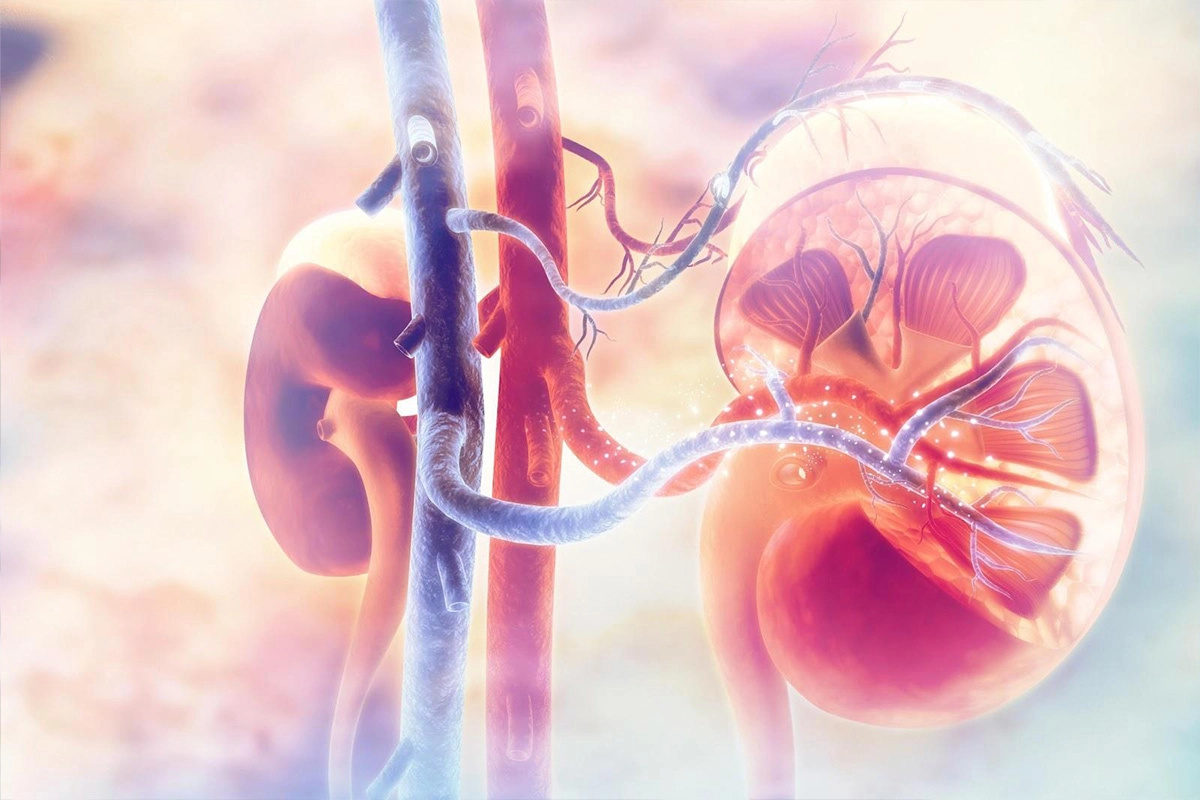
Up to half of life-threatening chronic kidney disease cases remain undiagnosed, according to a new series of papers published in The Lancet, despite the condition affecting an estimated 844 million adults worldwide.
Chronic kidney disease (CKD) is currently the ninth leading cause of death globally and is projected to become the fifth leading cause by 2040.
In Australia, it is estimated 2.7 million people have biomedical markers of CKD, yet less than 10 percent are aware they have the condition.
Researchers say many cases could be detected earlier through routine screening, potentially reducing serious illness and pressure on health systems.
The Silent Killer and Hidden Risks
CKD is a long-term condition that causes a gradual loss of kidney function over time, but unlike other chronic conditions, symptoms often do not appear until the later stages of the disease.
Adelaide University researcher Matthew Borg, who was involved in The Lancet studies, described CKD as a “silent” condition because it frequently remains hidden until substantial damage has already occurred.
“Kidney disease is often described as a silent condition because many people don’t realise they have it until it has already progressed,” he said in a media release.
A spokesperson for Kidney Health Australia told The Epoch Times that patients can be asymptomatic until most kidney function is lost.
“Up to 90 percent of kidney function can be lost before people experience symptoms, so the diagnosis of CKD relies largely on people with known risk factors such as diabetes and hypertension getting an annual kidney health check with their GP.”
In addition to diabetes and hypertension (high blood pressure), the spokesperson said obesity, family history of kidney/heart failure, smoking, and previous kidney injury can also increase the risk of CKD.
According to the Australian Institute of Health and Welfare (AIHW), around 80 percent of people with CKD have at least one other chronic condition, most commonly diabetes or cardiovascular disease. These co-existing conditions can complicate treatment, contribute to poorer health outcomes, and increase the likelihood of hospitalisation.
Early Detection is Key
Because CKD often presents symptoms only after significant kidney damage has occurred, researchers say early detection is critical.
The Lancet series highlights routine urine testing as a simple and underutilised tool that can detect protein in the urine—often an early sign of kidney damage.
Borg said simple screening methods are already available and could play a major role in identifying people earlier.
“That’s why simple, low-cost tests are so important. They can detect kidney disease early, when treatment is most effective,” he said.
“A simple combination of urine and blood tests, together with blood pressure checks, can identify kidney disease much earlier and open the door to treatments that can slow or even prevent progression to kidney failure.”
Kidney Health Australia echoed the call for earlier testing, recommending yearly kidney health checks for people at higher risk, such as Australians over 60 years.
Benefits for Patients and the System
In late-stage CKD, patients may require dialysis or a kidney transplant.
AIHW figures show CKD was recorded in around 2 million hospitalisations in 2023–24, including 1.7 million admissions for dialysis. Hospitalisations where CKD was the principal diagnosis, excluding dialysis, have more than doubled since 2000-01, increasing from 25,200 to 68,000.
Kidney Health Australia believes this fate could be delayed or prevented through earlier testing.
“Our current rates of early CKD detection are too low, so we are missing opportunities to delay or avoid dialysis,” the spokesperson told The Epoch Times.
“Detecting and treating CKD early is the best way to avoid progression to kidney failure and expensive, life-changing dialysis treatment and also the increased risk of cardiovascular events such as heart attacks that come with advancing CKD.”
In addition to improving patient outcomes, early intervention could also relieve pressure from the healthcare system.
Borg said pressure from CKD is likely to grow as Australia’s population ages and chronic disease becomes more common.
“With chronic kidney disease now affecting hundreds of millions of people globally, improving access to routine screening could help save lives and reduce pressure on health systems around the world,” he said.