



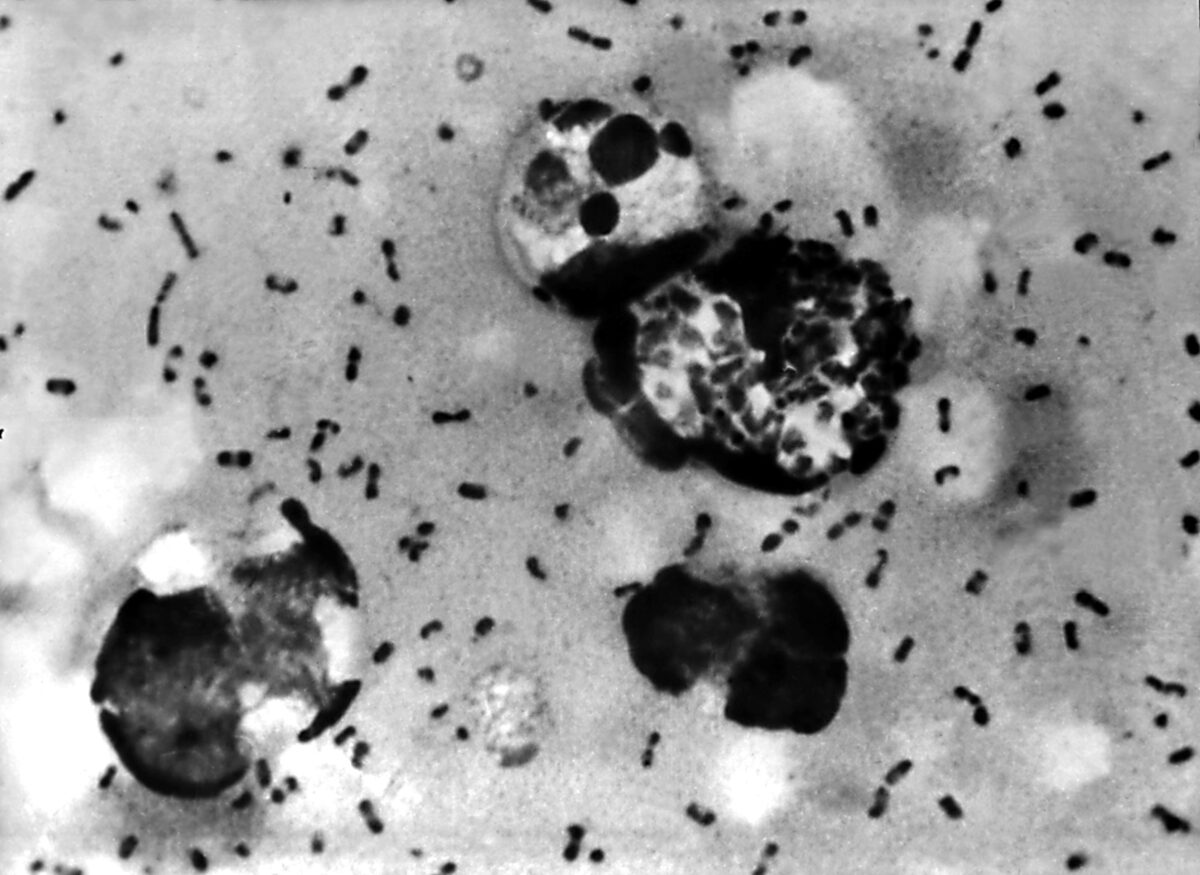
A Russian researcher at a plague laboratory has died, and the Russian government has responded, with the U.S. State Department on Tuesday calling for more transparency.
Russia has not confirmed whether the laboratory worker died of plague, attributing the death to pneumonia of unknown origin. On Oct. 6, Secretary of State Marco Rubio called on the Kremlin for more transparency.
Russian officials told the World Health Organization (WHO) on Oct. 6 that there are no plague cases in the Siberian city of Irkutsk, where the laboratory worker died last week. A WHO official read out Russia’s statement in a press briefing.
“No case of this dangerous disease has been recorded in the city of Irkutsk, Russian Federation,” WHO spokesperson Christian Lindmeier said at a Geneva press briefing on Tuesday.
What Is Pneumonic Plague?
Pneumonic plague is a severe disease caused by the bacterium Yersinia pestis when it enters the lungs, according to a fact sheet on the WHO’s website.
Pneumonic plague is the only type of plague that can spread from person to person via bacteria-containing droplets in the air, it said, warning that “any person with pneumonic plague may transmit the disease via respiratory particles to other humans.”
The illness can also be caused when a person has untreated bubonic or septicemic plague, which is caused by infected flea bites, that can then spread to the lungs, according to the U.S. Centers for Disease Control and Prevention.
Is It Fatal?
CDC health officials say pneumonic plague is the most severe form of the disease, noting that it can incubate in one day following inhalation of the bacteria-containing droplets.
If left untreated, the illness can be fatal, according to the WHO. A report published in the U.S. National Library of Medicine in 2020 says that the death rate of people with untreated primary pneumonic plague is nearly 100 percent.
“However, recovery rates are high if detected and treated in time (within 24 hours of onset of symptoms),” the WHO says on its website.
What Is the Difference?
Bubonic, septicemic, and pneumonic plague are all caused by Yersinia pestis, with their only difference being what part of the body is infected by the bacterium.
The bubonic plague is caused when bacteria enter the lymph nodes after an infected flea bite. It creates swollen lymph nodes known as buboes. The bubonic form is the most common and also most survivable, according to the Cleveland Clinic website.
When the bacteria enters the blood, it can cause septicemic plague, which is also caused by an infected flea bite. According to the clinic, septicemic plague can destroy tissue, leading to organ failure.
Pneumonic plague, which enters the lungs, can cause severe pneumonia, the clinic says. It is less common than the other two forms.
Another type of plague, called pharyngeal plague, is a rare infection in the throat that can occur when a person eats plague-infected meat, according to the Cleveland Clinic.
Can Plague Be Found in the US?
According to the CDC, around seven cases of human plague are reported each year, on average, across the United States. Most cases are reported in the western part of the country, mainly in New Mexico and Colorado.
Underscoring the rarity of the infection, the CDC noted that person-to-person transmission of plague hasn’t been reported in the United States since 1924.
In the United States, people generally get the bacterial infection after being bitten by an infected rodent flea or handling an infected animal, according to the CDC. Sick pets, namely cats, are also a vector for the bacterial infection.
The CDC on Oct. 1 issued a reminder to healthcare providers in the southwestern United States to be aware of plague symptoms after an Arizona man died of the bacteria in 2025 after being exposed to sick cats.