



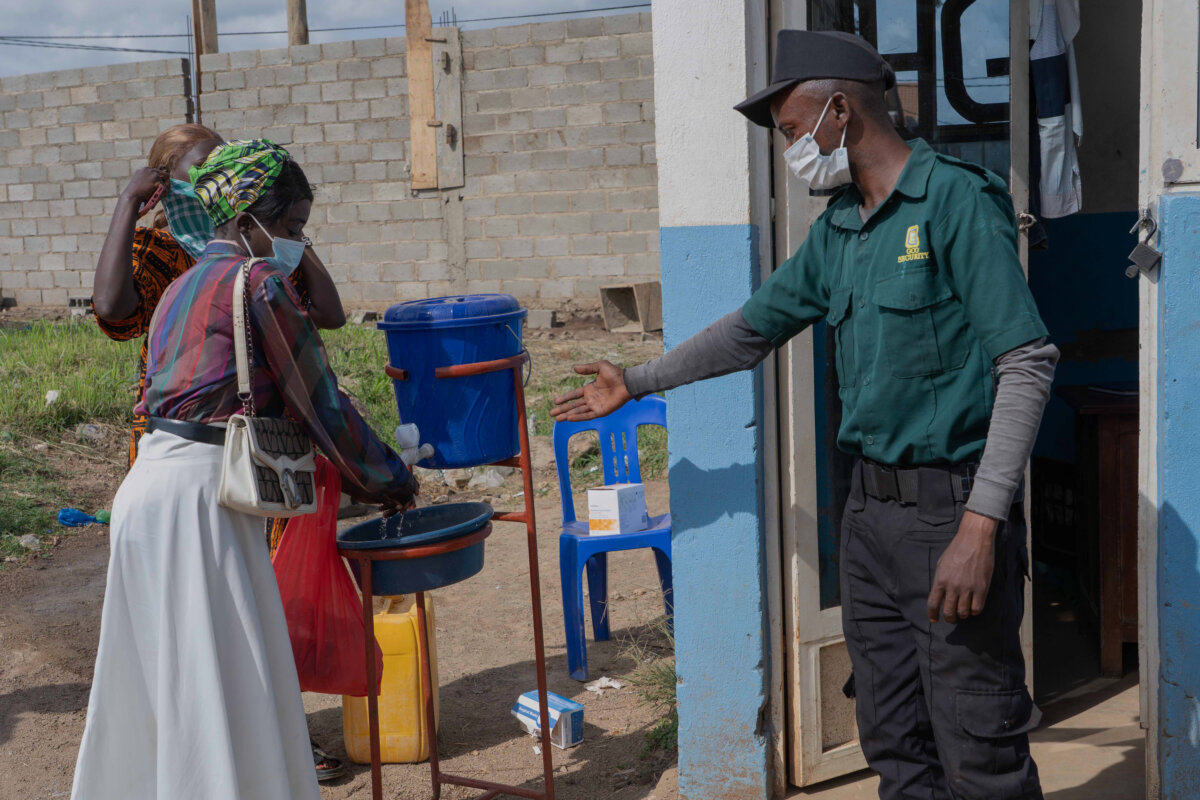
A new Ebola outbreak is spreading in central Africa, prompting officials around the world to take precautions to try to avoid the disease from entering their countries.
The outbreak is centered in Congo, a mostly landlocked country with a population of about 109 million people. Congolese authorities on May 19 said they suspect the outbreak has caused 136 deaths, and around 543 cases of Ebola.
Ebola is a disease that causes a range of symptoms, including fever and internal bleeding.
The disease has an average mortality rate of about 50 percent.
Here’s what to know about the outbreak.
Believed to Have Started Weeks Ago
The person believed to be the index patient died on April 20, Congolese health officials told the World Health Organization (WHO) this week.
Congo’s health minister, Samuel Roger Kamba, told other government officials during a May 19 meeting that the person was “probably already infected well before” officials learned about the case, and an investigation is underway.
The coffin holding that person was damaged, Kamba told a separate briefing later Tuesday. The person was placed in another coffin. It was “from this funeral ceremony that the virus exploded,” he said.
Since then, at least 135 other deaths are suspected to be linked to the outbreak, according to the latest figures from Congolese authorities. Most of the confirmed cases have been in Congo, although two were among people who traveled to Uganda. An American doctor has also tested positive.
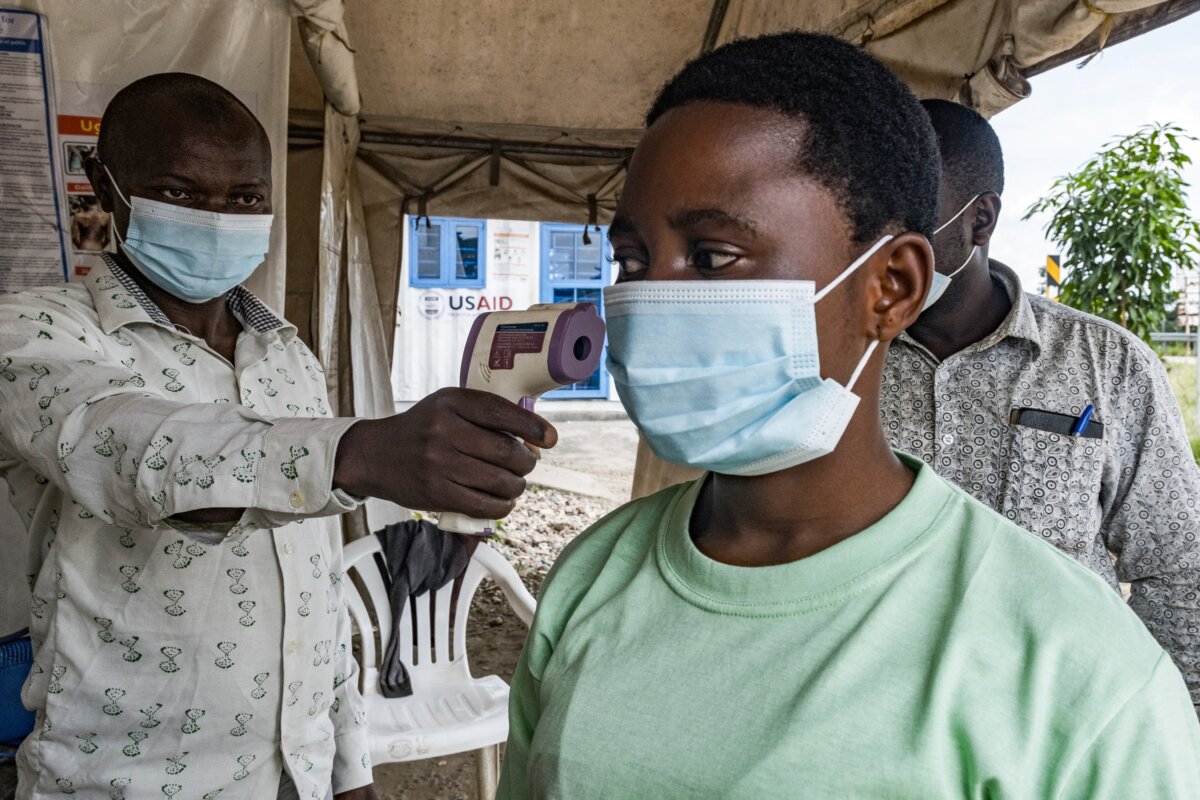
Dr. Anne Ancia, the representative for the World Health Organization (WHO) in Congo, told reporters on Tuesday that “we don’t have yet all the epidemiological link[s] to be able to say when this outbreak [started], what is the patient zero, or the index case.”
Given the scale of the outbreak, it probably started “a couple of months ago,” Dr. Anais Legand, a WHO public health officer, told a briefing on May 20.
Spread Undetected for Weeks
The Bundibugyo virus spread undetected for at least a few weeks, health experts and aid workers said.
“Because early tests looked for the wrong strain of Ebola, we got false negatives and lost weeks of response time,” said Matthew M. Kavanagh, director of the Georgetown University Center for Global Health Policy and Politics. “We are playing catch-up against a very dangerous pathogen.”
The first confirmation of Ebola did not come until May 14.
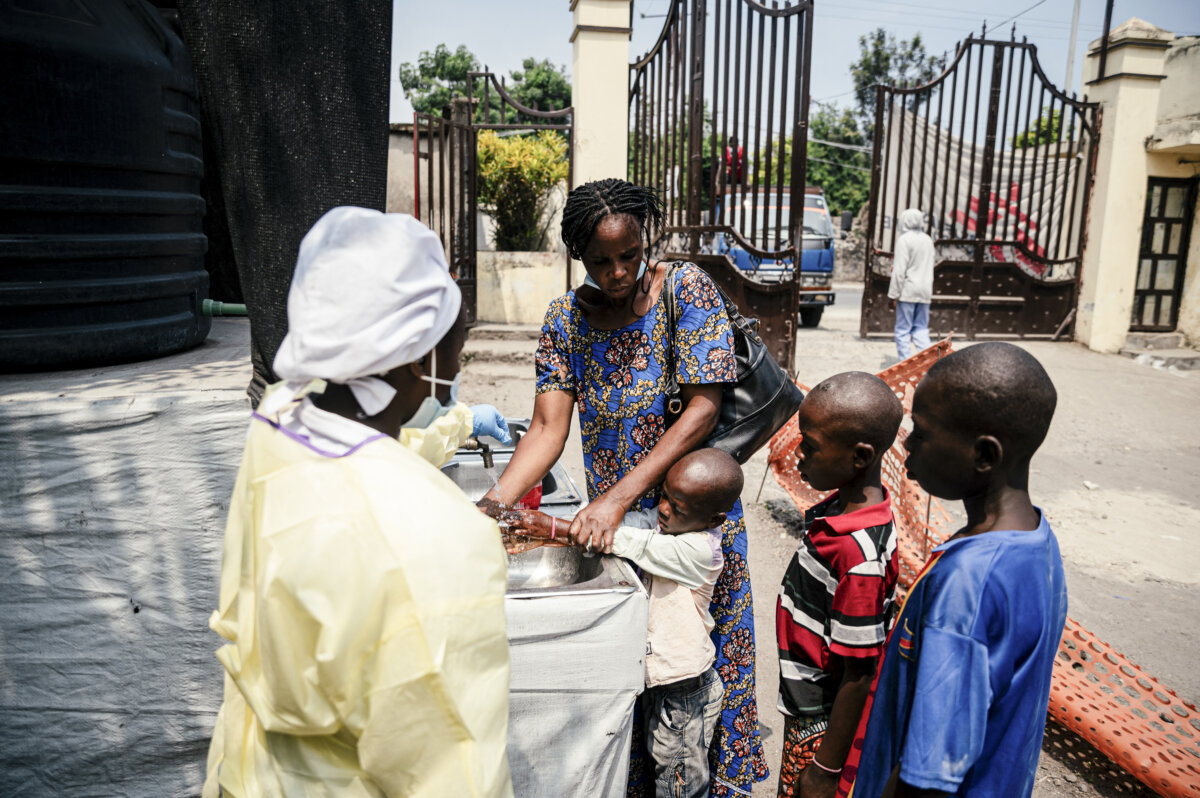
“The situation is quite worrying and is evolving pretty quickly,” Esther Sterk from the Medecins Sans Frontieres aid group said. “It was detected quite late.”
She said that was often the case with outbreaks of Ebola, which has similar symptoms to other tropical diseases.
Caused by Virus
Ebola is caused by orthoebolaviruses. The orthoebolavirus behind the current outbreak is the Bundibugyo virus, according to testing completed in Congo and Uganda.
No vaccines or treatments are available for the Bundibugyo virus.
Ervebo, a vaccine cleared for another Ebola virus, may end up being used for the outbreak, but “it would take two months for it to be available,” Ancia, the WHO’s representative, said on May 19.
Vasee Moorthy, a WHO senior adviser, indicated in a briefing on May 20 that it is possible to reformulate the vaccine to target Bundibugyo, but no doses are available, and it would take six to nine months to start testing the shot.
Merck, which manufactures Ervebo, did not respond to requests for comment.
Another candidate vaccine, developed by Oxford University and Serum Institute of India, could be available for trials in two to three months, but there is no preclinical data for the vaccine as of yet, according to Moorthy.
Congo was expecting shipments from the United States and the UK of an experimental vaccine for different types of Ebola, developed by researchers at Oxford, Jean-Jacques Muyembe, a virus expert at the National Institute of Biomedical Research, told reporters on Tuesday.
“We will administer the vaccine and see who develops the disease,” he said.
Scale of Outbreak
There have been 51 confirmed cases in the new outbreak, but the scale of the epidemic is “much larger,” Tedros Adhanom Ghebreyesus, WHO’s director-general, said on Wednesday.
“Beyond the confirmed cases, there are almost 600 suspected cases and 139 suspected deaths,” he said. “We expect those numbers to keep increasing, given the amount of time the virus was circulating before the outbreak was detected.”
Dr. Craig Spencer, an associate professor at the Brown University School of Public Health, who survived Ebola more than a decade ago after contracting the disease in Guinea, said that Ebola is “a disease of compassion” because “it impacts the people who are more likely to be taking care of sick folks.”
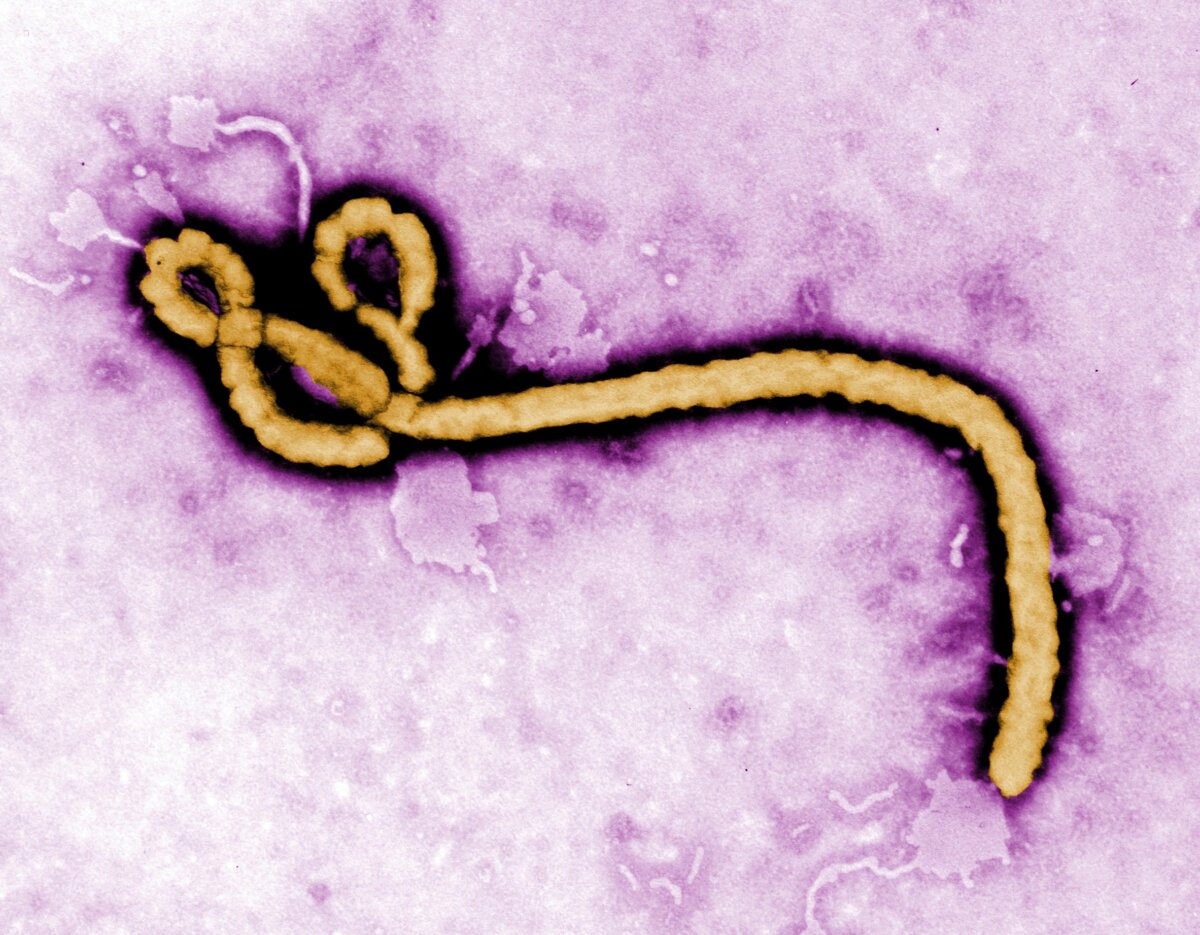
He added, “I suspect that the number of cases is going to go up pretty dramatically in the coming weeks as we do better surveillance and end up finding there were a lot more cases and probably a lot more deaths than we recognized.”
Although more than 20 Ebola outbreaks have taken place in Congo and Uganda since 1976, this is only the third time that the Bundibugyo virus has been detected.
The last Ebola outbreak took place in Congo in 2025. There were 64 cases, and 45 deaths. The largest Ebola epidemic took place in West Africa over several years, starting in 2014, with more than 28,600 cases and more than 11,300 deaths.
Other Countries Take Action
Ugandan authorities said there was no evidence that Ebola was spreading within the country, and said that surveillance has been heightened along its border with Congo.
Rwanda, which also neighbors Congo, closed its land border with the country over the weekend.
The U.S. government said on May 18 it would not let people who do not have U.S. passports and who have been to Congo, South Sudan, or Uganda in the past 21 days enter the United States.
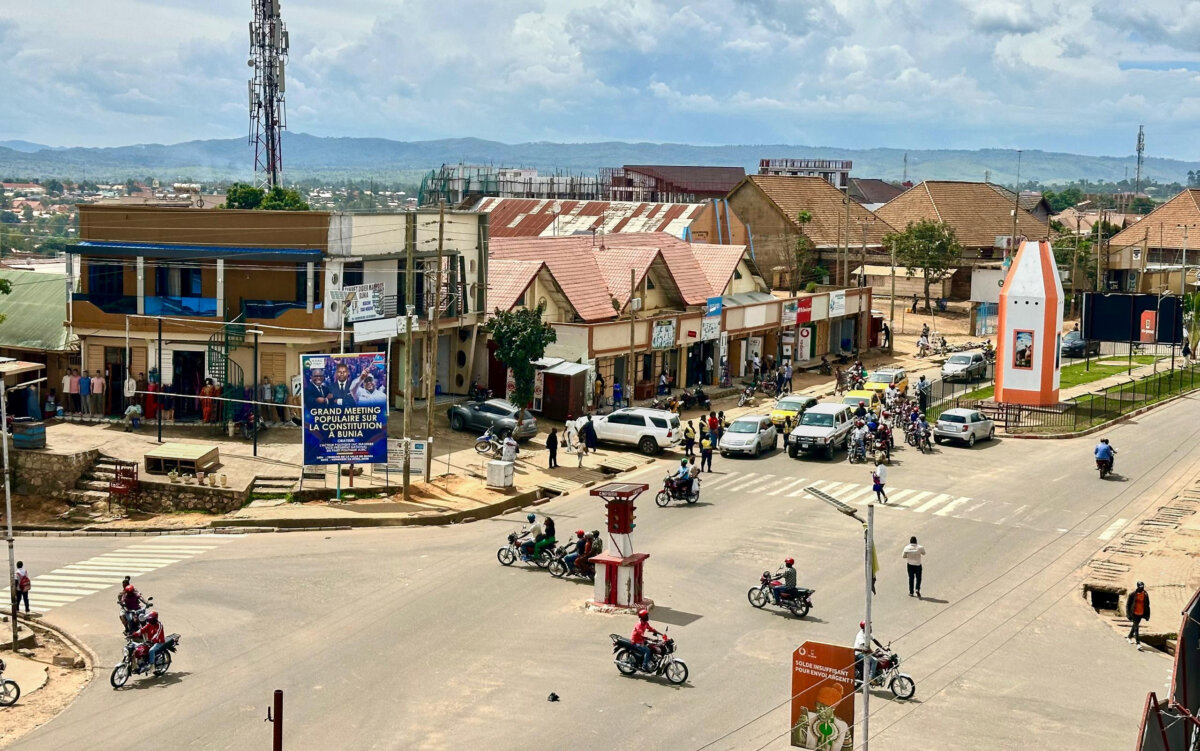
The order was imposed to try to prevent the introduction of Ebola into the country, officials said.
Other countries, such as Canada, have issued travel advisories but not imposed any travel restrictions.
The Associated Press contributed to this report.