



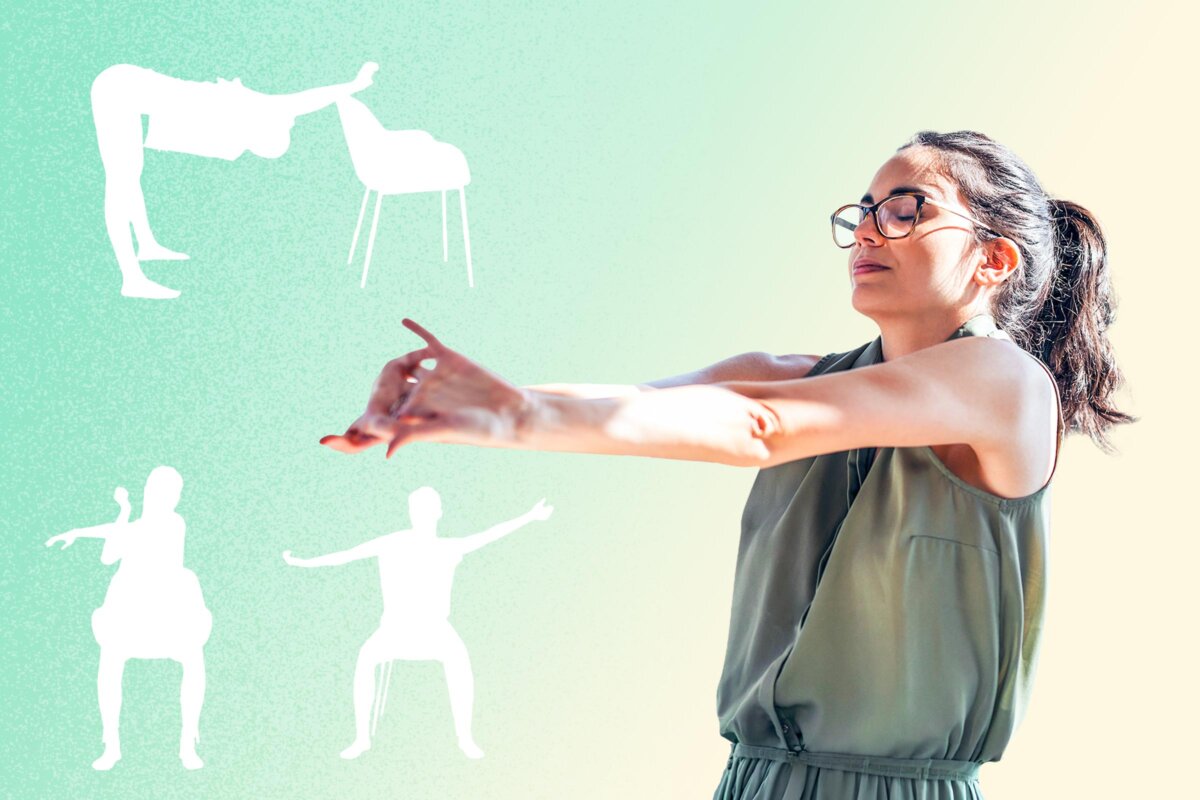
Neck and shoulder aches halfway through a sedentary workday may signal that your shoulder blades are part of the problem. Research shows that limited shoulder blade mobility is closely associated with this discomfort.
A 2023 study found that the prevalence of scapular dyskinesis, or abnormal shoulder blade movement, is high among office workers and that those with it are more likely to experience neck and shoulder pain.
However, another group of researchers reported that office workers with chronic moderate-to-severe neck and shoulder pain, lasting more than three months, who performed regular stretching exercises for four weeks experienced significant improvements in pain and quality of life.
They divided 96 participants into two groups: One group received only posture and ergonomic guidance, while the other group additionally performed neck and shoulder stretches twice a day, five days a week. The group doing regular stretches had significantly better neck function and overall health scores.
I’ve designed a quick, 10-minute routine to loosen things up—even in a small office space.
Neck and Shoulder Stretches for Office Workers
For those who spend long hours sitting at a desk, it’s important to actively improve scapular mobility. Here’s a simple neck and shoulder stretching routine that takes about 10 minutes:
1. Shoulder Shrugs
Tight shoulders and neck muscles can contribute to tension and discomfort. This exercise helps release muscle tension and improve mobility.
Step 1: Sit on a chair with your arms relaxed at your sides.
Step 2: Lift your shoulders up toward your ears as high as possible. Hold for 10 seconds, then drop them back down.
2. Head Turns
This exercise helps stretch and loosen neck stiffness and tension.
Step 1: Sit on a chair with your arms relaxed at your sides.
Step 2: Gently move your head right, left, up, and down, then tilt your head to each side. During side tilts, you can use the same-side hand to lightly press your head to deepen the stretch.
3. Arm-Across-Chest Stretch
This stretch improves upper-body flexibility.
Step 1: Sit on a chair with both arms extended horizontally to the sides, forming a 180-degree line.
Step 2: Bring your right arm across your chest. Bend your left arm to hold, and gently pull your right arm closer to your body. Turn your gaze to the right and hold for 10 seconds, then return to the center. Repeat on the other side.
4. Chest and Back Stretch
Poor posture and prolonged sitting can lead to chest tightness and upper back stiffness. This stretch helps open the chest, extend the thoracic spine, and relieve upper-body tension.
Step 1: Sit on a chair with a backrest around mid-chest height and gently support your head with both hands.
Step 2: Using the backrest as support, lean your upper body backward to extend your thoracic spine. Hold for 10 seconds, then return to an upright position.
5. Arm Twists
This exercise improves shoulder mobility, stretches the upper body, and relieves muscle tension.
Step 1: Sit on a chair with both arms extended horizontally to the sides, forming a 180-degree line. Make fists with your thumbs pointing upward.
Step 2: Rotate your right arm downward and your left arm upward. When you reach your limit, switch directions and continue alternating.
6. Shoulder Press Stretch
This stretch helps open the shoulders, lengthen the spine, and relieve tension throughout the upper body.
Step 1: Stand with your feet slightly wider than shoulder-width apart, knees straight, with a chair or table in front of you.
Step 2: Raise both arms overhead, keep your spine straight, then hinge forward from your hips. Place your arms on the chair or table and gently press your chest downward toward the floor.
7. Front and Back Arm Swings
This exercise can loosen the shoulder joints, stretch the chest muscles, and improve range of motion.
Step 1: Stand with your feet shoulder-width apart and extend your arms straight out to the sides at shoulder height.
Step 2: Swing your arms forward and backward, bringing them together to clap in front and behind your body.
8. Up and Down Arm Swings
This movement warms up the shoulders, improves mobility, and increases blood flow to the upper body.
Step 1: Stand with your feet shoulder-width apart and extend your arms out to the sides at shoulder height.
Step 2: Swing your arms up and down in a controlled motion.
9. Knee Push-Ups
This movement strengthens your chest, shoulders, and triceps while being easier on your core and wrists than full push-ups.
Step 1: Start in a kneeling position with your hands placed on a chair, shoulder-width apart. Keep your back straight.
Step 2: As you inhale, bend your elbows and lower your upper body toward the chair. As you exhale, push through your hands to straighten your arms and return to the starting position. Keep your back straight throughout the movement.
10. Side Bends
This exercise improves spinal mobility and stretches the obliques and sides of the body.
Step 1: Stand with your feet together and arms relaxed at your sides.
Step 2: Raise your right arm and bend your body to the left. Hold for 10 seconds, then return to the starting position. Then raise your left arm and bend to the right. Alternate sides.
11. Standing Trunk Twists
This exercise improves thoracic spine mobility, stretches the obliques, and helps release tension in the mid and upper back.
Step 1: Stand with your feet shoulder-width apart and place your hands in front of your chest.
Step 2: Rotate your upper body to the right until your gaze is behind you. Hold for 10 seconds, then return to the center. Repeat on the left side, alternating sides.
12. Windmill Exercise
This dynamic movement enhances hamstring flexibility, core stability, shoulder mobility, and thoracic rotation all in one exercise.
Step 1: Stand with your feet wider than shoulder-width apart. Extend both arms to the sides. Hinge forward at the hips to about 90 degrees, keeping your back straight.
Step 2: Rotate your upper body to the right and bring your left hand toward the floor. Then rotate to the left, bringing your right hand toward the floor. Keep your arms extended throughout the movement and alternate sides.