



Japan, due to its geographical conditions, frequently experiences natural disasters, particularly earthquakes. To enhance preparedness, local governments hold disaster drills every two months or so, customizing these exercises to address the unique risks associated with each region. These drills cover essential information on the nature of different disasters, emergency response strategies, and crucial safety knowledge.
Below are five practical guidelines and recommendations for effectively responding to natural disasters:
Plan Ahead and Gather Essential Supplies
After a disaster strikes, essential utilities such as electricity, water, gas, and transportation may be disrupted. Therefore, it is crucial to stock sufficient food and supplies to last anywhere between three days to a week.
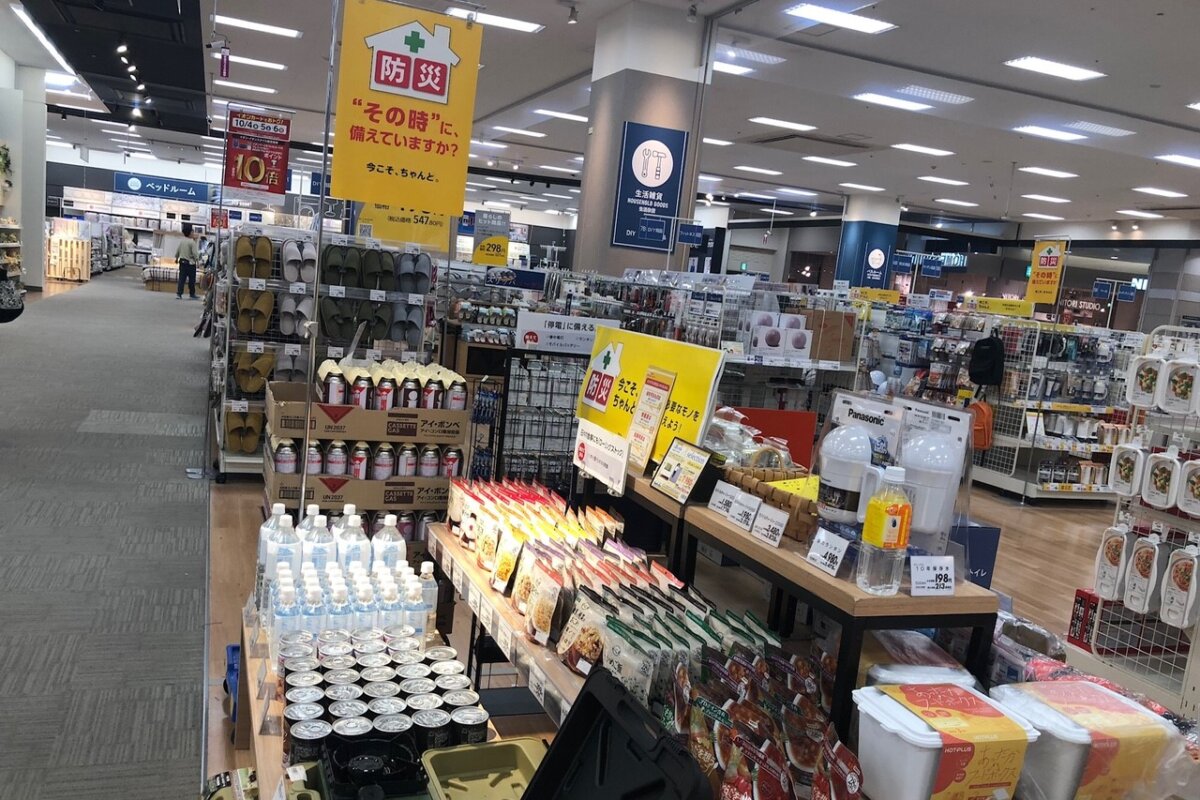
You can stock up on supplies by choosing foods you enjoy to ensure you will eat them.
In addition to specialized emergency drinking water, you can also include your favorite beverages, such as energy drinks (see the detailed food list here).
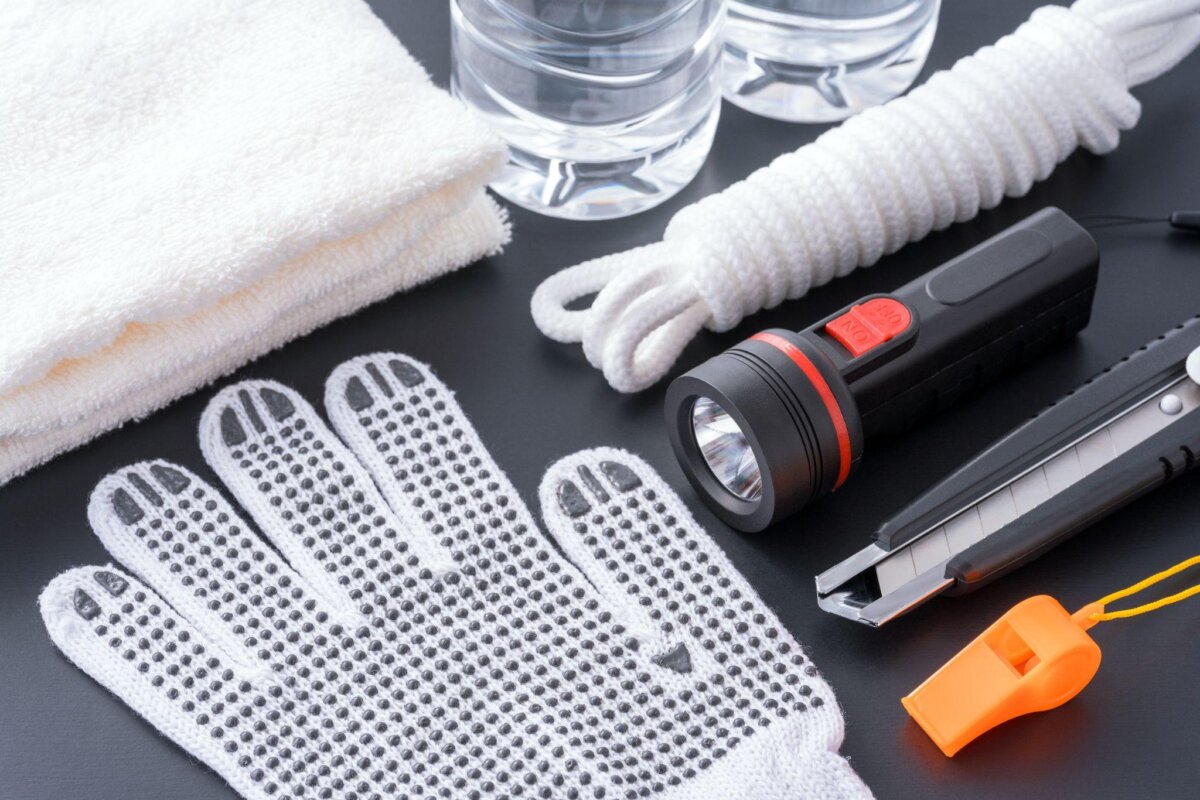
Essential items should also encompass personal medications, a first aid kit, tissues, wet wipes, feminine hygiene products, lighters, garbage bags, gloves, and a portable gas stove with fuel canisters for cooking and boiling water.
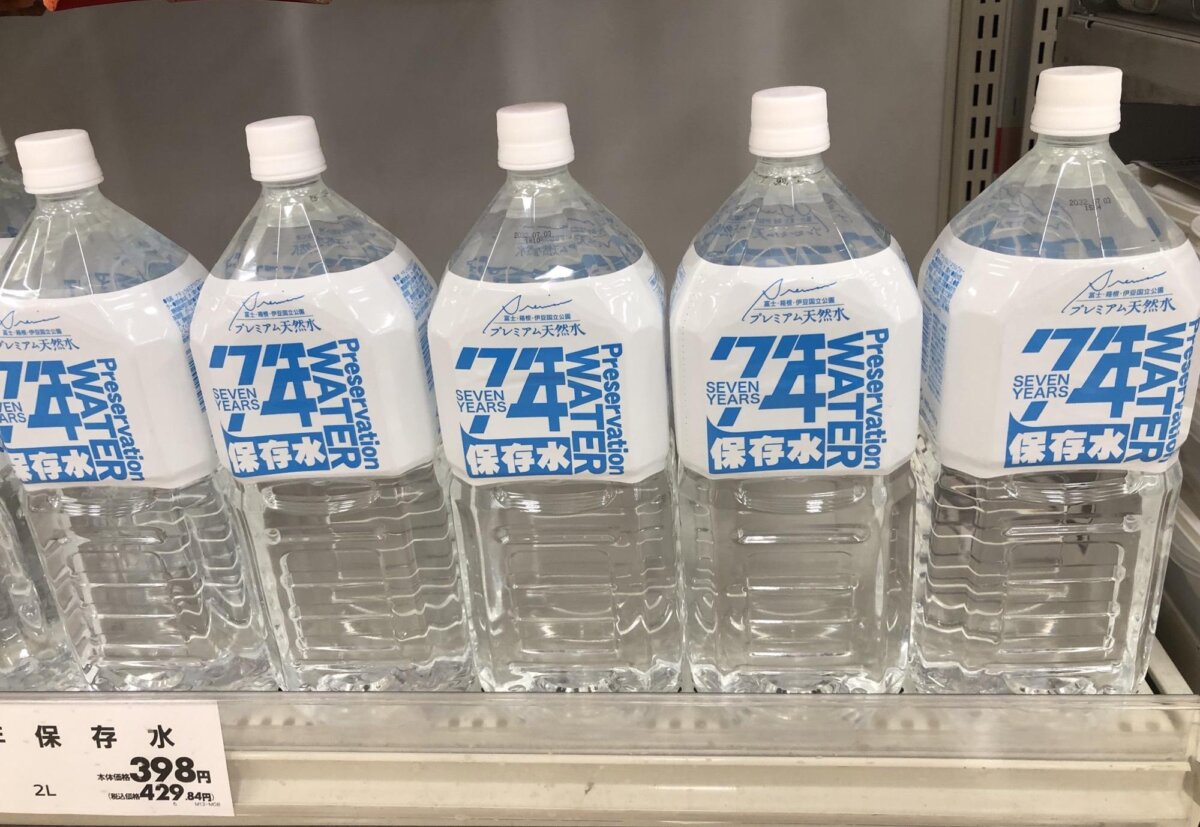
Adopting a First-In, First-Out (FIFO) approach is highly recommended. This means using items that are approaching their expiration dates first and replacing them with fresh supplies as necessary to maintain an effective stockpile.
In the event of a disaster, you may need to relocate to an evacuation center, making it crucial to prepare a “grab-and-go bag.” This bag should contain the minimum necessary supplies, tailored to the size and needs of your family. It should be stored in an easily accessible location for quick retrieval. Alternatively, each family member can pack their own bag to ensure everyone has the essentials they need, even if they become separated during evacuation.
Essential items to include:
- Cash, identification cards, and bank passbooks (a physical notebook held by bank account holders)
- A change of clothes
- Three days’ worth of emergency food and water
- A flashlight with batteries of various types
- Medications and a portable first aid kit
- A portable toilet and toilet paper
- Infant supplies, such as diapers and formula
- A multi-tool or can opener, lighter, and tissues
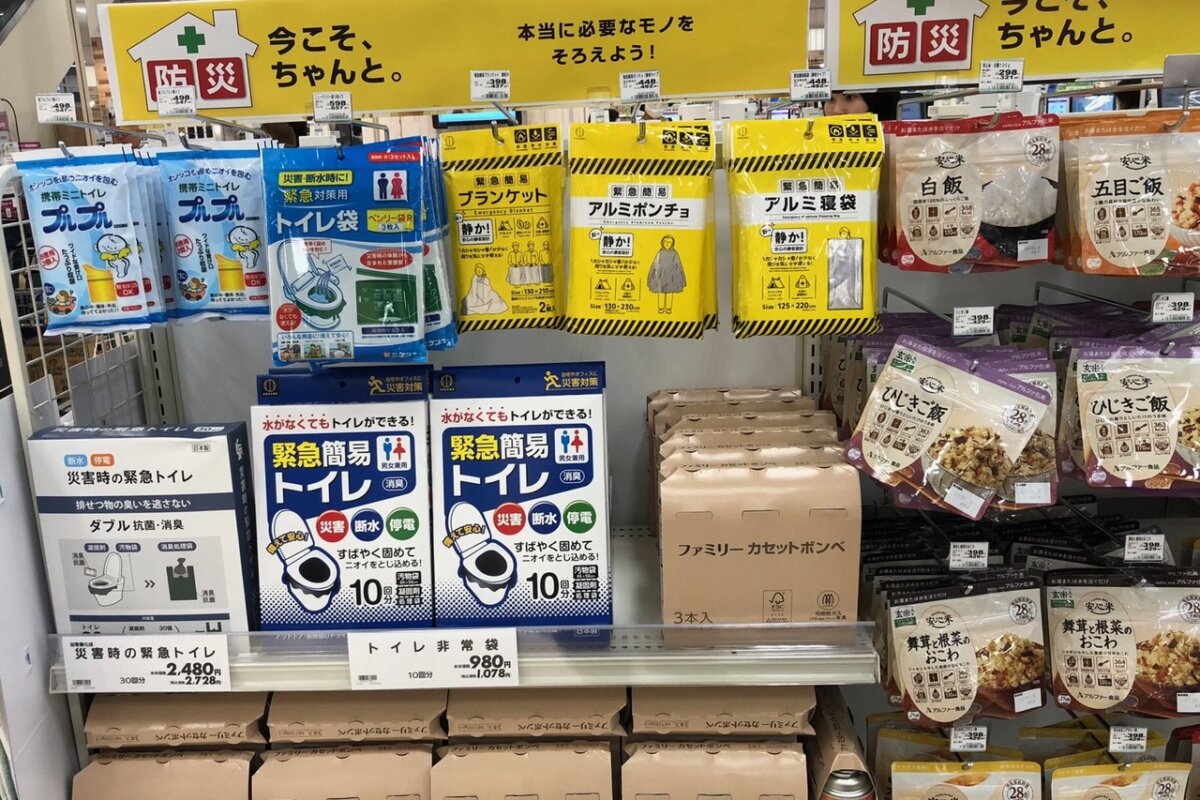
You can purchase large-capacity backpacks from malls or online retailers. After gathering the necessary items for evacuation, weigh the pack to ensure it is light enough to carry comfortably.
It is also advisable to prepare a personal emergency bag that includes essential medications, a phone charger, identification documents, and other necessities. Keep this bag with you at all times to remain prepared in case a disaster occurs while you are away from home. Regularly check its contents to keep track of what’s inside.
Plan Your Evacuation Route in Advance
The timing of evacuations and the safety of routes to evacuation sites may vary depending on the type of disaster. It is critical to review the hazard map issued for your area to assess risk levels surrounding your home and to identify nearby evacuation sites.
In addition to your home, you should also evaluate potential evacuation sites near other important locations, such as your workplace, family homes, or friends’ residences. Understanding specific risks—such as floods, landslides, or tsunamis—will help you choose the most appropriate evacuation site based on the nature of the disaster.
Evacuate Safely When Disaster Strikes
When a disaster occurs, daily life can be significantly disrupted. In certain seasons, the lack of air conditioning or heating can pose life-threatening risks. In such situations, it is imperative to take your “grab-and-go bag” and head to a temporary evacuation site, such as a nearby school or community center. Japan’s schools and public facilities are equipped with designated shelters to ensure the safety of children.
It is equally important to agree on a predetermined meeting point with family and friends. The Disaster Emergency Message Board (web171) allows users to post messages online to stay connected during emergencies. Additionally, foreign residents in Japan can seek assistance from their embassies.
Stay Informed With Reliable Updates
In Japan, there are many websites and apps that provide disaster preparedness information in multiple languages. For example, the Japan Meteorological Agency offers disaster weather information, while the Japan Tourism Agency has developed apps specifically for tourists. These resources are easily accessible via smartphones. Regularly browsing these resources helps you become familiar with them, ensuring that, in the event of a disaster, you can quickly access accurate information.
The Japan Meteorological Agency also hosts a multilingual disaster information portal on its official website, offering alerts for earthquakes, tsunamis, volcanic activity, floods, and other weather-related hazards.
Additionally, a free app developed under the supervision of the Japan Tourism Agency delivers disaster notifications across Japan. This app supports emergency alerts—such as earthquake early warnings, tsunami alerts, and evacuation information—in 15 languages.
Locate Support Services Available to Foreign Visitors
To bolster disaster preparedness among potential victims, local governments across Japan actively engage with foreign visitors and residents to raise public awareness.
You can contact your local city hall to inquire about which departments provide disaster-related assistance. Certain municipalities offer a Visitor Hotline—a dedicated call center offering multilingual support 24/7, year-round. This service can be helpful for both tourists and foreign residents facing emergencies, such as illness or disasters, while traveling in Japan.
Support is available in English, Chinese, and Korean through the hotline at 050-3816-2787.
Familiarizing yourself with your city’s disaster preparedness measures and understanding the risks in your area can help you stay calm and facilitate a smoother evacuation when disaster strikes.