



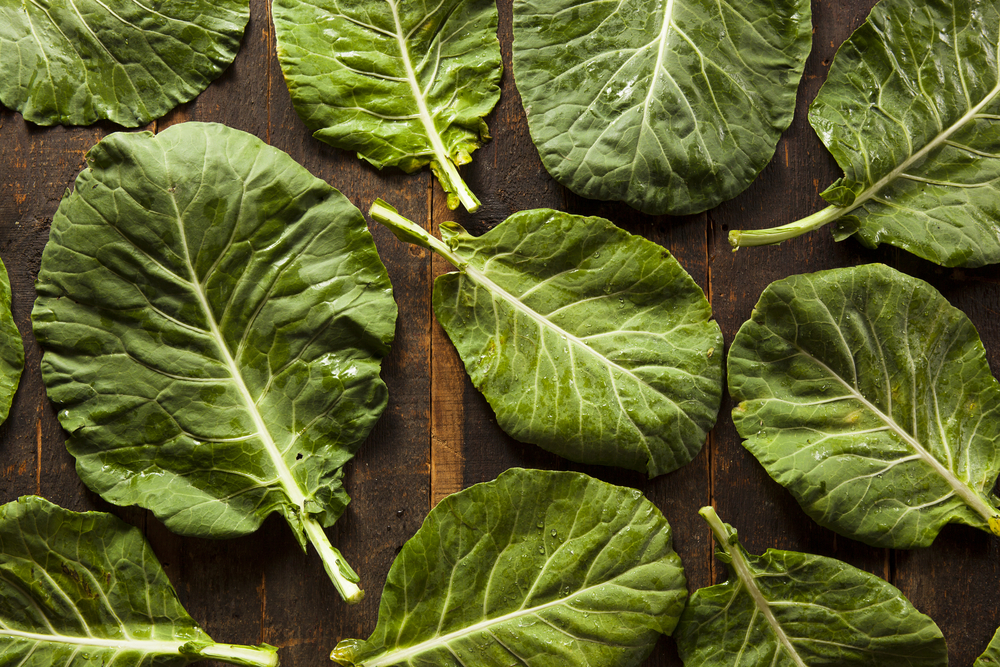
A large-scale study has found that people who eat a diet rich in vitamin K1, found in green leafy vegetables, have up to a 31 percent reduced risk of fractures and are 50 percent less likely to be hospitalised.
The researchers at Edith Cowan University’s Nutrition and Health Innovation Research Institute examined 1,400 older Australian women over 14.5 years.
Published in Food & Function, their paper revealed that women who ate over 100 micrograms of vitamin K1—equivalent to 125g of dark leafy vegetables or one-to-two serves of vegetables—were 31 percent less likely to have any fractures compared to those who ate less.
When those with broken hips consumed the most vitamin K, they reduced their risk of hospitalisation with a fracture by 49 percent.
“Our results are independent of many established factors for fracture rates, including body mass index, calcium intake, Vitamin D status, and prevalent disease,” study lead and nutritionist Marc Sim said.
“Basic studies of vitamin K1 have identified a critical role in the carboxylation of the vitamin K1-dependant bone proteins such as osteocalcin, which is believed to improve bone toughness.”
A report from the Centers for Disease Control and Prevention found that 27.5 percent of older Americans reported falling in 2018. Falls are a leading cause of injury among the elderly, and some falls result in serious injury. In many cases, recovering from a fall is a significant hardship.
Vitamin-rich Foods
There are two types of vitamin K found in foods we eat.
Vitamin K1, the most common form, comes primarily from plant foods, while K2 is only found in animal foods and fermented plant foods such as cheese, beef, and natto, a Japanese dish made from fermented soybeans.
Apart from being instrumental in making healthy bones, vitamin K is also critical for reducing bleeding by thickening the blood when we are injured. In fact, the K comes from the German word for blood clotting, koagulation.
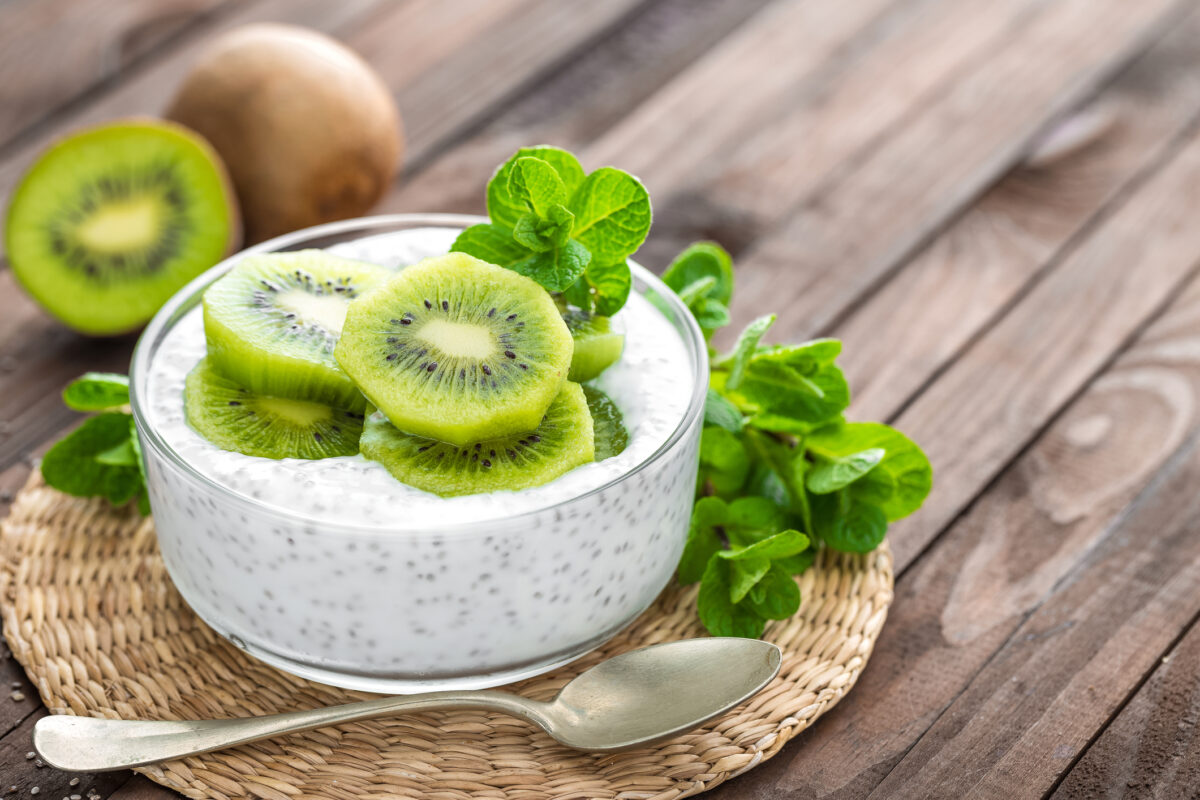
Sim says that meeting the ideal daily intake of 100 micrograms of vitamin K1 isn’t difficult to do. For example, one cup of raw spinach contains 145 micrograms.
“Consuming this much daily vitamin K1 can easily be achieved by consuming between 75-150g, equivalent to one to two serves, of vegetables such as kale, broccoli, and cabbage,” he said.
Currently, existing evidence does not support the need to take vitamin K supplements even though they are on the market, and guidance from a healthcare professional is advised.