



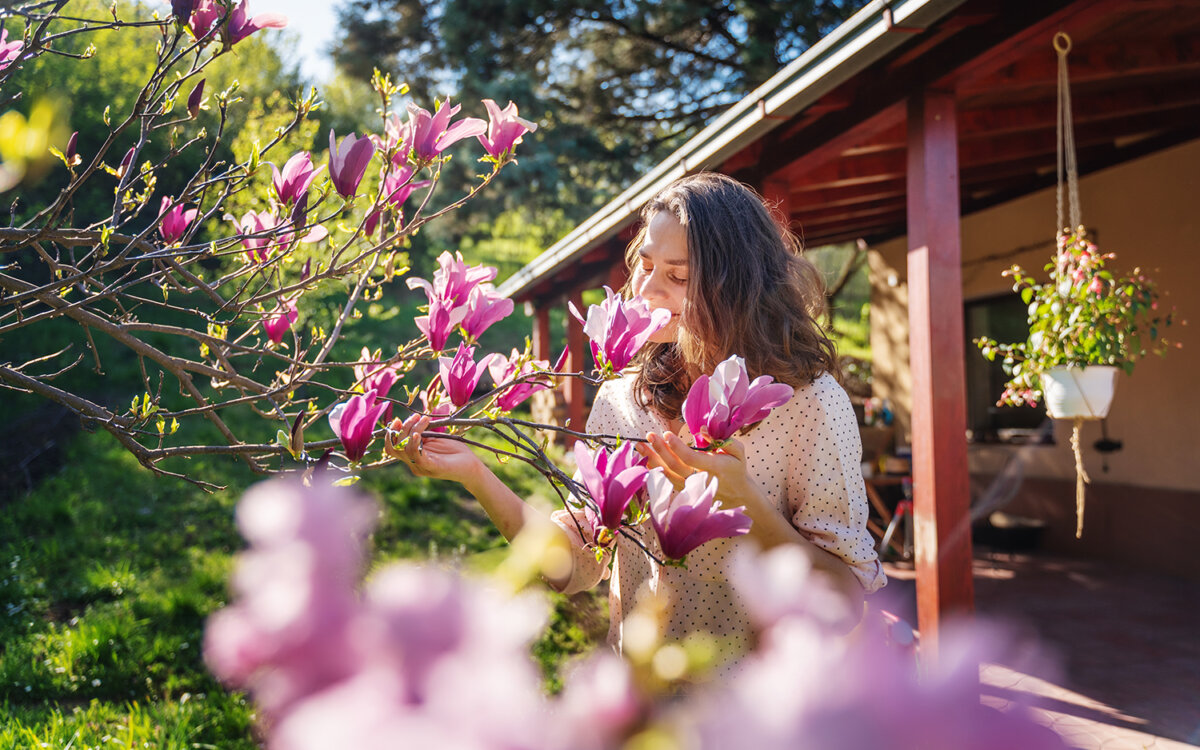
The days are getting longer, the air warmer, and the birds are returning from their southern winter retreat. By mid-March, even a “winter-lover” like me is ready for spring.
I can’t wait to get back into my garden and eagerly await the first blooming daffodils, budding forsythias, and sprouting radishes. Outdoors and in the house, it is time to welcome colors back with a hurrah!
Opening your windows to air your bedsheets, greeting birds with a feeder, or taking time for a creative DIY project welcomes springtime and helps you embrace the season of optimism, energy, and joy.
Bring Nature Indoors to Enliven the Senses
Looking to boost your overall performance and enhance your mental well-being? Spring brings a literal breath of fresh air—nature blossoms, and with it, all our senses come alive.
Spring marks the transition from indoor activities to outdoor living, but some days can still be chilly and not ideal for being outside. Here are five tips to bring nature into your home to help you recharge your senses and thrive!
1. Vision
Seeing fresh flowers brings spring to life and uplifts your spirits.
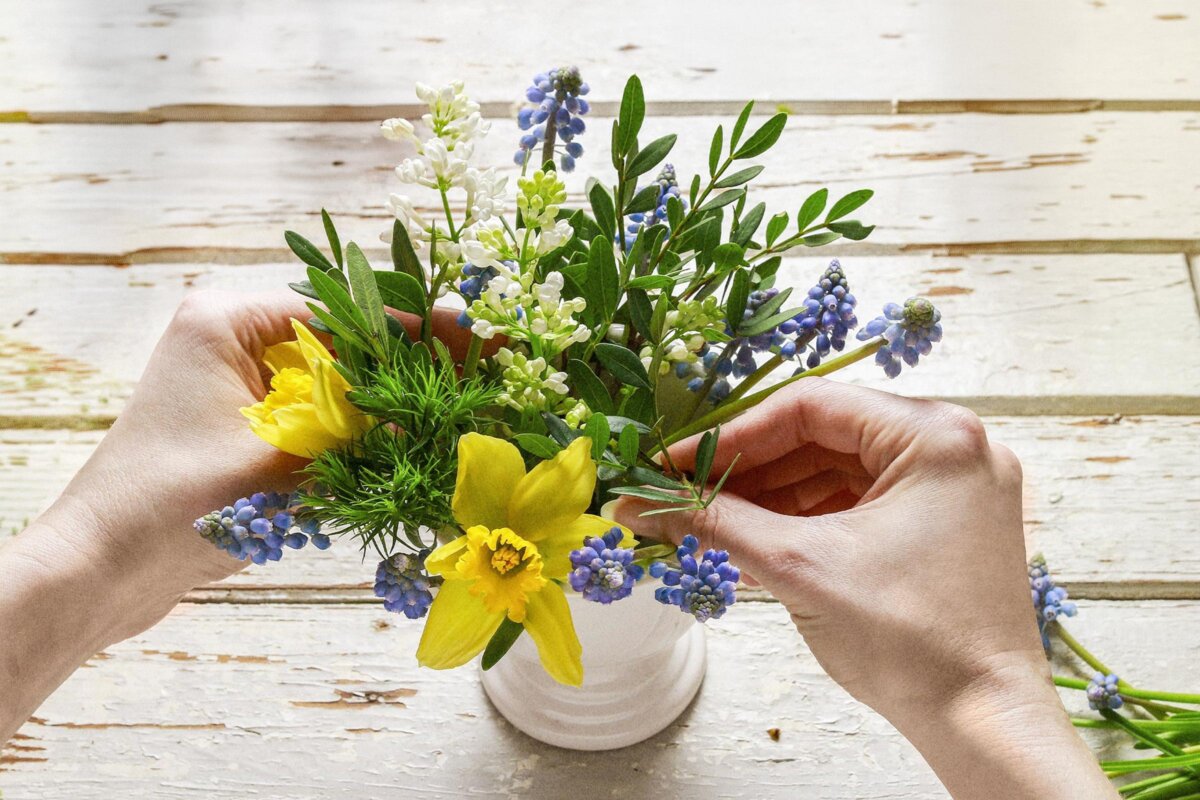
Hearty hellabores are the first to awaken, along with early-spring bulbs such as snowdrops, crocuses, hyacinths, daffodils, and tulips. You needn’t have your own garden to bring these sweet-smelling beauties into your home—the latter three are widely available in stores.
Bringing spring’s fresh blooms into your home can significantly improve your mood and well-being. A 2021 study published in the International Journal of Environmental Research and Public Health found that meditating on yellow or red flowers for as short as three minutes reduces stress.
Researchers noted that yellow flowers elicited a greater sense of relaxation than red or white flowers. However, all flowers had a positive overall effect on health. And, of course, flowers appear at their best in decluttered surroundings, which come with health benefits of their own.
A 2025 study published in the Journal of Environmental Psychology found that having a cluttered home can negatively affect well-being. In fact, “greater home beauty was itself associated with better well-being.” The study’s findings may motivate you to remove dust, clutter, and potential allergens from your indoor environment, which goes hand in hand with healthier indoor air quality.
2. Smell
Spring cleaning is not an outdated “ritual” our grandparents performed. In addition to improving functionality, it can also have a psychological effect.
Clearing the air of musty scents can include washing the windows with special care to the sills, as mold can grow over winter due to condensation. Mold, dust, and pollen are just some of the indoor air pollutants mentioned in a 2024 review that adversely affect respiratory health.
Giving your home a good spring polish—washing curtains, deep-cleaning carpets, or dusting frequently overlooked areas—helps remove allergens and reduce harmful airborne particles.

To revive freshness, a simple homemade vinegar cleaning solution, made with equal parts white vinegar and water, will refresh your home naturally. Alternatively, you can add a few drops of dish soap or essential oil to cut grease and add a springtime aroma to your home. However, avoid sweet-smelling cleaners, as they can attract unwelcome pests.
Did you know that your body sheds up to 24 ounces of water weight every night? Normal “nocturnal sweating” occurs through perspiration and respiration, creating a warm, humid microclimate under your sheets, which is ideal for mold spores and mites and can also create a musky smell in your bedroom.
Allowing fresh spring air into your bedroom reduces humidity and helps minimize critters and fungi. Opening your windows, shaking out your sheets, and leaving your mattress uncovered for a few hours each day can freshen your bedding and improve sleep quality. There is nothing quite like the scent of line-dried sheets in the springtime.
Naturally, other rooms also benefit from the exchange of stale air for the refreshing scent of nature reawakening.
[series_posts_list][/series_posts_list]
3. Hearing
While snow brings a hush to the winter landscape, spring’s chitter-chatter of lively birds reawakens our senses to nature’s sounds.
Hearing birdsong is exceptionally good for our health—it can reduce stress, anxiety, and mental fatigue while improving mood and cognitive function.
A 2024 study published in The Lancet Planetary Health on the relationship between birds and human well-being found that not only did people’s mental health improve with birds in their environment, but the diversity of wildlife also mattered.
Adding bird feeders to your garden, porch, or balcony invites a diverse array of wildlife, including downy woodpeckers, northern cardinals, chickadees, blue jays, house finches, tufted titmice, and some ground-feeding mourning doves, depending on where you live.

To find the right bird feeder to attract backyard birds in your area, visit CornellLab’s All About Birds.
4. Touch
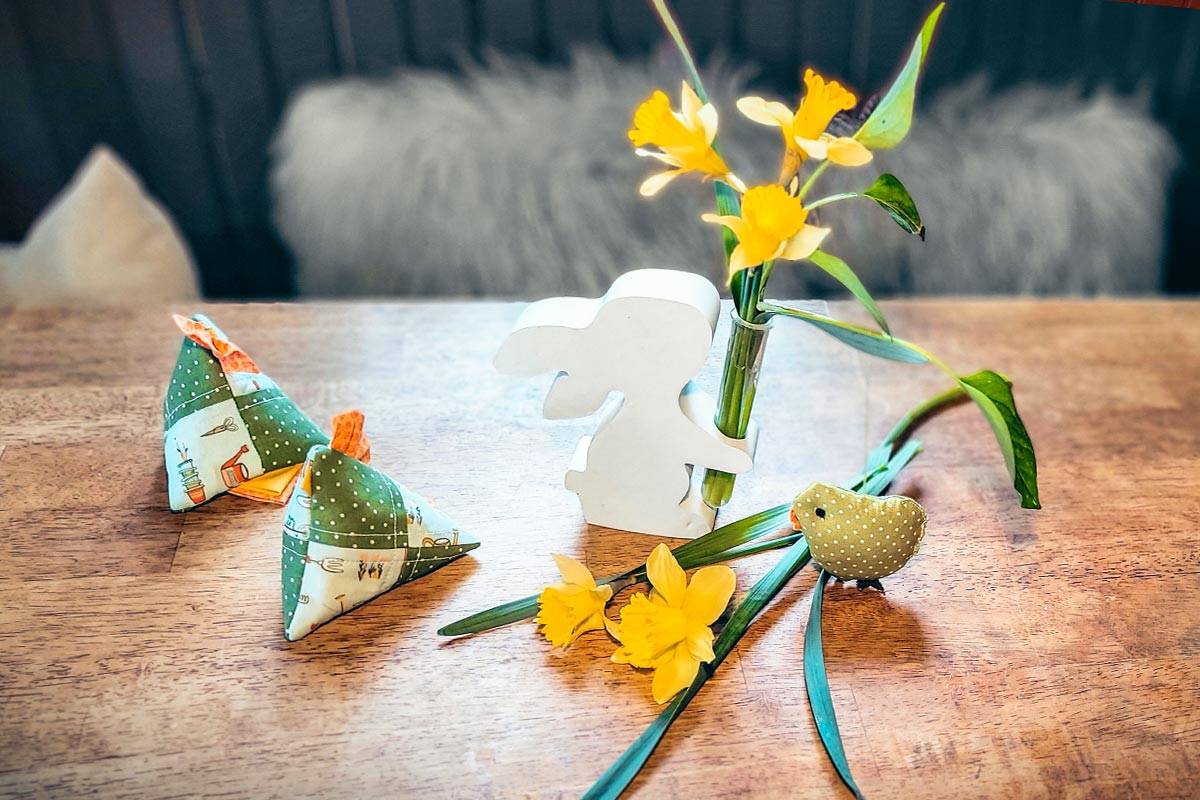
Springtime is a wonderful time to engage in projects made with your hands. Activities such as arranging flowers, starting a sewing project, exploring paper crafts, or trying creative cooking can all be spring-themed and enhance mental well-being simultaneously.
This spring, I’m focusing my DIY projects on sewing, creating a quilted spring table runner, chicken pincushions, and hanging Easter decorations.
Drawing and painting are also great ways to express yourself, bringing spring into the house as wall decor and boosting your happiness.
Mixed in with the chilly days, perfect for indoor spring projects, are ever-warmer, sunnier days. Contact with nature through gardening, hiking, or walking with your dog can boost your vitamin D levels, increase your creativity, and improve your mental health. A 2018 research summary on the health benefits of urban trees and green space by the U.S. Department of Agriculture emphasizes the value of being outdoors for health and well-being.
5. Taste
Have you ever thought about tasting spring? Herbs of the mint family, such as lemon balm, catnip, peppermint, or spearmint, are the first to emerge after a long winter. Along with thyme, oregano, and tarragon, they make a delicious spring tea.
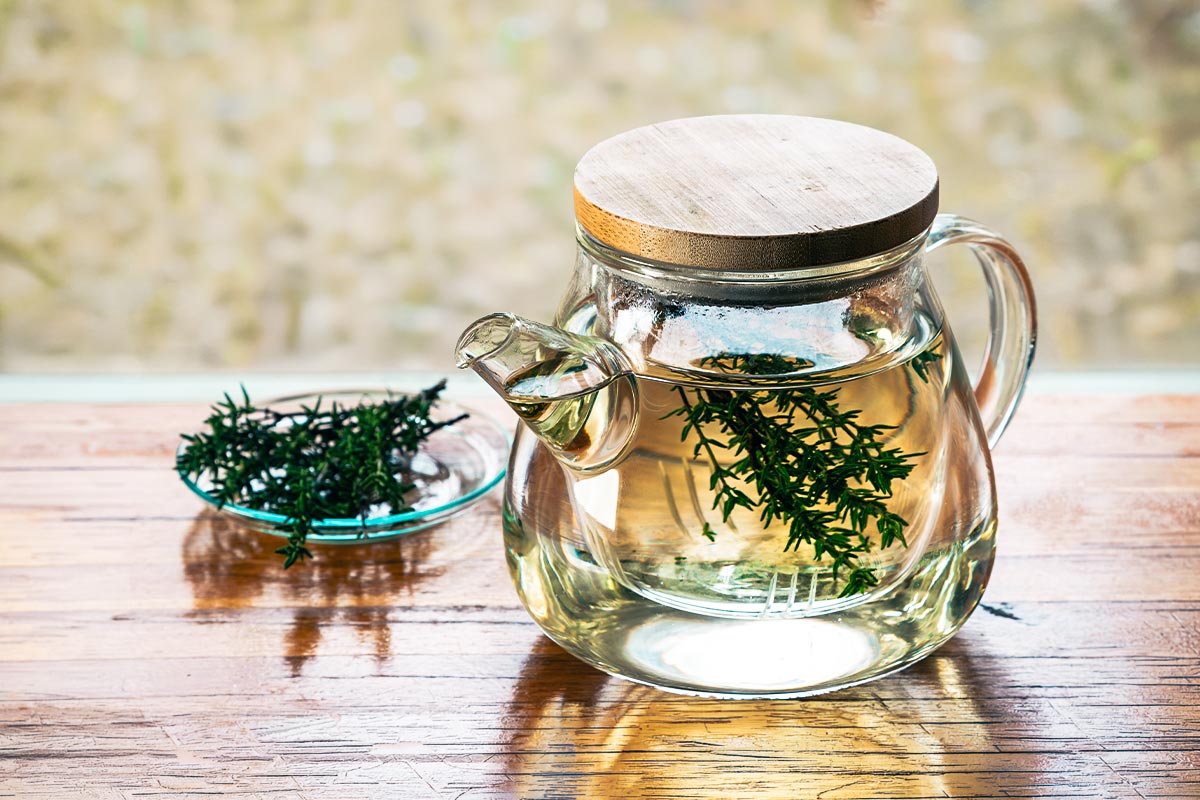
See what has survived the cold in the garden, pick the newest shoots, rinse off any debris, add them to a strainer or directly into a cup, and brew with boiling water. After 10 minutes, remove the herbs, add a little of your favorite sweetener (or not), and enjoy the taste of spring.
You can bring the first foods of spring to your table by reinstating your winter-paused trips to the local farmers market, where you’ll find fresh seasonal options available locally only at this special time of year.
Regardless of the option you choose to enhance your five senses this spring—whether it’s a single activity or a combination, like building your own bird feeder—each choice will refresh your mind and body while boosting your mood.