



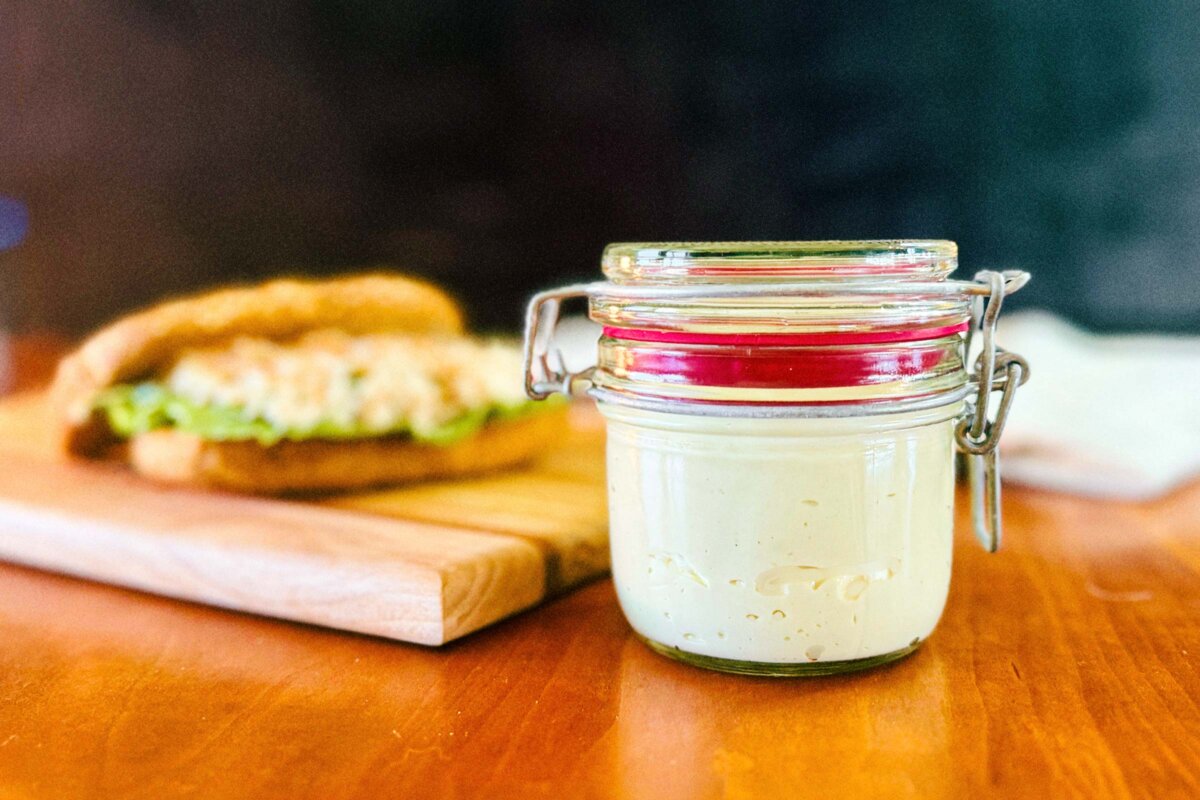
First developed in 1756, mayonnaise began as a simple emulsion of egg, acid, and olive oil. Today, it has become one of the biggest delivery vehicles for refined seed oils in the American diet—even when the front label says, “Made with olive oil.” Turn that jar around, and you will often see soybean oil, canola oil, or both in the ingredient list alongside olive oil.
What Are Seed Oils?
Seed oils are highly processed vegetable oils extracted from seeds such as soybeans, canola, corn, sunflower, safflower, grapeseed, rice bran, and cottonseed. These oils are high in omega‑6 fatty acids, including linoleic acid. While the body needs some omega‑6, modern diets deliver far more than we are designed to handle, often crowding out anti‑inflammatory omega‑3 fatty acids.
In modern diets, seed oils are nearly everywhere, from restaurant frying oil to packaged snacks, salad dressings, and many “healthy” foods. Seed oils undergo heavy chemical refining, and in restaurants, they are often heated to high temperatures and reheated repeatedly. When seed oils are overheated and reheated, they break down, forming harmful compounds, including oxidized fats and toxic aldehydes. These damaged molecules can increase oxidative stress and place a burden on the body.
Constant exposure to seed oils has pushed the omega-6 to omega-3 ratio from our ancestral ratio of about one-to-one to as high as 20-to-one today.
Some research suggests that replacing other fats—mostly saturated fats—does not raise inflammation markers. However, these studies usually tested seed oils in controlled settings with relatively low overall seed oil intake. They did not examine the ultra‑processed, fried‑food‑heavy pattern many people follow day to day. More recent research links a higher omega-6-to-omega-3 ratio to an increased risk of death from all causes.
Making homemade mayonnaise lets you choose your oil, and with an immersion blender and a wide-mouth mason jar, the whole process takes less than two minutes.
Why the Right Oil Matters
Choosing the right oil matters more than any other ingredient in homemade mayonnaise. For a neutral flavor, avocado oil is excellent for mayonnaise, although a light olive oil works well, too.
- Fruit-Based: Olive and avocado oils are pressed from the flesh of a fruit, not extracted from seeds.
- Oleic Acid: Both oils are naturally rich in this stable monounsaturated fat and relatively low in linoleic acid compared with common seed oils.
- Built-In Antioxidants: Extra virgin olive and avocado oils contain natural compounds that help protect the oil from oxidation and support the body’s defenses against oxidative stress, which can damage cells.
- Cold-Pressed Preferred: Cold‑pressed oils are extracted at lower temperatures, which helps preserve more antioxidants and delicate compounds that can be lost with the friction heat generated during expeller pressing.
- Smart Packaging: Small, dark glass bottles keep oil fresh longer by shielding it from light and oxygen, two key drivers of oxidation and rancidity.
With the right ingredients, you will have delicious mayonnaise in just a few minutes.
How to Make Seed Oil-Free Mayonnaise
Make this rich, creamy mayonnaise for sandwiches, burgers, and tuna or chicken salad. Enjoy it classic, or try the chipotle and herbed variations below.
Total Time: 5 minutes
Equipment Needed:
Immersion blender and wide‑mouth pint jar
Makes about 1 1/4 cups
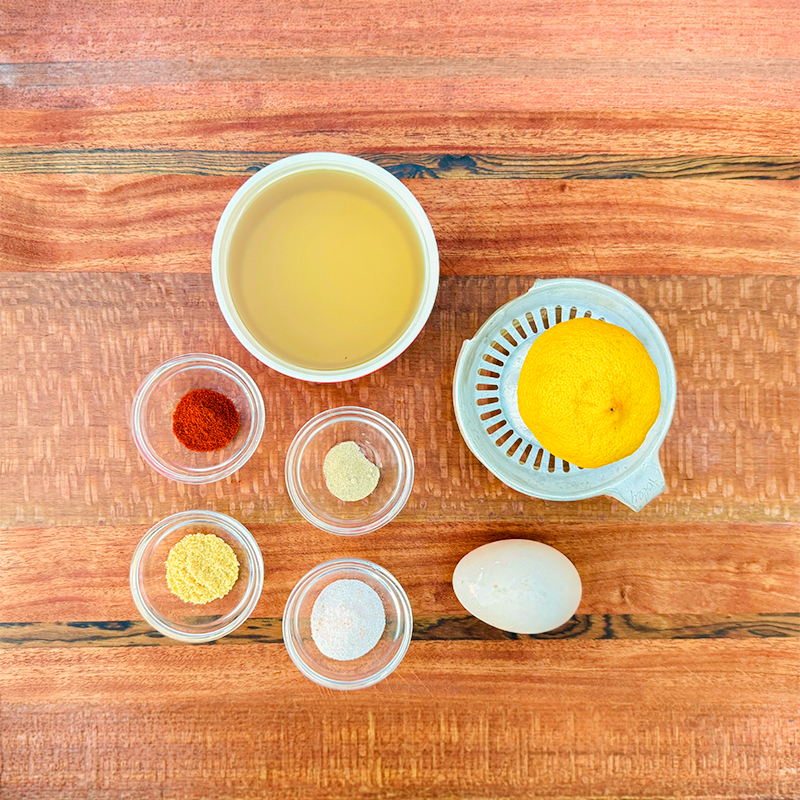
Ingredients
- 1 large egg or 1/4 cup liquid whole egg
- 2 tablespoons freshly squeezed lemon juice (or white vinegar)
- 3/4 teaspoon sea salt
- 1/2 teaspoon dry mustard
- 1/8 teaspoon white pepper
- 1 cup avocado oil
Note: For best results, make sure all ingredients are at room temperature. Let the egg sit out for at least 30 minutes to help ensure a stable emulsion.
Instructions
Step 1: Put the egg, lemon juice or vinegar, salt, mustard, and pepper in a wide-mouth pint jar. Blend with an immersion blender until smooth and slightly frothy.
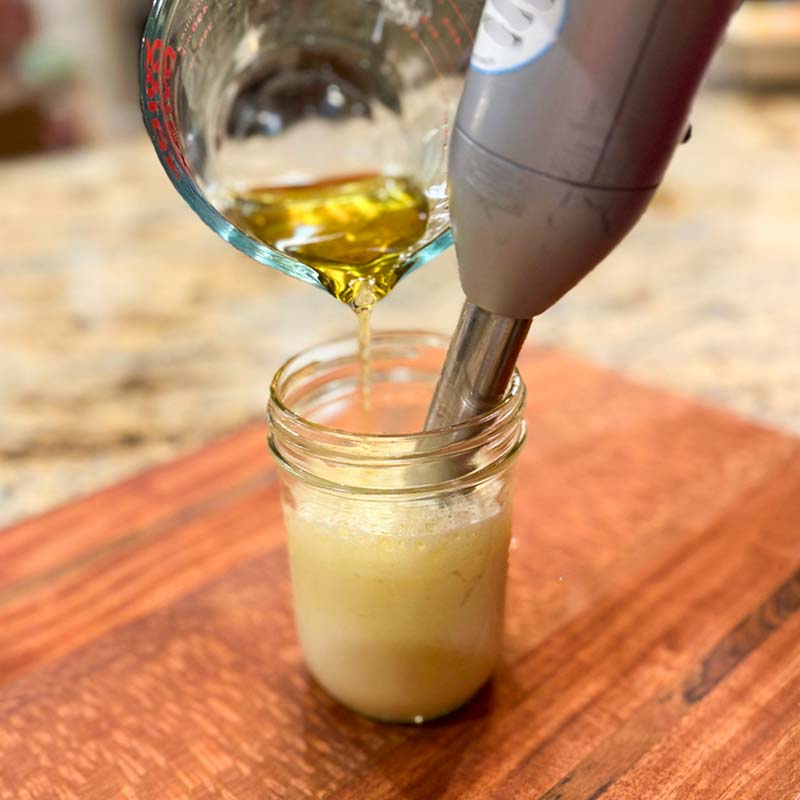
Step 2: With the blender running, very slowly drizzle in the oil, starting with just a few drops at a time. As the mixture thickens and emulsifies, gradually increase to a thin, steady stream, moving the blender up and down a bit to incorporate all the oil.
Step 3: Store in the refrigerator for up to one week.
Blender Options: If using a blender or food processor, blend everything except the oil, then slowly stream in the oil with the machine running until thick.
Safety Note: This recipe requires a whole egg; egg whites will not work. Raw eggs may contain Salmonella, which can cause foodborne illness. If serving children, older adults, pregnant women, or anyone with a weakened immune system, consider using pasteurized liquid whole eggs. Look for a product with a short ingredient list—ideally just eggs and citric acid.
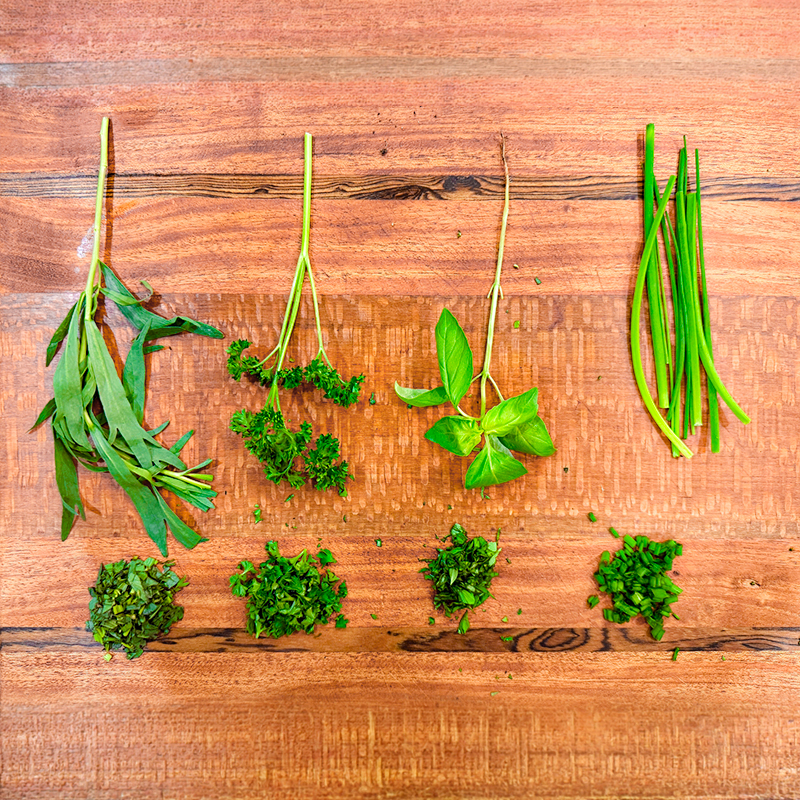
Variation: To create a flavorful herbed mayo that can be used as a spread or thinned with milk or nut milk for salad dressing, stir the following into 1/2 cup of mayonnaise:
- 1 teaspoon lemon juice
- 1/4 teaspoon garlic powder
- 1 tablespoon finely chopped chives or scallions
- 2 tablespoons finely chopped fresh mixed herbs, such as tarragon, basil, and parsley or cilantro, parsley, and basil
Frequently Asked Questions
Q: Why did my mayonnaise turn out thin and separated instead of thick and creamy?
A: The most common cause is adding the oil too fast at the beginning of blending. The emulsion needs time to form, so the first few additions should be just a few drops or a very thin drizzle. If it separates, pour the mixture into a clean container, add a fresh egg to the original jar, and slowly blend the separated mayo back in, a few drops at a time, until it comes together.
Q: How long will homemade mayonnaise keep in the refrigerator?
A: Because homemade mayo does not contain stabilizers and preservatives such as commercial versions, it keeps for up to one week in the refrigerator instead of months. Store it in a clean, tightly sealed jar and discard it if it smells off or separates badly.
Q: Does the type or brand of avocado oil or olive oil matter?
A: Yes—more than most people expect. Independent tests have found that some avocado and olive oils are adulterated with cheaper oils or are already oxidized before purchase.
Buying from a reputable, single‑origin brand in a small, dark glass bottle gives you the best protection and the freshest flavor.