



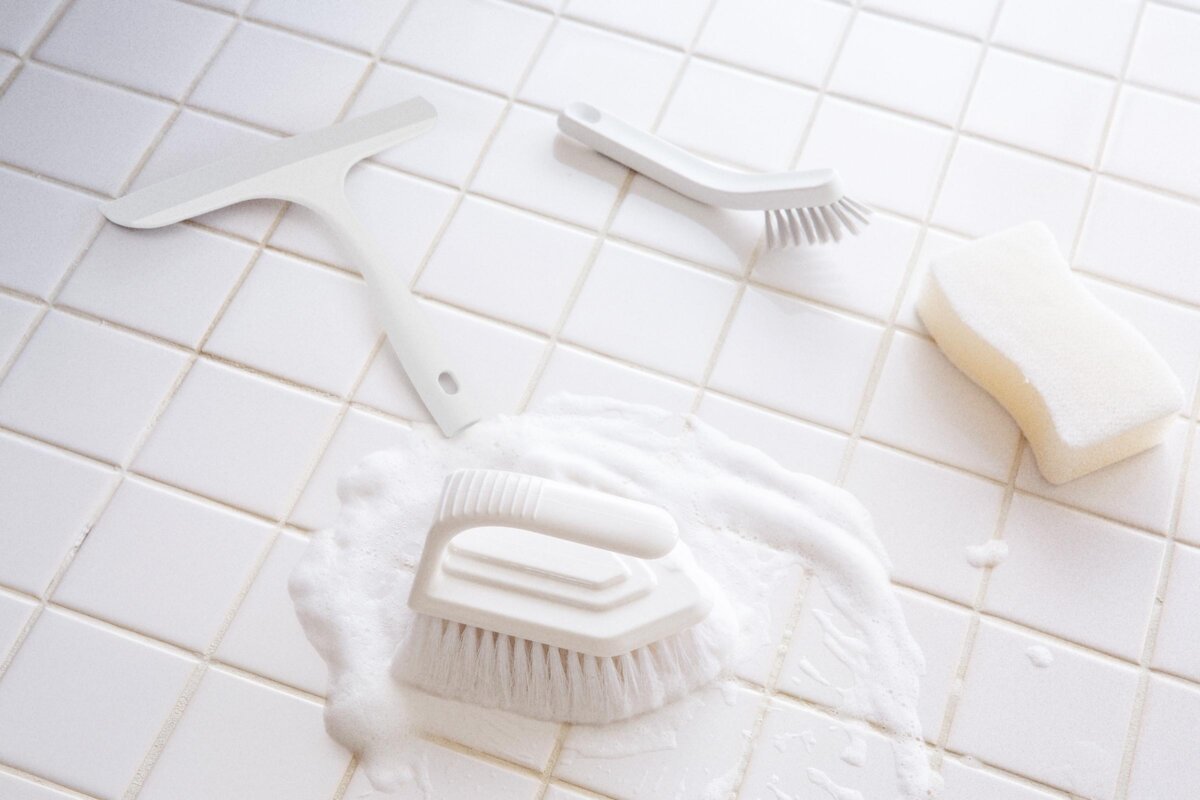
Bathrooms and kitchens are used multiple times a day, making them the primary sources of moisture in the home. Over time, dampness can lead to mold, grease buildup, and lingering odors.
Maintaining daily cleanliness is the fundamental way to prevent moisture and mold. Home cleaning expert Mary-Ann Chen shares practical strategies for reducing bathroom mold and tackling kitchen grease to help keep your home cleaner and healthier.
Both kitchens and bathrooms tend to trap humidity, creating the ideal conditions for mold and bacteria growth. These invisible pollutants not only affect the quality of living but can also trigger allergies, asthma, and even chronic fatigue. Chen notes that the key to bathroom cleaning is mold prevention.
How to Prevent Mold in Bathrooms
The warmth and humidity after a shower create an ideal environment for mold growth. Chen recommends rinsing the bathroom with cold water after showering to help lower the temperature and reduce mold growth. Next, use a scraper to remove water stains from walls and floors to further reduce humidity.
Residual bathing products can also contribute to mold growth. Liquid residue often collects at the bottom of bottles and jars, creating a breeding ground for mold. Regularly rinsing these items—or storing them on hanging shelves—can help prevent buildup.
For regular mold removal, chlorine-based alkaline cleaning products such as bleach can be effective. However, because liquid cleaners do not adhere well to vertical surfaces, foam versions are often more practical. These products cling to tile grout and silicone seals and typically contain surfactants that improve cleaning efficiency.
Common Bathroom Stains and How to Remove Them
In addition to mold, several other types of stains commonly appear in bathrooms:
- Limescale (From Water): After showering, minerals left behind after water evaporates can form white deposits on glass, faucets, and tiles. Acidic cleaners, such as citric acid, are typically effective at removing them. Severe buildup may require a specialized descaling product.
- Urine Stains: These stains around the toilet are mostly alkaline, making acidic cleaners more effective for removal.
- Soap Scum: Soap and detergent residue can accumulate on surfaces or the bottoms of shampoo bottles, contributing to mold growth. It is recommended to regularly rinse them or use hanging shelves to prevent water accumulation.
How to Choose the Right Bathroom Cleaning Products
Most bathrooms can be maintained with neutral or mildly alkaline cleaners for daily use. However, different stains require targeted solutions. Alkaline cleaners work best for mold, and acidic cleaners are more effective for limescale.
Chen noted several safety considerations when using cleaning products:
- Maintain Good Ventilation: Open windows or turn on exhaust fans, especially when using bleach.
- Use Protective Gear: Wear gloves to prevent skin irritation and protect clothing from discoloration. Those sensitive to odors should wear a mask.
- Test Products First: Some materials may discolor or corrode. Test cleaners on a small, inconspicuous area before full use.
- Avoid Mixing Cleaning Agents: Never combine acidic cleaners with bleach, as this can produce toxic chlorine gas, which may lead to poisoning in severe cases.
What to Look for When Buying Cleaning Products
When selecting cleaning agents, keep these three principles in mind:
- Clear Ingredient and Usage Labels: Transparent labeling often reflects a more reliable product.
- Accessible Customer Support: Brands that provide contact information make it easier to resolve issues.
- Detailed Instructions for Use: Always confirm the product is suitable for your surfaces to avoid damage.
Kitchen Cleaning Focus: Removing Grease
The focus of kitchen cleaning is to remove grease. Baking soda is a common and natural cleaning option, suitable for light to moderate grease.
Baking soda has a gentle abrasive effect, which can help remove burnt grease and grime, Chen said. For heavily soiled pots and pans:
- Add enough water to cover the grime
- Add baking soda
- Bring to a boil, then simmer for about 10 minutes
- Let soak for two to three hours before scrubbing
The combination of hot water, soaking, and baking soda makes stubborn grime easier to remove.
If your kitchen range hood filter is heavily greased, you can soak it in hot water first, then clean it with baking soda. However, daily maintenance remains essential, Chen said. A simple mixture of baking soda and water in a spray bottle can be applied on countertops and kitchen walls after cooking, then wiped off with a cloth.
Drainpipe Degreasing and Maintenance
Kitchen drainpipes are prone to clogging due to grease buildup. If not cleaned regularly, grease will adhere to the inner walls of the pipes, affecting drainage, potentially causing odors, and even attracting pests such as cockroaches.
Chen cautioned against improper use of chemical drain cleaners. Most commercial pipe cleaners are highly alkaline and designed for metal pipes; using them in plastic pipes can cause corrosion or even breakage.
A safer daily habit she recommends is, after washing dishes, turning on the tap to its hottest setting and running it continuously for about two to three minutes to help reduce grease buildup.
In addition, you can use the simple, natural “citrus peel cleaning method.”
- Place citrus peels in a pot
- Add water to cover
- Bring to a boil, then simmer for about 10 minutes
- Let cool slightly, then pour it into the drain
The hot water dissolves the grease, and the essential oils in the citrus peels also have a degreasing effect, reducing odors at the same time. For best results, do this every one to two weeks.