



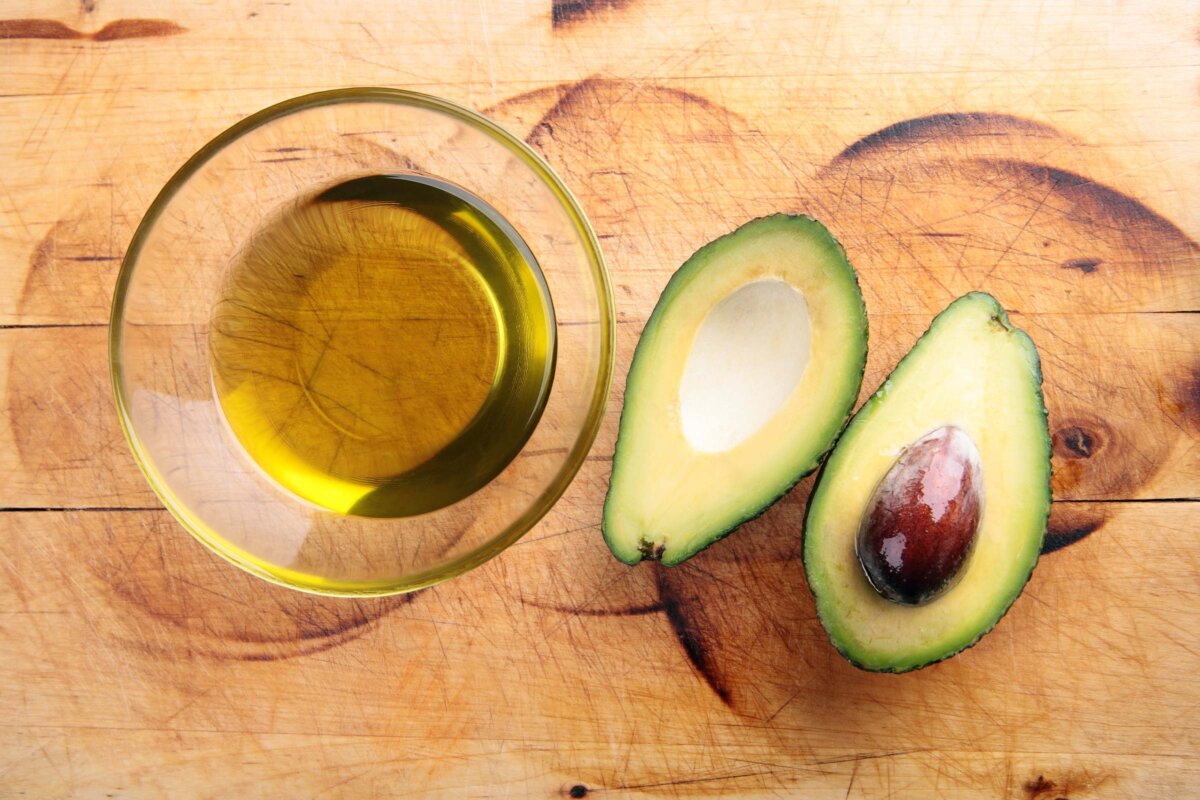
Avocado oil often costs more than other cooking oils, and shoppers may choose it for its flavor or fatty-acid profile. But a recent University of California, Davis, study found that many packaged foods labeled as containing avocado oil did not have a chemical profile consistent with authentic avocado oil.
“For consumers, it means the ‘made with avocado oil’ claim on a bag of chips, a jar of mayonnaise, or a bottle of dressing—a claim people pay a real premium for—frequently isn’t reflected in the actual product,” Selina Wang, department vice chair and professor in the UC Davis Department of Food Science and Technology and lead author of the study, told The Epoch Times.
Not Purely Avocado Oil
Every oil has a chemical “fingerprint,” a characteristic mix of fatty acids and compounds called sterols that distinguishes it from other oils. Researchers used these fingerprints to check whether products lived up to their labels.
“Purity is about identity—is this actually avocado oil, or has it been diluted or substituted with a cheaper oil, like canola, soybean, or sunflower?” Wang said.
The quality of an oil is a separate issue. Even pure avocado oil can become rancid from age, heat, or light exposure.
“An oil can be 100 percent genuine avocado oil and still be low quality if it’s gone rancid. Conversely, an oil can be technically fresh and stable but not be pure avocado oil at all,” Wang said.
The study, published in Applied Food Research, tested 74 distinct chip, mayonnaise, and salad-dressing products from multiple brands that listed either avocado oil or olive oil as their sole declared added fat. Researchers purchased two of each product online or from California stores, extracted the oil, and compared its chemical profile with that of genuine avocado or olive oil.
Real avocado oil tends to run higher in three fatty acids—palmitic, palmitoleic, and cis-vaccenic acids—and low in a fourth, stearic acid. Most of the avocado oil-labeled products tested showed the opposite pattern: too little of the first three and too much stearic acid, a signature of dilution or substitution with vegetable oils. One sample’s profile matched soybean oil almost exactly, suggesting the avocado oil had been swapped out entirely.
Cis-vaccenic acid, an omega-7 fatty acid, turned out to be the clearest tell. Products that passed the authenticity check averaged 5.3 percent cis-vaccenic acid compared with 1.7 percent in products classified as inconsistent.
To check whether manufacturing could explain the unusual results, the researchers made chips and mayonnaise with authentic oils, testing how the oils changed during frying and emulsification. Both processes caused only minor chemical changes—not enough to explain what they found in the commercial products.
The problem also extends to bottled avocado oil. Previous studies by the same UC Davis team found that 82 percent of 22 products tested in 2020 were rancid or mixed with other oils, while only 31 percent of 36 private-label (produced by a third party for the label company) avocado oils tested in 2023 were pure.
By contrast, in the recent study, olive oil largely held up to its label: 19 of 20 olive oil–labeled products matched the real thing. Researchers attribute the difference to olive oil’s much longer history of testing, standards, and regulatory attention—protections avocado oil doesn’t have.
How the Substitution Happens
Like other food ingredients, avocado oil can pass through several hands before reaching the finished product. After avocados are harvested, their oil may be extracted near the growing region, refined elsewhere, and shipped in bulk to a bottler or food manufacturer.
“At each handoff in that chain could be where blending or substitution occur,” Wang said.
Quality also varied by batch. Researchers tested two separate batches of every product. Among the 28 avocado oil chip products, only two kinds of chips passed—and even then, just barely, with one of the two batches failing.
“That pattern—same labeled product, different result depending on which run—points toward a company sourcing the same ingredient from more than one supplier, or receiving inconsistent batches from the same supplier,” Wang said.
Notably, the researchers built generous room for natural variation into their assessment of the avocado-oil products, allowing a 10 percent margin and counting a product as “consistent” even if it clearly passed only one of the two chemical tests. Even with that flexibility, the results were poor.
“This low score suggests that the issue is more widespread than isolated quality control problems and highlights a broader challenge with authenticity in the avocado oil market,” Hyder Khoja, a bio-nutraceutical consultant, told The Epoch Times.
Why No One’s Catching It
Part of the problem is that no one is required to check. Unlike olive oil, avocado oil has no legal definition of what it must contain, and finished products aren’t routinely tested to verify label claims. That regulatory gap, researchers say, helps explain why an expensive, fast-growing category has so little oversight—and why shoppers have so little protection against paying for something they’re not getting.
The U.S. Food and Drug Administration requires food manufacturers to accurately identify their ingredients, but it has never defined exactly what “avocado oil” must legally contain, and finished products aren’t routinely tested against that undefined standard.
Internationally, the Codex Alimentarius Commission, a joint food-standards body of the UN’s Food and Agriculture Organization and World Health Organization, adopted compositional standards for avocado oil in 2024. The only problem is that Codex standards are voluntary guidelines, not legally binding on their own, Wang said.
What would help, she said, is an FDA “standard of identity,” paired with mandatory testing at the point where oil enters the supply chain, such as at import or bulk processing.
Researchers also need more reference data to tell what is natural variation—such as from different varieties, growing regions, or harvest timing from signs that the oil has been diluted or replaced with another oil.
Does the Substitution Matter Much?
Avocado oil has genuine nutritional advantages. It is rich in monounsaturated fat—primarily oleic acid—giving it a fatty-acid profile broadly similar to extra-virgin olive oil. It also contains vitamin E and antioxidants, including carotenoids, compounds that help protect cells from oxidative damage.
In one trial involving 13 healthy adults, replacing butter with avocado oil for six days improved post-meal insulin and glucose levels, cholesterol, triglycerides, and markers of inflammation.
Laboratory and animal studies suggest that avocado oil can calm inflammatory enzymes, reduce oxidative stress, and improve mitochondrial function, though those findings have not been consistently replicated in large human trials.
Avocado oil may also help the body absorb fat-soluble nutrients from other foods. Studies found that adding it to salads increased carotenoid absorption compared with using a fat-free dressing, an effect shared by other dietary fats, not unique to avocado oil.
Overall, direct research on avocado oil remains sparse. Claims that it reduces inflammation, improves skin health, or functions as a “superfood” are often extrapolated from studies of olive oil and whole avocados, not avocado oil itself, which remains understudied on its own.
Swapping oils doesn’t make a processed food healthy, Khoja said. Potato chips fried in avocado oil are still deep-fried, calorie-dense, and salty. What changes is the fat profile, and if a cheaper oil high in polyunsaturated omega-6 fat is substituted, even that selling point disappears. Khoja calls the labeling a “health halo”: a single flattering ingredient claim that makes an entire product feel healthier than it is, potentially shaping how much of it people buy and eat.
For most people who eat these foods occasionally as part of a balanced diet, Khoja said the substitution is unlikely to have a major effect on overall health. It may matter more to consumers who specifically choose avocado oil for its fatty-acid profile, are managing cardiovascular risks, or follow diets emphasizing particular types of fat. For them, an undisclosed substitution undermines both informed dietary choices and trust in the label.
What to Look For
For bottled avocado oil, there are a few signs shoppers can use to check for freshness and appropriate processing, although none can confirm whether the oil in the bottle is purely avocado oil:
-
Color: Virgin avocado oil is generally green, while refined oil is usually light yellow or nearly clear.
-
Smell: A stale smell resembling play dough can indicate that the oil has turned rancid.
-
Dates: Choose oil as close to its harvest or production date as possible; a best-before date does not guarantee freshness.
-
Storage: Buy an amount you can finish before it oxidizes, and store it in a cool, dark place away from heat and light.
For avocado oil used in processed foods like chips or dressing, however, Wang said there is no additional layer of scrutiny beyond what applies to bottled oil.
People can look for a genuine third-party certification or verification mark rather than relying solely on label claims alone, though the rigor of these certifications can vary.
Ultimately, a balanced diet centered on whole, minimally processed foods matters more for overall health than buying processed foods made with supposedly healthier oils.
“Consumers should assess foods based on their complete nutritional profile and not just a single ingredient claim,” Khoja said.