



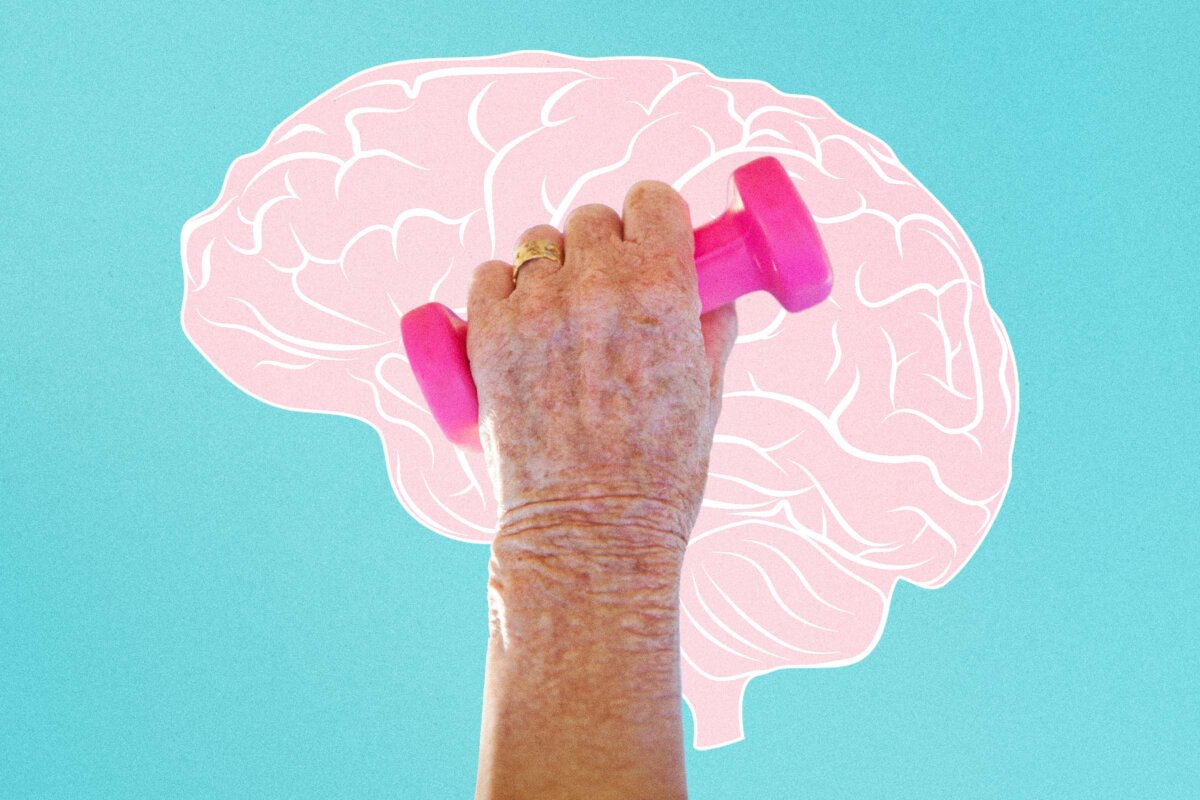
Dementia rarely develops overnight. Long before memory problems become obvious, subtle changes elsewhere in the body may signal that the brain is under stress.
According to Traditional Chinese Medicine (TCM) practitioner Yu Ya-wen, chronic insomnia, muscle loss, and hearing impairment can all precede cognitive decline. Among these, loss of muscle mass—known as sarcopenia—may be one of the strongest warning signs. The good news is that lifestyle habits such as regular exercise, quality sleep, and even dancing may help protect brain function and reduce dementia risk.
TCM and Dementia
In TCM, dementia is often associated with imbalances in the kidney and spleen systems.
According to TCM theory, the kidneys store the body’s vital essence and are linked to memory, cognitive function, hearing, and the aging process. Yu noted that chronic stress, overwork, and prolonged mental strain can gradually deplete this vital energy, contributing to what TCM describes as premature aging and cognitive decline.
The spleen, meanwhile, is responsible for transforming food into nutrients that nourish the body and brain. It is also closely related to muscle health. Poor dietary habits, chronic stress, a fast-paced lifestyle, and physical inactivity may weaken spleen function, reducing nutrient delivery to both the muscles and the brain. Over time, these factors may increase the risk of cognitive decline.
Although TCM and modern medicine use different frameworks, both emphasize the importance of healthy aging, proper nutrition, stress management, and physical activity for maintaining brain health.
High-Risk Dementia Groups
While age remains the strongest risk factor, dementia can affect people from many backgrounds. Yu identified several groups that may face an elevated risk:
- People With a Family History of Dementia: Having a family history of dementia moderately increases your risk.
- People With Chronic Diseases: Conditions such as hypertension, hyperglycemia, hyperlipidemia, stroke, and Parkinson’s disease can affect cerebral blood circulation and nerve function, accelerating cognitive decline.
- People With Chronic Insomnia or Sleep Disorders: Studies have found that many dementia patients experience sleep problems—including difficulty falling asleep, light sleep, and early awakening—about 10 years before disease onset.
- People With Sarcopenia: Studies have found a strong correlation between sarcopenia and dementia.
People With Sarcopenia More Prone to Dementia
Research suggests that skeletal muscle does more than support movement—it also functions as an endocrine organ. During exercise, muscles release signaling molecules known as myokines, which communicate with the brain and help support areas involved in memory and learning, including the hippocampus.
As muscle mass declines, these beneficial effects may diminish, potentially increasing the risk of cognitive decline. This is one reason why regular physical activity is considered important not only for maintaining muscle strength, but also for preserving brain health.
Hearing Loss as a Catalyst for Dementia
In addition to muscle loss, hearing impairment is another key factor that is easily overlooked. Compared to visual decline, hearing loss is more likely to accelerate cognitive decline. Sound is a vital source of continuous external stimulation for the brain, and any reduced stimulation could lead to decreased brain activity. Yu noted that hearing loss can also increase social isolation and depression, both of which are linked to a higher risk of dementia.
From a Traditional Chinese Medicine (TCM) perspective, the ears are connected to meridians involved in emotional regulation. TCM practitioners believe that imbalances in these pathways may affect mood and cognitive health, highlighting the close relationship between emotional well-being and brain function.
Early Detection Can Delay Progression
Dementia is usually not first noticed by family members, Yu said. However, loved ones can watch for red flags such as forgetting recent events, repeated questioning about everyday things, or experiencing significant changes in mood and personality, which could be early signs of dementia.
TCM practitioners can use acupuncture to stimulate brain activity or utilize Chinese medicinal herbs to improve brain circulation as supplementary treatment options, Yu said.
Lifestyle Strategies for Preventing Dementia
Preventing dementia encompasses several aspects of daily life, including diet, sleep, exercise, and self-care, Yu said.
- Follow an Anti-Inflammatory Diet: Diets such as the Mediterranean, MIND, and DASH diets can help reduce the risk of brain inflammation and degeneration.
- Maintain a Regular Sleep Schedule: Avoid staying up late often. Minimize blue-light exposure after 11 p.m. to help improve the quality of deep sleep.
- Try Dancing: Dancing is a highly recommended brain-boosting exercise. It involves physical activity, as well as practice in memorizing steps, training hand-eye coordination, and increasing social interaction, all of which are beneficial for stimulating brain function.
- Practice Finger Coordination Exercises: Fine hand movements stimulate areas of the cerebral cortex, helping to improve neural connections and coordination.
4 Hand Exercises to Stimulate the Brain
These exercises are fun, engaging, and designed to activate the brain.
1. Finger Touch
Touch the fingertips of both hands to form an arch. Repeatedly and quickly draw them out and tap them back together.
2. Hand Gesture Swap
Make a “3” gesture with your right hand and an “OK” gesture with your left hand. Repeatedly switch the gestures between hands.
3. Finger Separation Exercise
Bring your four fingers together, then simultaneously separate each corresponding finger one by one.
4. Scalp Massage
Spread your fingers and place them against your scalp. Gently press your scalp with your fingertips while performing a full-head massage.
The scalp has many acupoints related to emotions and memory, Yu said. Moderate massage helps promote circulation and relieve stress.