




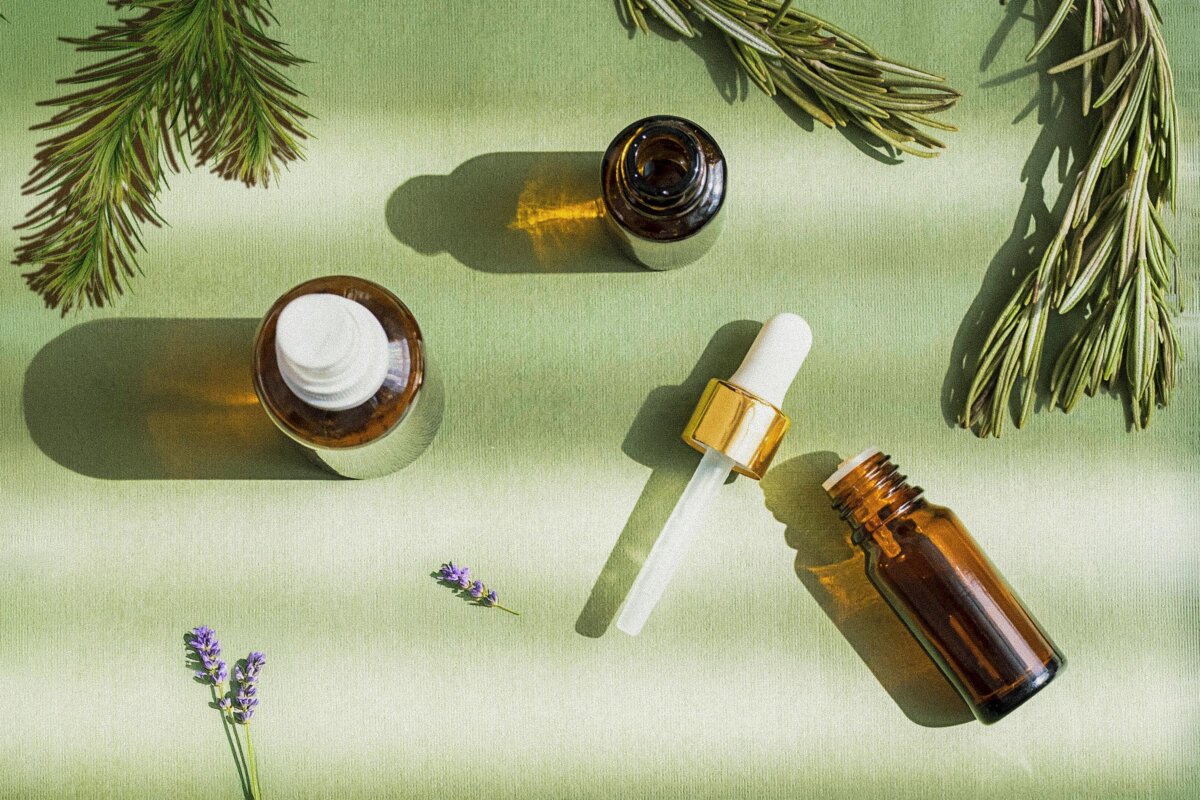
After a long day’s work, gently massage your scalp with the calming scent of Atlas cedarwood. The smell surrounds you like a forest after rain, relaxing your body and mind as the oil draws out the body’s impurities.
Grace Tseng, a certified aromatherapist in Taiwan, said using natural oils for “oil conditioning” or “oil bathing” can restore the hair’s volume and strength by detoxifying the scalp.
“After a really exhausting day’s work, when my scalp feels tight, or when my scalp feels stuffy in the summer, I use an oil bath,” Tseng said on “Health 1+1” on NTD, a sister outlet of The Epoch Times.
“It leaves my hair feeling incredibly refreshed and healthy, and it’s especially bouncy the next day. For a while, I was using an oil bath for my hair almost every week, and when I got a haircut, the stylist noticed my hair was growing faster than usual.”
You might think that applying oil to the scalp would clog hair follicles, but the core principle of oil bathing is using oil to dissolve grease on the scalp, Tseng said.
Years of accumulated sebum, an oily substance that keeps the skin hydrated, and dirt can be difficult for shampoos to remove completely. High-quality cold-pressed oils penetrate and dissolve these, allowing the hair follicles to breathe again. After deep cleansing and moisturizing, the scalp becomes healthier and more balanced, improving oiliness in summer and dryness and itchiness in winter.
Oils for the Hair
Tseng suggested the following ingredients for oiling the hair:
Carrier Oils
First, choose a cold-pressed extra-virgin oil for your carrier oil, such as olive, coconut, or sesame.
Cold-pressed, extra-virgin sesame oil, for example, has a milder scent than toasted sesame oil, which has a stronger aroma, making it less ideal for skin and hair care.
Essential Oils
Next, select a blend of essential oils to address specific scalp issues. Here are a few and what they do:
- Rosemary: Promotes blood circulation and hair growth
- Atlas Cedarwood: Balances oil secretion and helps prevent hair loss
- Tea Tree: Provides antibacterial support, controls oil, and reduces dandruff
- English Lavender: Soothes redness, reduces swelling, and supports sensitive scalps
- Peppermint: Cools the scalp, controls excess oil, and relieves itching, especially during summer
Research has shown that rosemary and cedarwood essential oils promote hair growth in animals, with effects comparable to those of the hair growth agent minoxidil. Peppermint essential oil has been found to stimulate hair follicle growth, resulting in thicker hair and faster growth. It even outperformed minoxidil and has no toxicity or side effects.
How to Wash Hair With Oil
Tseng recommends giving your hair an oil bath as follows:
- Prepare Massage Oil: Use 1/2 ounce to 1 ounce of carrier oil, based on hair length. The essential oil concentration is typically about 1 percent, equivalent to about six drops of essential oil per 1 ounce of carrier oil. Combine the essential and carrier oils together.
- Apply Oil: After dividing the hair, apply the oil to the scalp with your fingertips or a squeeze bottle, ensuring the scalp is completely covered.
- Massage Scalp: Insert your fingers deep into your hair and use your fingertips to massage your scalp. You can also use a scalp massage comb.
- Condition Hair: Apply any remaining oil to your hair as a conditioner.
- Let It Sit: Leave the oil on your hair for 30 minutes if time allows.
- Wash It Out: Shampoo your hair one to two more times than usual to thoroughly cleanse the scalp of excess oil.
Oil Bathe to Dissolve Toxins
In addition to scalp and hair care, Tseng also recommends a “deep detox oil bath” for the rest of the body. In winter, or whenever you feel stressed, apply a thick layer of carrier oil to your entire body, including areas with high lymphatic density such as the armpits, inner thighs, and chest.
“On these areas of the body that we don’t usually touch and where blockage is especially severe, the oil scraped off is particularly dark,” she said.
Some people have reported that after an oil bath, their sleep quality significantly improved the next night and they had healthier bowel movements the next morning.
Recommended Essential Oils for the Body
Tseng recommends three essential oils suitable for all skin types to relax your mind and body while caring for your skin:
- Pure Lavender: Promotes relaxation and balances oil secretion.
- Frankincense: Supports skin repair, immune function, and antiaging, and has anti-inflammatory effects. Some studies have found that frankincense essential oil has anticancer properties.
- Rose Geranium: Balances hormones and keeps skin moisturized. Clinical studies have found that the aroma of rose geranium essential oil can reduce pain, anxiety, and stress.
How to Prepare and Take an Oil Bath
Tseng suggested the following steps for an oil body bath:
- Prepare the Oil: Prepare 1 to 3 ounces of massage oil. The essential oil concentration is usually about 1 percent, or about 20 drops of essential oil per 3 ounces of carrier oil.
- Apply the Oil: Apply the oil over your entire body, including your face, ears, navel, nail crevices, soles of your feet, and scalp—if desired.
- Massage the Body: Massage yourself after applying the oil, then put on a bathrobe to keep warm and wait 20 minutes.
- Remove Excess Oil: Wipe off excess oil with a cloth or paper towel before taking a bath to prevent it from going down the drain (oil solidifies when it cools, which can cause drain blockages. You can pour some baking soda down the drain to prevent clogging).
- Wash Oil Off: After soaking in the bath, wash the oil off thoroughly with soap or shower gel and rinse.
Tseng suggested wearing nonslip bathroom slippers, sitting on a chair while showering, and thoroughly cleaning the floor and slippers with baking soda and dish soap afterward to avoid slipping.
Take oil baths once or twice per week, preferably before bed.
Precautions
Although oil bathing is relaxing, it’s not recommended for people with wounds, inflammation, or redness on the skin or scalp.
Pregnant women, children younger than 12, cancer patients, and those with other chronic diseases should consult an aromatherapist or physician before using essential oils. If you are unsure whether essential oils are suitable for your condition, Tseng recommends using pure carrier oils or herbal infusions.