



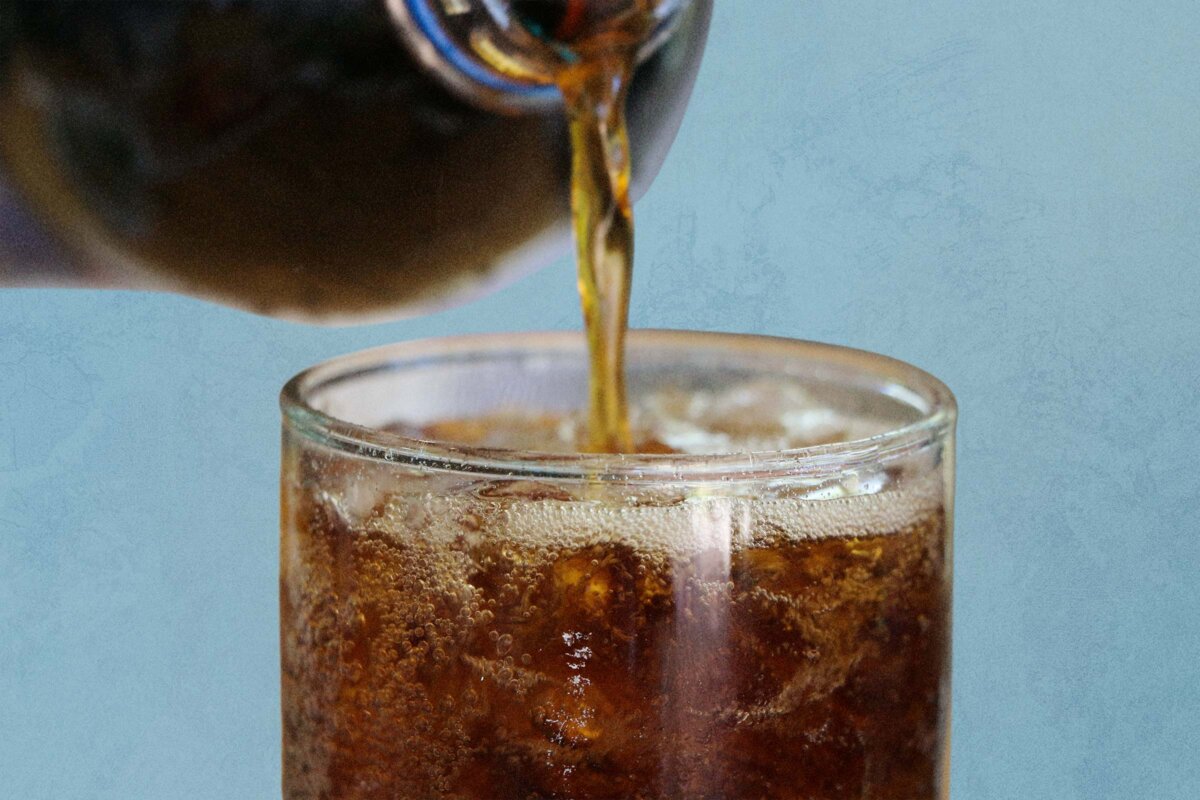
“A diet soda, please.”
It feels like the obvious healthier choice—to skip the sugar, but keep the treat. However, it’s not that straightforward. Researchers are starting to wonder whether we traded one problem for another—this time, for the brain.
What Research Shows
Diet sodas contain few to no calories, relying on artificial sweeteners such as aspartame or sucralose to provide sweetness.
“They are a popular choice when someone is craving a sweetened beverage, but wants to remain mindful of their caloric intake,” Jaz Robbins, a holistic nutritionist, told The Epoch Times.
However, one recent study found that people who drank more than one diet soda per day were more than four times more likely to develop dementia than those who had one or none. Also, each additional diet soda per day was linked to about a 39 percent higher risk.
“We do not know what ingredients may be driving the association,” Hannah Gardener, a research associate professor and study author, told The Epoch Times. “More research is needed to understand whether different types of diet soda play different roles.”
The findings are part of a broader pattern. Beyond individual studies on diet soda, other research has examined artificial sweeteners more broadly and their potential effects on cognitive health over time. One study found that low- or no-calorie sweeteners were associated with faster cognitive decline over eight years, with long-term effects linked in particular to artificial sweeteners and sugar alcohols.
Sweeteners, including saccharin, acesulfame, aspartame, neotame, and sucralose, are synthetic and far more potent than regular sugar, meaning that only small amounts are needed to create a sweet taste.
However, they may come with unintended effects. Artificial sweeteners can disrupt the gut microbiome and contribute to glucose intolerance. Because the gut and brain are closely connected through the gut-brain axis, these shifts may influence inflammation, signaling, and brain function over time.
Higher diet soda intake was associated with vascular risks. Poor blood vessel function can reduce blood flow to the brain, which is important for delivering oxygen and nutrients and supporting normal cognitive function.
“Several mechanisms have been proposed, like possible effects on insulin sensitivity as well as possible changes in the gut microbiome, which may influence inflammation and brain function,” Mpho Tshukudu, a functional nutritionist, told The Epoch Times.
An occasional diet soda is unlikely to have a direct effect on its own, but regular high intake may bring harm, Robbins said.
Is Regular Soda Any Better?
It isn’t. The negative effects of regular soda on cardiovascular and metabolic health are well-established, and the brain is not spared.
“Switching to regular soda is not a healthy substitute,” Gardener said.
A large body of research supports her point. Regular soda delivers concentrated doses of added sugar, causing rapid spikes in blood glucose and insulin. High intake of added sugar has been linked to a range of effects on both the body and brain, including a higher risk of poorer memory, increased inflammation, and Type 2 diabetes, Robbins noted.
Evidence also points to a link between sugar intake and mood. An analysis of 40 studies involving more than 1 million participants found that higher sugar consumption was associated with a 21 percent increased risk of depression.
There’s also the gut-brain connection to consider. Like artificial sweeteners, sugar disrupts the gut microbiome. A high-sugar diet can alter the balance of gut bacteria, reducing beneficial species and increasing harmful ones. This imbalance, known as dysbiosis, may influence brain function and mood through inflammatory signals and metabolic byproducts.
“Both sugary and diet beverages may negatively affect brain health through overlapping metabolic and vascular pathways,” Tshukudu said.
What to Drink Instead
The most evidence-backed alternatives are also the least glamorous.
“Plain or sparkling water can be a good substitute for diet soda because it provides the carbonation many soda drinkers enjoy,” Robbins said. Add lemon, a handful of berries—or if you crave more sweetness—fruit juice.
Jessica Clancy Strawn, a registered dietitian, drinks kombucha with various flavors to replace Diet Coke.
“Kombucha can create a feel‑good sensation similar to what people experience when drinking dark sodas, but through a more natural and steady pathway,” she told The Epoch Times.
Kombucha drinks on the market often use spices such as cinnamon, nutmeg, orange peel, or other botanicals to help create a dark soda‑like flavor profile, she said.
If it’s the flavor rather than the fizz you miss, fruit- and herb-infused water is another easy option. Simply fill a jug or bottle with cold water, add your ingredients, and leave it in the fridge for at least two to four hours so the flavors have time to infuse. Some combinations to try include:
-
Lemon, mint, and cucumber
-
Orange slices and fresh ginger
-
Strawberries and basil
-
Blueberries and lemon
-
Apple slices and a cinnamon stick
Unsweetened herbal teas or fruit- and herb-infused water can help ease the transition away from sweetened drinks by providing natural flavor in real food.
Coconut water is another option. It is naturally hydrating and contains electrolytes—though it also contains natural sugars and may be best in moderation.
“These beverages have been associated with better metabolic and cognitive health outcomes in large studies,” Tshukudu said.
Other alternatives include chilled green or black tea, diluted 100 percent fruit juice, or plain milk.
If none of these hit the spot, here’s a final trick: Try diluting your usual soda with sparkling water, or switching between sweetened and unsweetened drinks. Over time, your taste buds adjust, and many people find they no longer crave soda as much.
Update: The article has been updated with more alternatives to diet soda.