



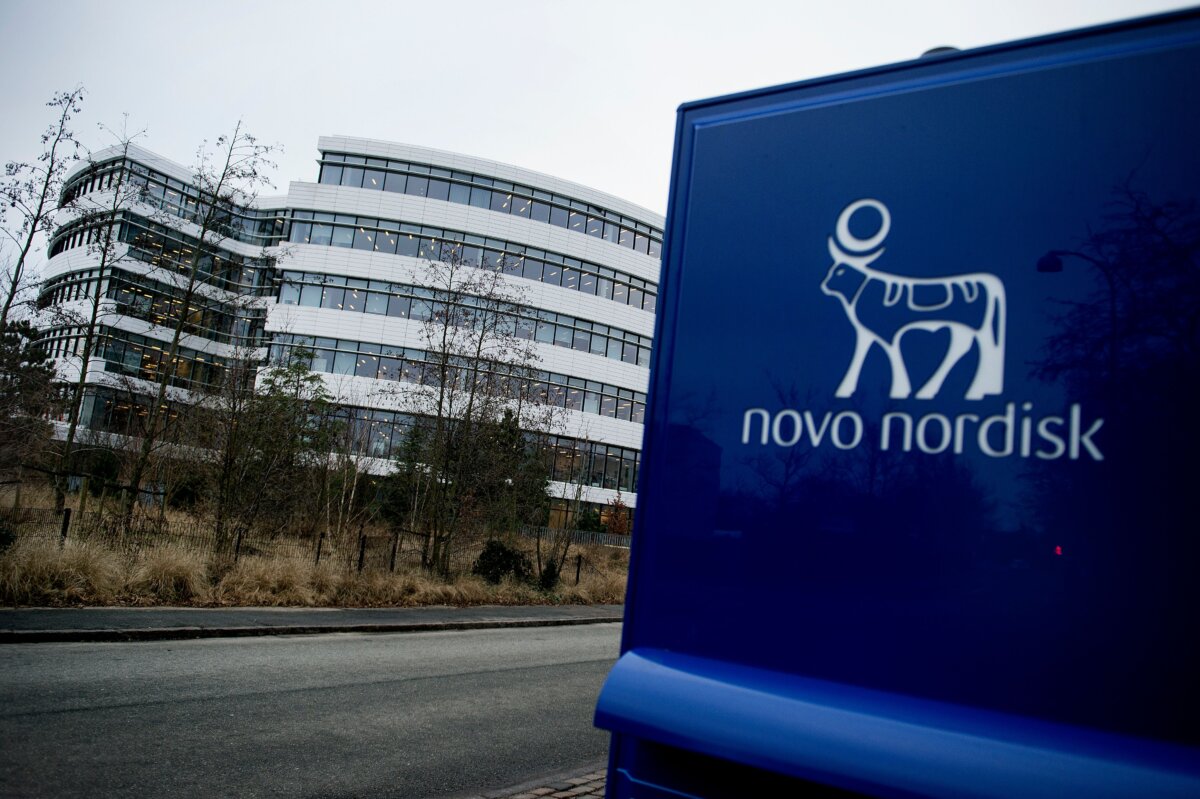
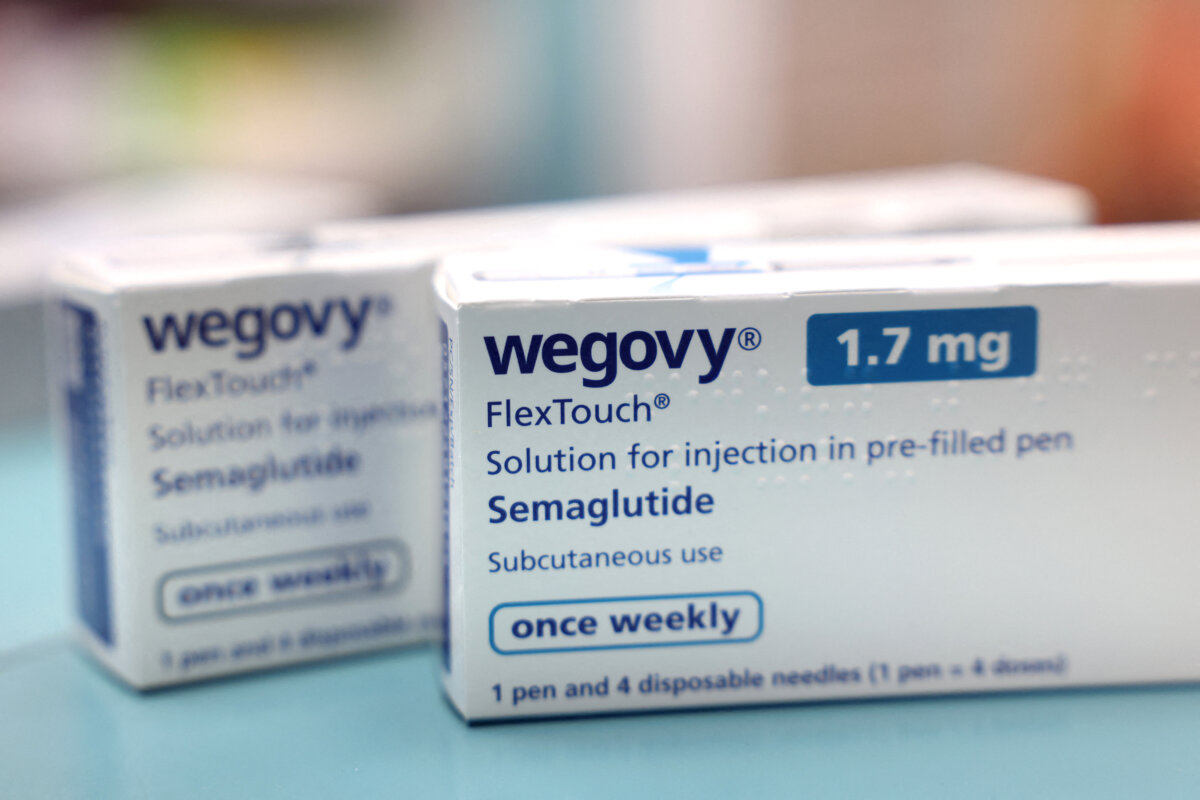
U.S. regulators have green-lit a pill version of the weight-loss drug Wegovy, making an oral version of the so-called “skinny jabs” available for the first time.
The Food and Drug Administration approved the pill made by Scandinavian pharmaceutical company Novo Nordisk, giving it the edge over American rival Eli Lilly in the race to bring an anti-obesity pill to market.
Lilly manufactures the Mounjaro (Zepbound) drug, while Novo Nordisk makes both Wegovy and Ozempic. Lilly’s oral drug, orforglipron, is still awaiting regulatory approval, with a decision expected by spring of 2026.
Both pills are GLP-1 drugs, which were originally made to treat diabetes and then repurposed when their weight loss effects were discovered. The pills work in the same way as the injectables to mimic the natural hormone that controls weight by creating a feeling of fullness.
Share Prices
U.S.-listed shares of Novo jumped by 8 percent while Lilly fell by 1 percent in trading after the approval was announced by the Danish-Swedish pharmaceutical company.
Wegovy and Mounjaro have become increasingly popular in the United States, where more than 100 million people are classed as obese, according to the Centers for Disease Control and Prevention.
Mounjaro is the brand name for Lily’s drug when prescribed for diabetes in the United States and for weight loss in other countries. It is known as Zepbound in the United States, where it is used to aid weight loss, in part for insurance purposes, as medical companies typically do not offer coverage for the drug for that purpose.
According to a Research and Markets analysis, the availability of oral pills could expand the multibillion-dollar market for obesity treatments by widening access. The high cost of the injectables is a barrier for many people.
Around 1 in 8 Americans have used the injectable versions of the GLP-1 drugs, according to a survey by the health policy research group, KFF.
Clinical Trial Results
The Novo Nordisk pill contains 25 milligrams of semaglutide, the same active ingredient as its injectables, Wegovy and Ozempic.
In a clinical trial published in “The New England Journal of Medicine,” the oral version performed almost as well as the injectable, with participants who took the Wegovy pill losing an average of 13.6 percent of their total body weight over about 15 months, compared with a 2.2 percent average loss with a placebo.
Injectable Wegovy saw an average weight loss of about 15 percent in the trial, according to Novo.
Clinical trial participants who took the highest dose of Lilly’s orforglipron pill lost 11.2 percent of body weight on average over nearly 17 months, compared with a 2.1 percent loss in those given the placebo.
Neither pill achieved as much average weight loss as trials of Lilly’s Zepbound, known generically as tirzepatide, which resulted in an almost 21 percent average weight loss.
Eli’s drug, which targets two gut hormones, GLP-1 and GIP, has been dubbed the “King Kong” of the anti-obesity drugs, although doctors have cautioned that the injections are not a guaranteed or long-term fix for those overweight, unless permanent lifestyle changes are adopted.
Side-Effects and Lawsuits
All the GLP-1 drugs, whether taken orally or injected, can cause similar side effects, including nausea and diarrhea. There are ongoing lawsuits against Novo in the United States by users who allege they experienced side effects they were not warned about, including gastroparesis (stomach paralysis), intestinal blockages, vision loss, deep vein thrombosis (DVT), and other serious complications.
Novo Nordisk had to design the pill to prevent the drug from being broken down in the stomach before it could be absorbed by the bloodstream. The drugmaker added an ingredient to protect the medication for about 30 minutes in the gut, making it easier to take effect.
The Wegovy pill should be taken with a sip of water on an empty stomach in the morning, with a 30-minute break before eating or drinking.
In contrast, Lilly’s orforglipron pill has no such dosing restrictions.
It is being considered under the FDA’s new priority voucher program aimed at cutting drug approval times.
The Trump administration said in November that officials had worked with drugmakers to negotiate lower prices for all the GLP-1 drugs, which can cost upward of $1,000 a month.
Producing pills is usually cheaper than making drugs delivered via injections, so the cost for the new oral medications could be lower.
Lilly said the starting dose of its pill would be available for $149 per month from some providers, with additional costing information available from January.
The Associated Press and Reuters contributed to this report.