



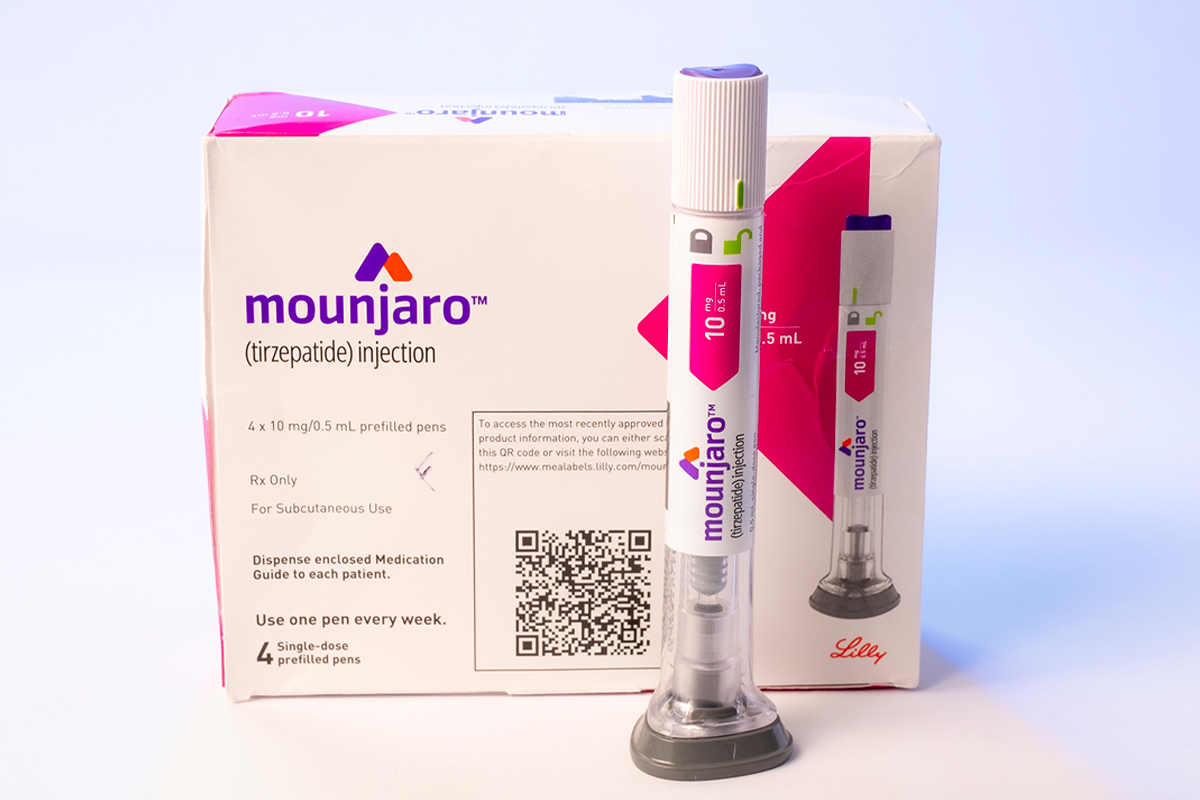
The U.S. Food and Drug Administration officially approved Eli Lilly’s diabetes drug Mounjaro for treatment of obesity. Overweight people will also be able to take the drug if they have at least one weight-related condition such as high blood pressure, type 2 diabetes, or high cholesterol.
The repurposed drug received Priority Review and Fast Track designations by the agency for use in weight loss and will be sold under brand name Zepbound.
This is a “ground breaking development” for the care of patients with excess weight,” Dr. Konstantinos Spaniolas, director of the Stony Brook Bariatric and Metabolic Weight Loss Center, told The Epoch Times.
“The next step would be for insurance companies to acknowledge the science, access this FDA determination and allow true access for their patients,” Dr. Spaniolas added.
FDA: Zepbound Addresses ‘Unmet Need’
“Obesity and overweight are serious conditions that can be associated with some of the leading causes of death such as heart disease, stroke and diabetes,” Dr. John Sharretts, director of the Division of Diabetes, Lipid Disorders, and Obesity in the FDA’s Center for Drug Evaluation and Research, said in a statement.
FDA’s approval addresses an “unmet medical need,” he noted. About 74 percent of American adults are overweight or obese, and nearly 42 percent obese, according to the U.S. Centers for Disease Control and Prevention.
Terzepatide, the active ingredient in Zepbound, like semaglutide in Wegovy and Ozempic, works by mimicking a hormone called glucagon-like peptide-1 (GLP-1) that increases the feeling of fullness after eating. However, tirzepatide also targets a second hormone called glucose-dependent insulinotropic polypeptide (GIP), the role of which is to stimulate insulin secretion.
Effectiveness Confirmed in Two Randomized Trials
The FDA confirmed Zepbound’s weight loss efficacy in two placebo-controlled trials with over 2,500 overweight or obese adults.
In the larger trial of non-diabetics, participants had an average BMI of 38 and baseline weight of 231 pounds. After 72 weeks of treatment, those given the maximum 15 mg dose lost 18 percent body weight on average versus placebo.
In the diabetes trial, average baseline BMI was 36. The 15 mg group lost 12 percent body weight versus placebo.
Early data even suggests Zepbound may outperform similar drugs like Wegovy and Ozempic for weight loss. A 2021 trial found slightly greater average loss for tirzepatide versus semaglutide users.
Potential Side Effects of Zepbound
The FDA warns Zepbound can cause nausea, diarrhea, vomiting, abdominal pain, injection site reactions, fatigue, allergic reactions, acid reflux, and hair loss.
The drug caused thyroid tumors in animal studies, so it shouldn’t be used by those with personal or family histories of medullary thyroid cancer or Multiple Endocrine Neoplasia syndrome type 2, a rare hereditary condition, according to the FDA.
Zepbound hasn’t been studied in patients with a history of pancreas inflammation or severe gastrointestinal disease, including severe gastroparesis, which affects normal movement of the stomach muscles.
The FDA cautions against combining Zepbound with other GLP-1 drugs like Ozempic and Wegovy or the diabetes medication Mounjaro. Effectiveness and safety when combined with other weight loss medications has not been established.