



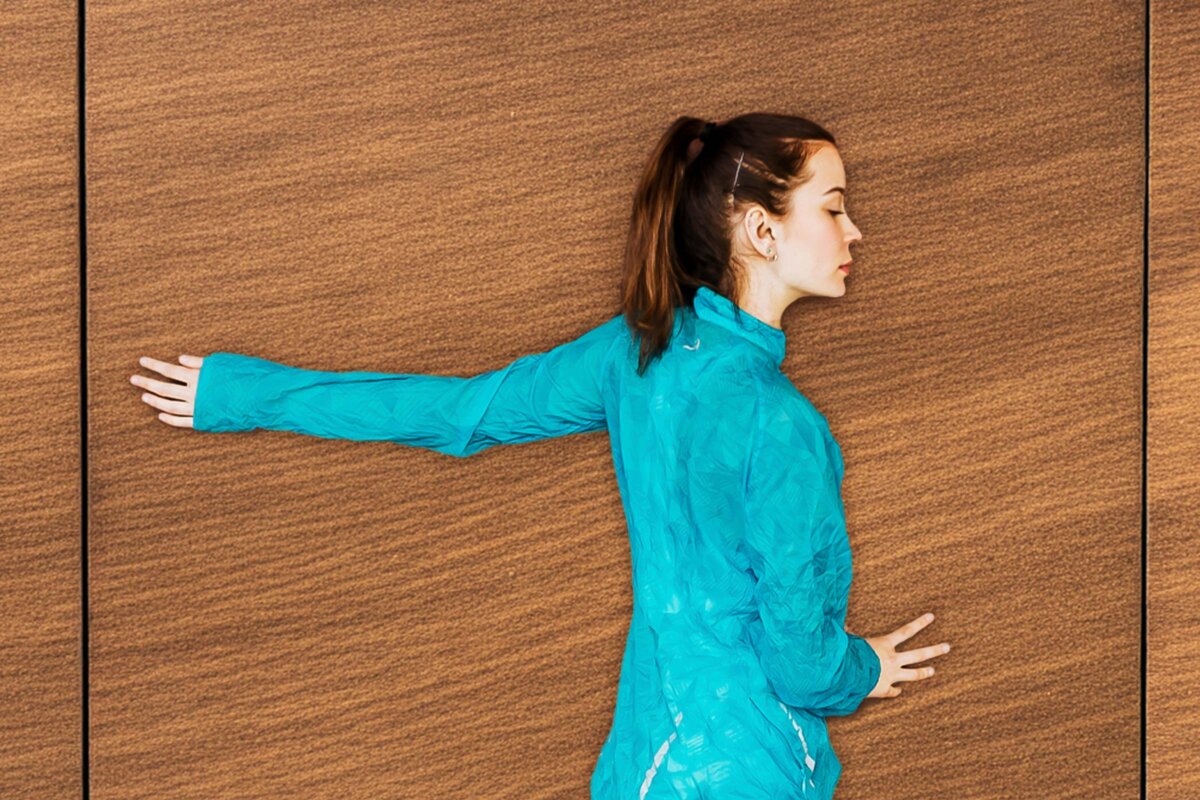
Shoulders are getting tighter. With the move away from a rural-agrarian culture toward ever greater technical sophistication, our arms spend more time at our sides, which isn’t good. Arms, after all, are made to move, not sit idle by our sides. When they do that, they tend to become stiff, and pathological processes can sometimes set in. It doesn’t get better with age.
There are many different approaches to exercising your shoulders and maintaining an effective range of motion. Scrubbing and wiping motions are excellent therapeutic tools and one way to provide safe, honest work for the shoulders. They work the shoulders in gravity-reduced or eliminated positions to go easy on painful muscles, or directly against gravity to strengthen and improve range of motion.
The use of walls and tables helps define and refine shoulder movements by reducing movement variability, and it makes the exercises convenient for a quick break from work.
5 Simple Movements That Support Shoulder Mobility
In this set, I’ve included several exercises to preserve maximal shoulder movement and flexibility, helping keep your shoulders in a pain-free or pain-reduced state as you move throughout your day. Healthy, happy shoulders make for happy, functional people.
These exercises work well for my patients, and I think you’ll like them too. I advise that you consult with your medical provider first, however, to ensure they are right for you.
1. Anterior/Posterior Scrubs
Anterior/posterior scrubs sound so fancy, but we can demystify them by calling them back-and-forth scrubs. Who would have ever known that the same movements you use to clean stains off a counter could help take strain off your shoulders? The scrubbing movements focus on strict shoulder flexion and extension. Having your hands resting on a table reduces shoulder strain.
Step 1: Sit in a chair in front of a table, approximately two to 2 1/2 feet away. Make sure the table is clear of clutter.
Step 2: Place both hands on a washcloth or towel at the edge of the table to allow them to slide more easily.
Step 3: Slowly lean forward while extending your elbows, moving your hands across the table. Continue stretching into the movement until you move as far as you comfortably can, or your upper body comes into contact with the top of the table. From here, return to the start position.
Step 4: Leaning into the stretch, then moving back upright, counts as one repetition. Try to perform three sets of 12 repetitions per side.
Modifications: Move back and forth only as far as you comfortably can. Don’t push it. Slowing this exercise down can help make it more tolerable for shoulders that might otherwise complain. You can also perform this exercise with one arm at a time.
Why I Like Them: With this exercise, you can polish your tables while working on your body. OK, that may be true, but I really like them because they provide powerful shoulder flexion while reducing your need to work against gravity, which can often reduce or eliminate pain.
2. Abduction Scrubs
The movement is right there in the name: This exercise focuses directly on strict shoulder abduction. Arms generally need to move away from the body to access the environment. Both flexion and abduction are principal shoulder movements, and this exercise focuses on abduction. Even better, all you have to do to perform these exercises is turn sideways after the last exercise.
Step 1: Sit your chair beside the table you used for the front-and-back scrubs of the last exercise, approximately two to 2 1/2 feet away.
Step 2: Place your right hand on the table, resting it on a cloth that allows your hand to slide easily.
Step 3: Lean to the right as you extend your elbow, sliding your right hand as far across the table as you comfortably can. Once you move laterally as far as you can, return to the starting position. Leaning to the side and then returning to the starting position counts as one repetition. Try to perform three sets of 12 repetitions. You can perform all sets on one side and then the other.
Modifications: Reach only as far as you comfortably can. Don’t provoke your shoulders into pain; it hurts their feelings, and they’ll tell you about it for the rest of the day.
Why I Like Them: Performing abduction scrubs on a tabletop allows you to precisely dial in shoulder abduction, and you can lean into the movement without potentially overworking your deltoids.
3. Windshield Wipers
Well done! You’ve thus far completed shoulder flexion, extension, and abduction. Now, let’s try a little internal and external rotation of your arms.
Step 1: Stand in front of a wall. Bend your elbows to 90 degrees while flexing your shoulders to 90 degrees, and then place your forearms on the wall with your hands aiming straight up toward the ceiling. You can place your palms flat on the wall, or you can “blade” your hand against it.
Step 2: Initiate movement by slowly sliding your right hand down the wall until your forearm is either completely horizontal or as far as you can move it. Your elbow will be the pivot point, not moving relative to the wall, but centering the rotation.
Step 3: As soon as you move it into a horizontal position, or as far as you can, slowly return your arm to the starting position.
Step 4: Moving your arm horizontally and then back up counts as one repetition. Try to perform three sets of 12 repetitions per side.
Modifications: Move in each direction only as far as you comfortably can. Note that it is common for one arm to move more easily than the other. You can perform all sets on one side, then the other, or alternate sides as you go. Both ways work well.
Why I Like Them: Windshield wipers using your arms are nice, pure internal and external rotation movements for your shoulders. The simplicity and effectiveness of this exercise are delightful.
4. Up/Down Wall Slides
Let’s take the fancy-sounding anterior/posterior scrubs and take them into vertical movement. A more technical term would be superior/inferior slides, but the word “inferior” doesn’t belong here, because both you and this exercise are awesome! Standing shoulder flexion is perhaps the cardinal shoulder movement, while also moving your shoulders against gravity.
Step 1: Face a wall, standing approximately two feet away from it.
Step 2: Place your right hand on the wall, keeping your upper arm against the side of your body.
Step 3: Slowly slide your hand straight up toward the ceiling as far as you comfortably can, then slowly slide it back to the starting position.
Step 4: Sliding your hand up, then back down, counts as one repetition. Try to perform three sets of 12 repetitions per side.
Modifications: Slide up and down only as far as you comfortably can. Wall slides heavily engage your anterior deltoids, and you may feel significant exertion. Be sure to keep the movements slow to avoid stressing your shoulders. You can place your hand on a washcloth or other cloth to make it easier to slide your hand up if needed. As with other exercises, you can perform all sets on one side and then the other, or alternate sides as you progress.
Why I Like Them: Wall slides provide both stretching and strengthening and help your body stay familiar with expansive shoulder movements, which can become a concern in this technological world, where our arms stay by our sides much of the time.
5. Wall Arch Slides
This exercise started as a dance move in the early 1990s. OK, that’s actually when my career got started. Wall arch slides have been around longer than that, and, like a good dance move, they endure. This movement takes your shoulder through an arcing motion that engages all of your deltoids and makes good use of part of the rotational potential that the shoulder joint offers.
Step 1: Stand with your right side next to a wall, approximately two to three feet away. Keeping your body facing forward, place your palm on the wall in front of you.
Step 2: Slowly slide your arm up in an arc on the wall as you hold your upper body in place, starting with your palm on the wall in front of you, transitioning to having your palm on the wall overhead, and then having your palm on the wall (at least partially) behind you. Be sure to move slowly through the range of motion, because a lot is going on here.
Step 3: Once your arm moves as far backward as it comfortably can, slowly reverse the arc and return it to the starting position.
Step 4: Moving your arm in an arc one way, and then back, counts as one repetition. Try to perform three sets of 12 repetitions.
Modifications: If you can’t reach all the way up and back during the arcing motions, it can help to bend your elbow a little to take the stress off your shoulders. Standing a little farther from the wall can help reduce the arc’s overall height, making it more tolerable for movement-limited shoulders.
Why I Like Them: Although some of the exercises expertly (and necessarily) focus on strict movement aspects, this exercise has an excellent functional movement focus, very much resembling the movements we routinely do throughout the day.
I think you’ll like these exercises. They are both highly controllable and effective, with only a small learning curve. They are also generally low-stress overall, which should make them a good fit for most of you. I recommend performing them at least three times a week, preferably five times a week, for optimal results. I think they’ll work well for you.
About the Fitness Model: Aerowenn Hunter is a health editor for The Epoch Times. She’s an accredited yoga therapist with three decades of teaching experience.
Views expressed in this article are the opinions of the author and do not necessarily reflect the views of The Epoch Times. Epoch Health welcomes professional discussion and friendly debate. To submit an opinion piece, please follow these guidelines and submit through our form here.