



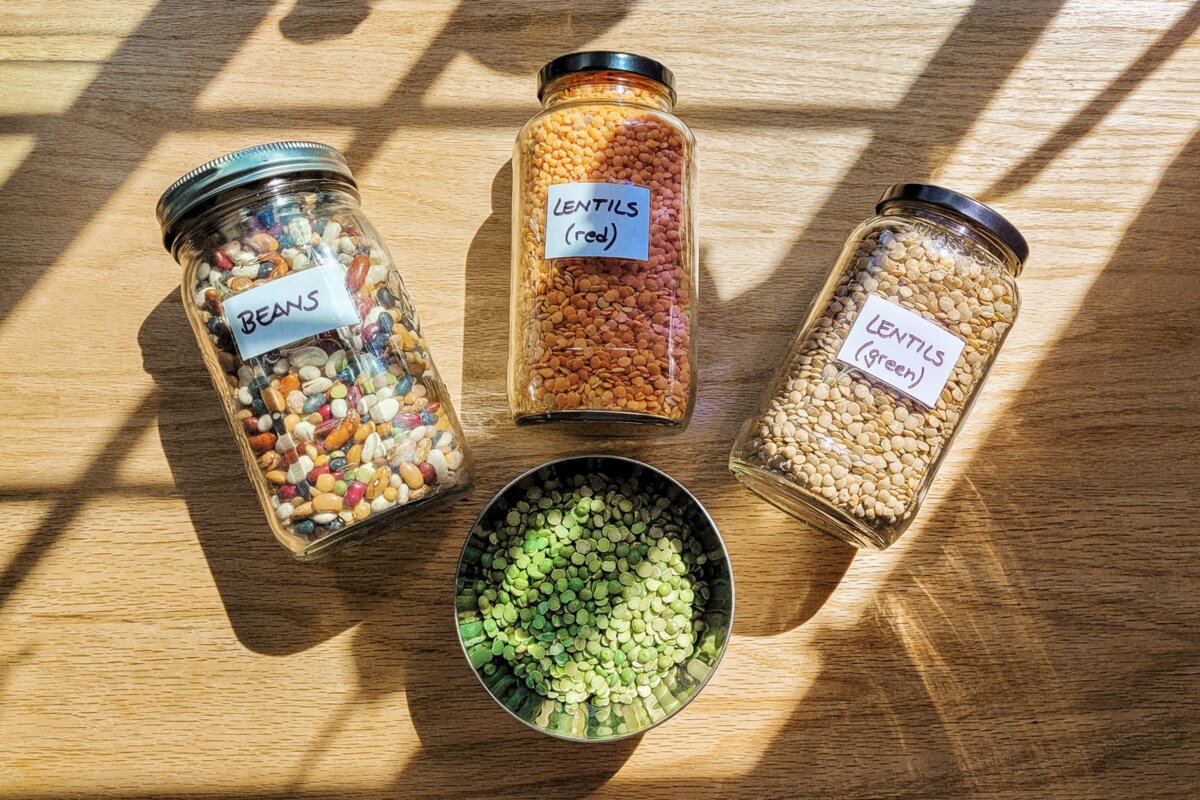
Legumes are a versatile, nutrient-dense staple that is easy to incorporate into everyday meals. From lentils to beans, they provide plant-based protein, fiber, and a range of essential nutrients.
However, they also contain natural antinutrients—compounds that can interfere with nutrient absorption and contribute to digestive discomfort, such as bloating or gas.
The good news is that simple preparation methods can make a meaningful difference by reducing these compounds and making legumes easier to digest, allowing the body to better absorb their nutrients.
What Are Antinutrients?
Antinutrients are naturally occurring compounds found in plant-based foods such as nuts, seeds, legumes, and grains that can interfere with the body’s ability to absorb certain nutrients.
They act as a natural defense mechanism for plants against pests and can bind to essential minerals such as calcium, iron, and zinc, reducing their availability. Common antinutrients include phytates, lectins, oxalates, and tannins.
Although these compounds can cause bloating or gas, they also have beneficial properties, including antioxidant effects. Rather than avoiding them entirely, proper preparation of beans, lentils, and peas can help reduce their negative effects while preserving their nutritional value.
5 Ways to Prepare Legumes
There are several effective ways to reduce antinutrient levels in legumes to improve digestion and reduce flatulence. Try different techniques to find what works best for your preferred texture and taste.
Most of the five methods use the same basic ingredients and tools:
Ingredients
- 1 cup legumes of your choice (beans, lentils, or peas)
- Filtered (or distilled) water
Tools
- 1 to 2 bowls
- Strainer
- Pot
- Wooden spoon
1. Soaking and Sprouting
Soaking and sprouting legumes helps reduce antinutrients, improve digestibility and nutrient availability, and shorten cooking time. This process also helps break down compounds that can cause gas and reduce enzyme inhibitors, making legumes gentler on the stomach.
Instructions
Step 1: Add the desired amount of your preferred dried legumes to a bowl and cover completely with water. Filtered or distilled water works best; avoid using chlorinated water.
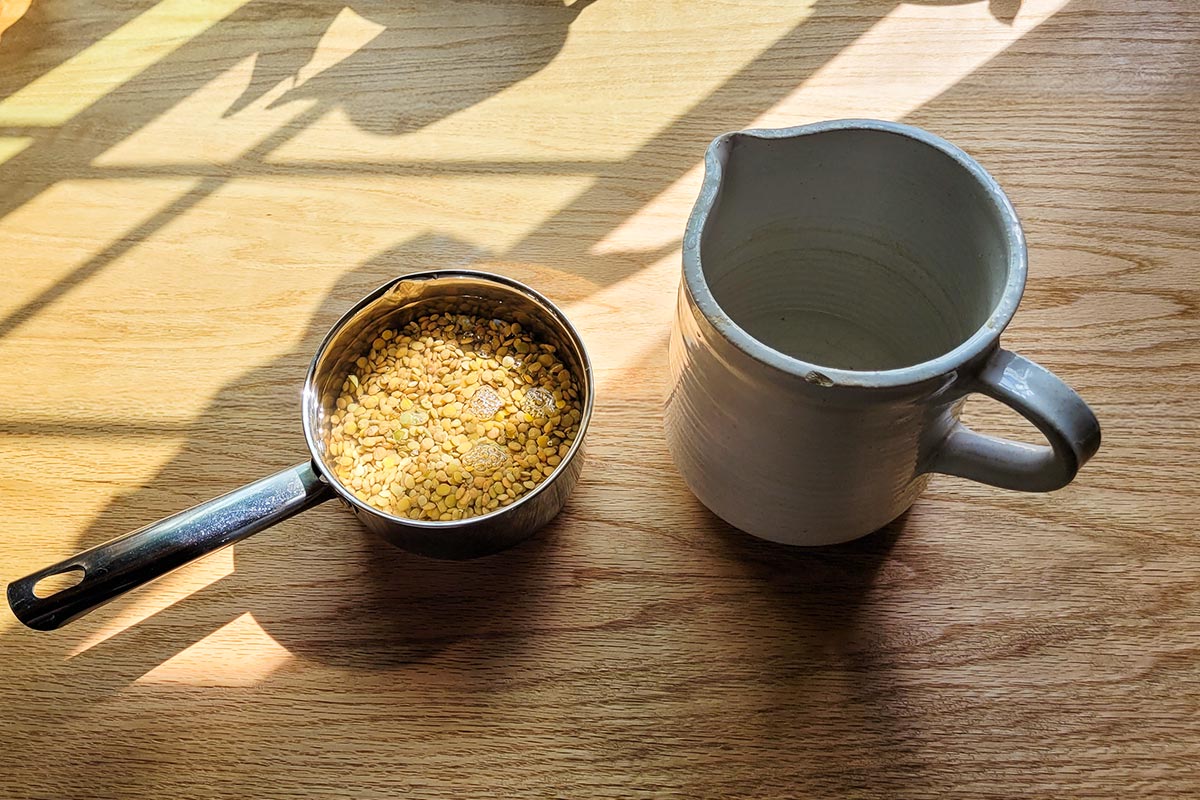
Step 2: Soak for six to 12 hours. Drain, replace with fresh water, and soak for another six to 12 hours.
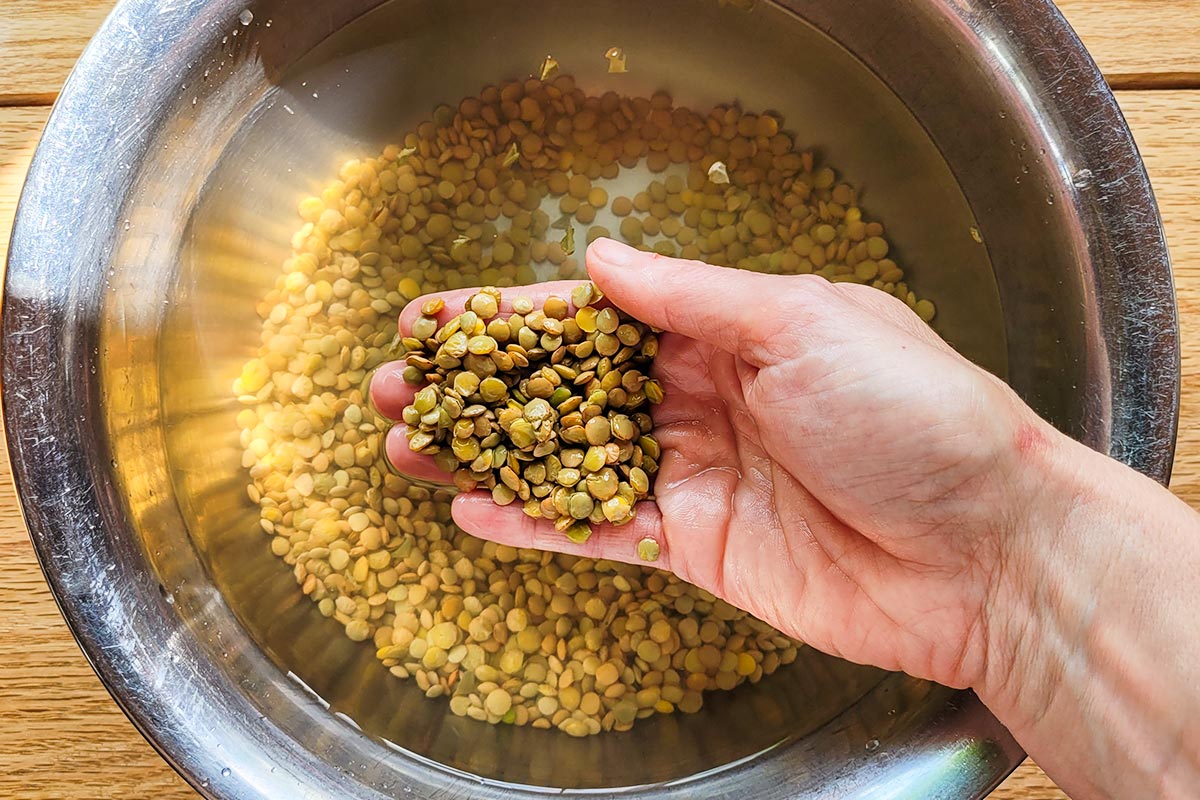
Step 3: After soaking, rinse and drain the legumes thoroughly two to three times per day to encourage sprouting.
Step 4: Sprouted legumes are ready when a small sprout—about a quarter inch—emerges from the seed.
If using sprouted legumes for soups, stews, salads, or as toppings, drain thoroughly, cook to your liking, and use immediately or refrigerate for up to three days.
2. Boiling
Boiling uses high heat to break down antinutrients and soften legumes, making them easier to digest. This method is faster and less labor-intensive than sprouting.
Instructions
Step 1: Soak beans, peas, or lentils in water for six to 12 hours, then drain and rinse thoroughly.
Step 2: Add soaked legumes to a pot and cover with water, about 1 inch above the legumes.
Step 3: Cook for 10 to 30 minutes, or until tender (lentils will cook faster than beans).
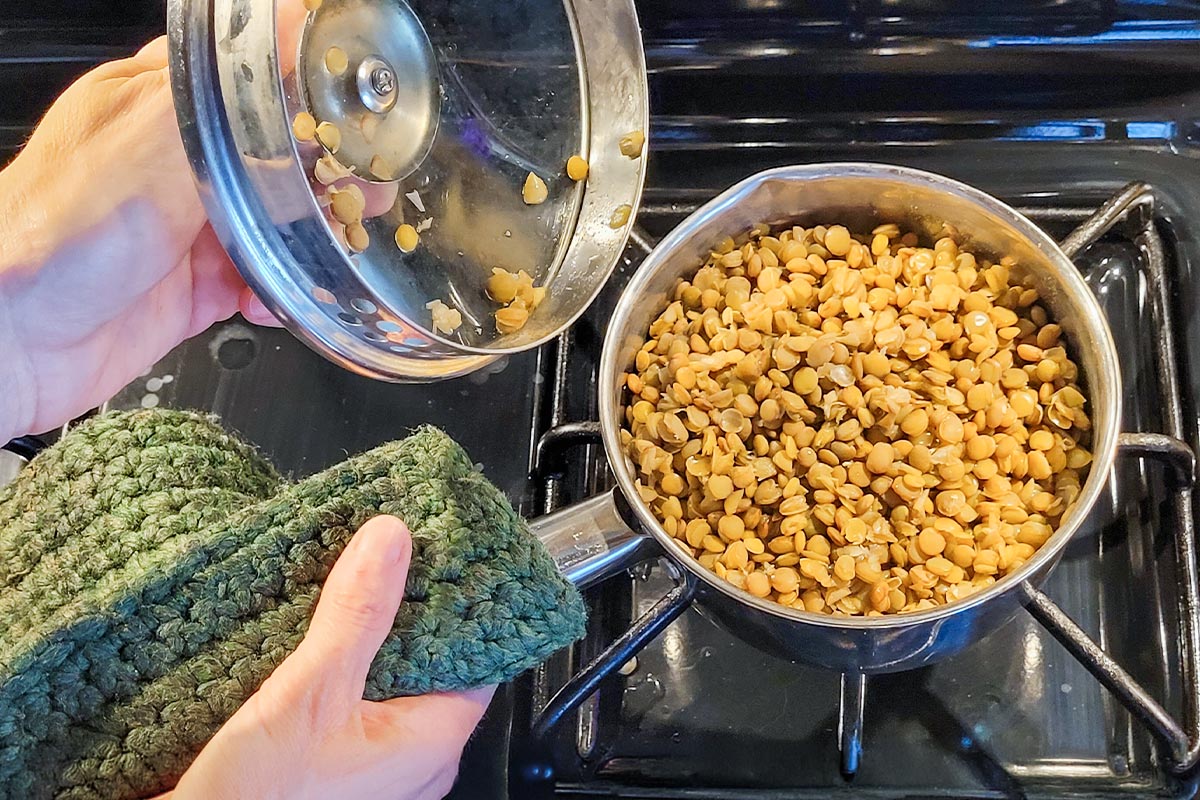
With both soaking or sprouting and boiling, the drained water may appear cloudy or slightly foamy because of released starches and plant compounds.
3. Chilling
Chilling increases resistant starch, which supports gut health and helps stabilize blood sugar.
Through the chilling process, some starches resist digestion in the small intestine and act as prebiotics in the large intestine, supporting gut health, helping regulate blood sugar, and reducing gas.
To chill cooked legumes, place them in the refrigerator for several hours until completely cooled.
4. High-Pressure Cooking
High-pressure cooking significantly reduces cooking time while effectively breaking down antinutrients and tough fibers, making legumes easier to digest.
Instructions
Step 1: Soak legumes as described in steps 1 and 2 above, or at a minimum, rinse thoroughly before cooking.
Step 2: Add legumes to a pressure cooker with water or broth, using a ratio of 1 pound of legumes to 6 to 8 cups of liquid.
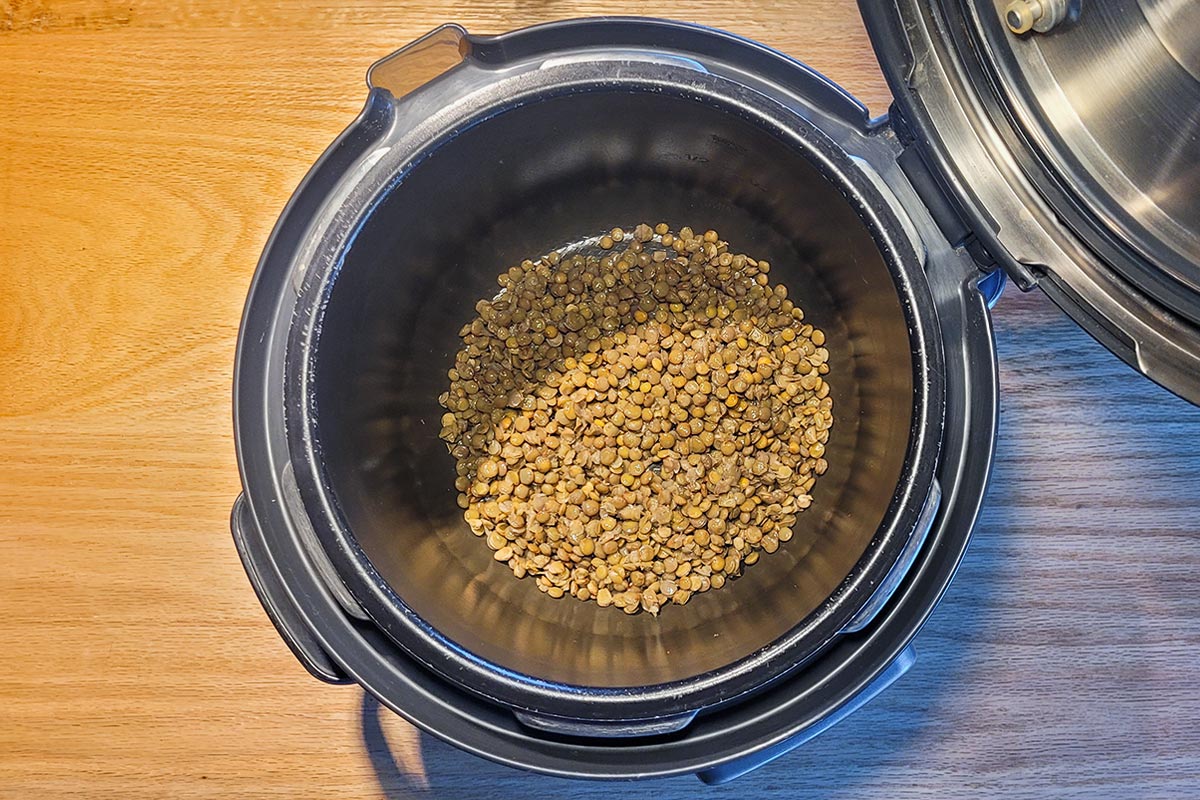
Step 3: Cook unsoaked legumes for 25 to 40 minutes or soaked legumes for eight to 15 minutes, followed by your cooker’s pressure release time.
5. Fermentation
Fermentation uses beneficial bacteria to break down antinutrients and enhance gut-friendly compounds.
You can ferment raw legumes using a salt brine method, a form of lacto-fermentation.
I prefer the salt brine method, which I described in detail in an earlier article on fermented beet kvass.
Instructions
Step 1: Add the desired amount of your preferred raw legumes to a bowl and cover completely with filtered or distilled water.
Step 2: Soak for six to 12 hours. Drain, replace with fresh water, and soak for another six to 12 hours.
Step 3: Prepare the salt brine by adding 1 tablespoon of salt to 1 cup of water.
Step 4: Transfer the soaked legumes to a jar and cover completely with the brine. Allow to ferment at room temperature for two to five days. If you don’t use a fermentation lid, make sure to periodically “burp” the jar by releasing pressure.
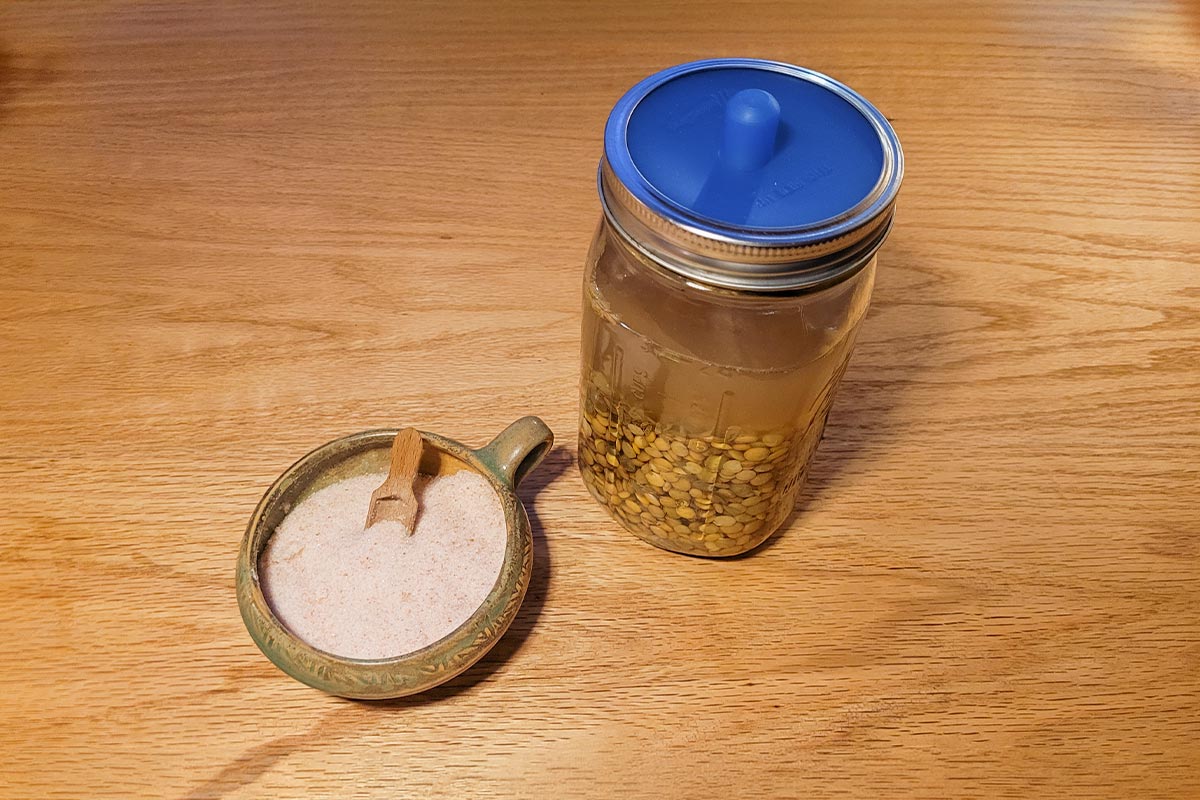
Step 5: Rinse the fermented legumes, then cook them using your preferred method before eating.
Safety Note
Always inspect your sprouted or fermented legumes for any signs of mold or spoilage before use. After preparation, thoroughly cook or dry them before storing to reduce the risk of foodborne illness. When properly handled and prepared, sprouted and fermented legumes are a safe and nutritious option for most people.
Legumes are a low-cost staple that can support overall health when properly prepared. Proper preparation methods, such as soaking and sprouting, can help reduce antinutrients and improve the digestibility and nutrient availability of legumes.
For more information on soaking and sprouting, check out our miniseries.