



High blood pressure, also known as hypertension, is perhaps the king of the silent killers. About half of us have it, though you may not know it unless you test for it.
I’ve seen countless patients in the clinic with alarmingly high blood pressure who appear perfectly normal and say they feel fine. I’ve also met plenty of people who are aware of their hypertension, but because they feel fine, they do nothing about it.
While it’s an easy diagnosis to ignore, the consequences can be devastating. Sustained high blood pressure can eventually provoke strokes, heart attacks, and many other major problems. It’s tough on organs and is the second leading cause of kidney failure, which can lead to the need for dialysis. Trust me, this last reason alone is enough to be proactive about controlling your blood pressure.
The following exercises can help you control hypertension. I recommend working with your medical provider to address your hypertension and to make sure these exercises are right for you.
6 Exercises to Help Control High Blood Pressure
1. Walking
Regular walking is a great way to control high blood pressure. It is a simple exercise that almost everyone can do, and it benefits the whole body by strengthening joints and muscles and enhancing endurance.
Step 1: Start walking at about half your normal walking speed for 5 minutes.
Step 2: Speed up to your normal walking pace for 25 minutes. Put in a good effort, but pay attention to your body so you don’t overdo it.
Step 3: Cool down by slowing to half of your normal walking pace for 5 minutes.
The great thing about walking is that it helps you limber up almost every joint in your body and builds endurance over time.
2. Standing Toe Touches
This exercise is a great way to improve cardiovascular health, flexibility, and balance.
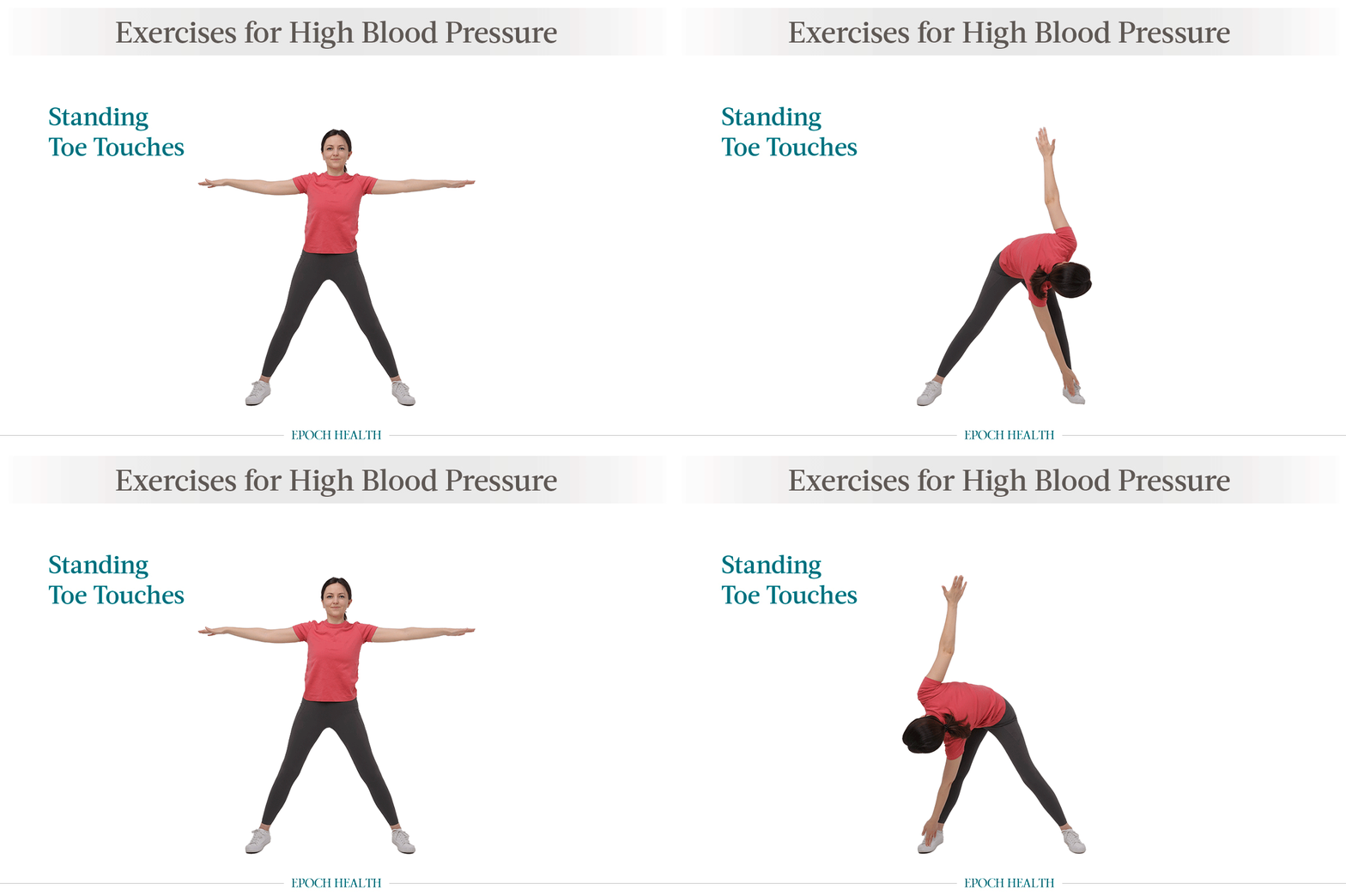
Step 1: Stand with your feet about shoulder-width apart and your hands extended to the sides at shoulder level.
Step 2: Bend forward at the hips and touch your left foot with your right hand, taking about one second to move down.
Step 3: Come back up, then repeat on the other side.
Step 4: This counts as one repetition. Try to perform 30 repetitions per set and three sets.
You can either perform this exercise on one side at a time or alternate sides, depending on your preference.
As the number of sets increases, this workout will become more challenging, but that’s the goal. Feel free to experiment with different sets and repetitions to determine what works best for you.
3. Front Kick Toe Touch
The front kick toe touch is a rigorous lower-body exercise that also engages the arms. This somewhat more advanced exercise provides a great cardiovascular challenge with a high level of exertion in a short amount of time. It can be performed almost anywhere, with or without modifications.
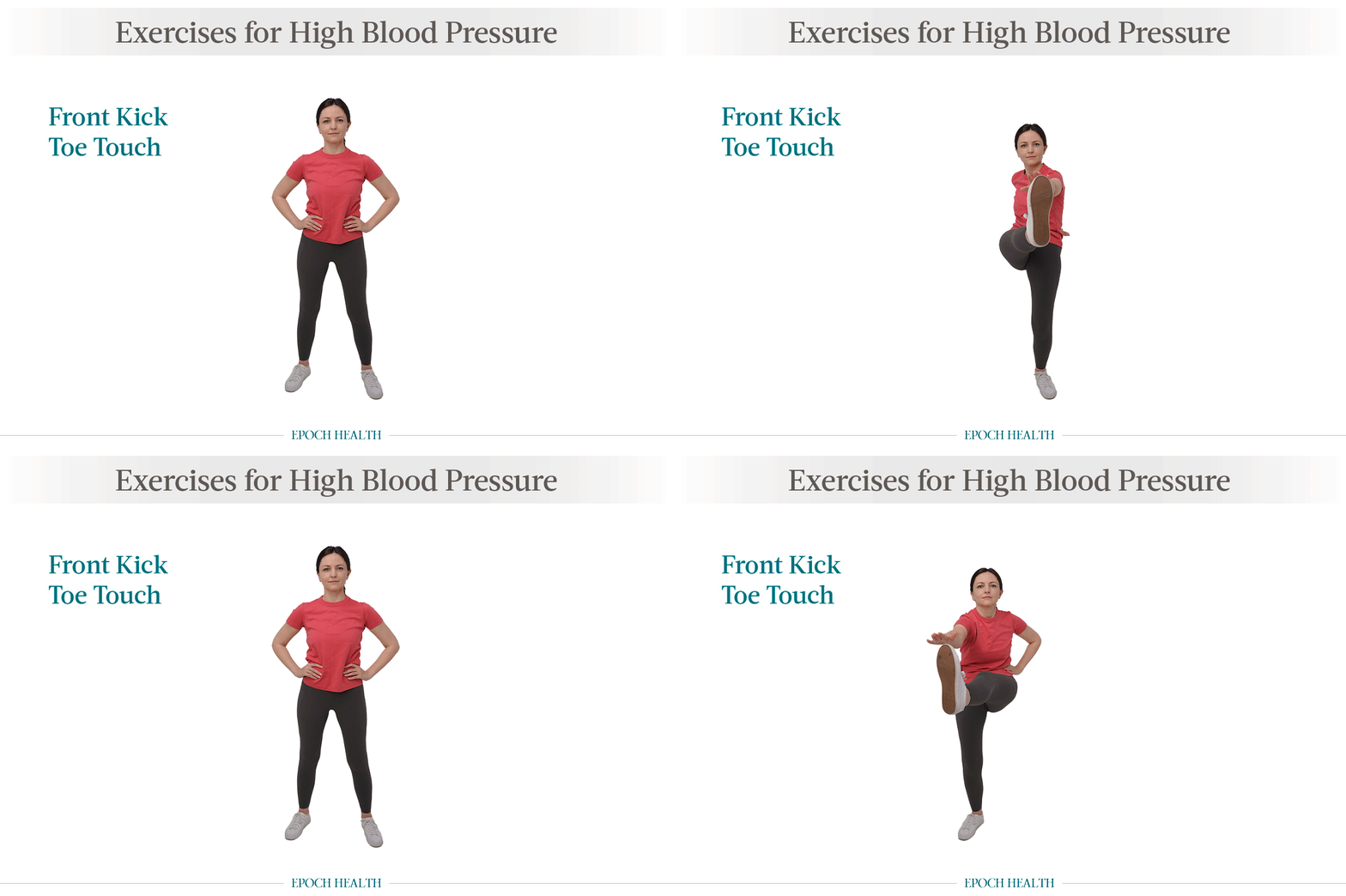
Step 1: Stand with your hands on your hips and your feet shoulder-width apart.
Step 2: Kick your right foot straight out in front of you and try to touch your toe with your left hand. If you can’t reach your toe, reach as far as possible.
Step 3: Return to your starting position and repeat on the other side.
Step 4: This counts as one repetition. Try to perform three sets of 30 repetitions per set.
This exercise may sound simple, but it is, and it isn’t. Feel free to perform all repetitions on one side at a time or alternate between sides, which can be more challenging.
4. Touch Floor/Touch Sky
This exercise is familiar to many patients undergoing rehabilitation. It is a highly effective way to enhance balance while providing a physical challenge to build endurance. The exercise trains the body to maintain balance during compound movements, often necessary for performing functional tasks safely around the house.
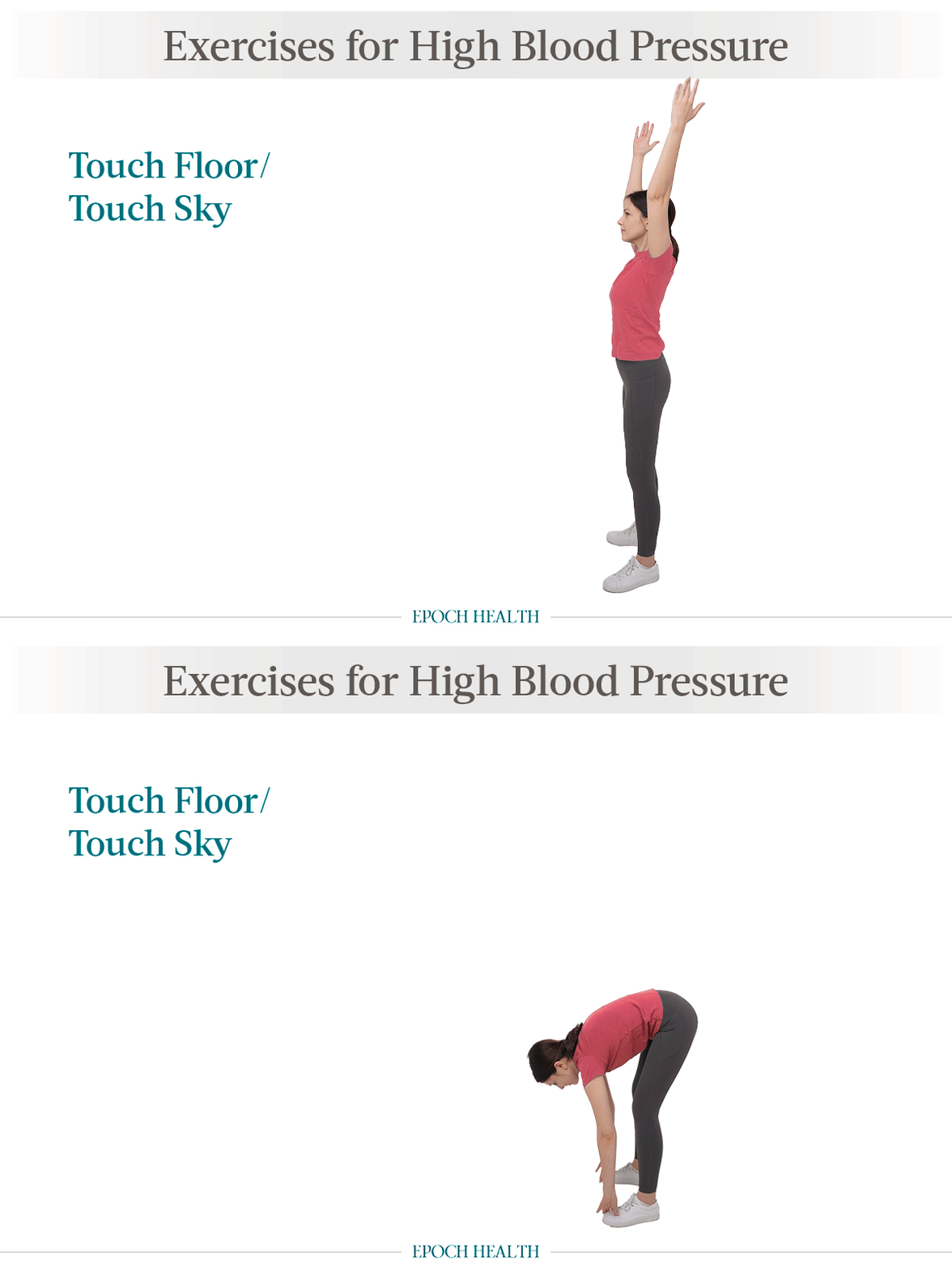
Step 1: Move into a standing position, standing as upright as possible over your center of gravity with your feet about 12 inches apart. Your arms should be hanging straight down by your sides.
Step 2: Slowly lift your arms above your head. Push your hips forward and pull your shoulders back at the same time to ensure you are as upright as possible—as if trying to touch the sky. Hold this pose for three seconds.
Step 3: Slowly lower your arms while bending your hips until you touch the floor or reach down as far as possible. Don’t round your back, and keep your head down. If needed, try slightly bending your knees to take pressure off your back and hamstrings. Hold for three seconds before slowly standing back up and reaching over your head again.
Step 4: Reaching up and then down counts as one repetition. I recommend performing three sets of 15 repetitions, but you can adjust the numbers as wanted or needed.
5. Chair Squats
I’ve lost count of the number of times new patients have smirked when I first instructed this exercise. However, after just a few minutes, they often try to conceal their fatigue because chair squats are surprisingly effective. Do enough of them, and they can flat wear you out.
Although initially challenging, sticking with this exercise will reward you with both strength and cardiovascular gains.
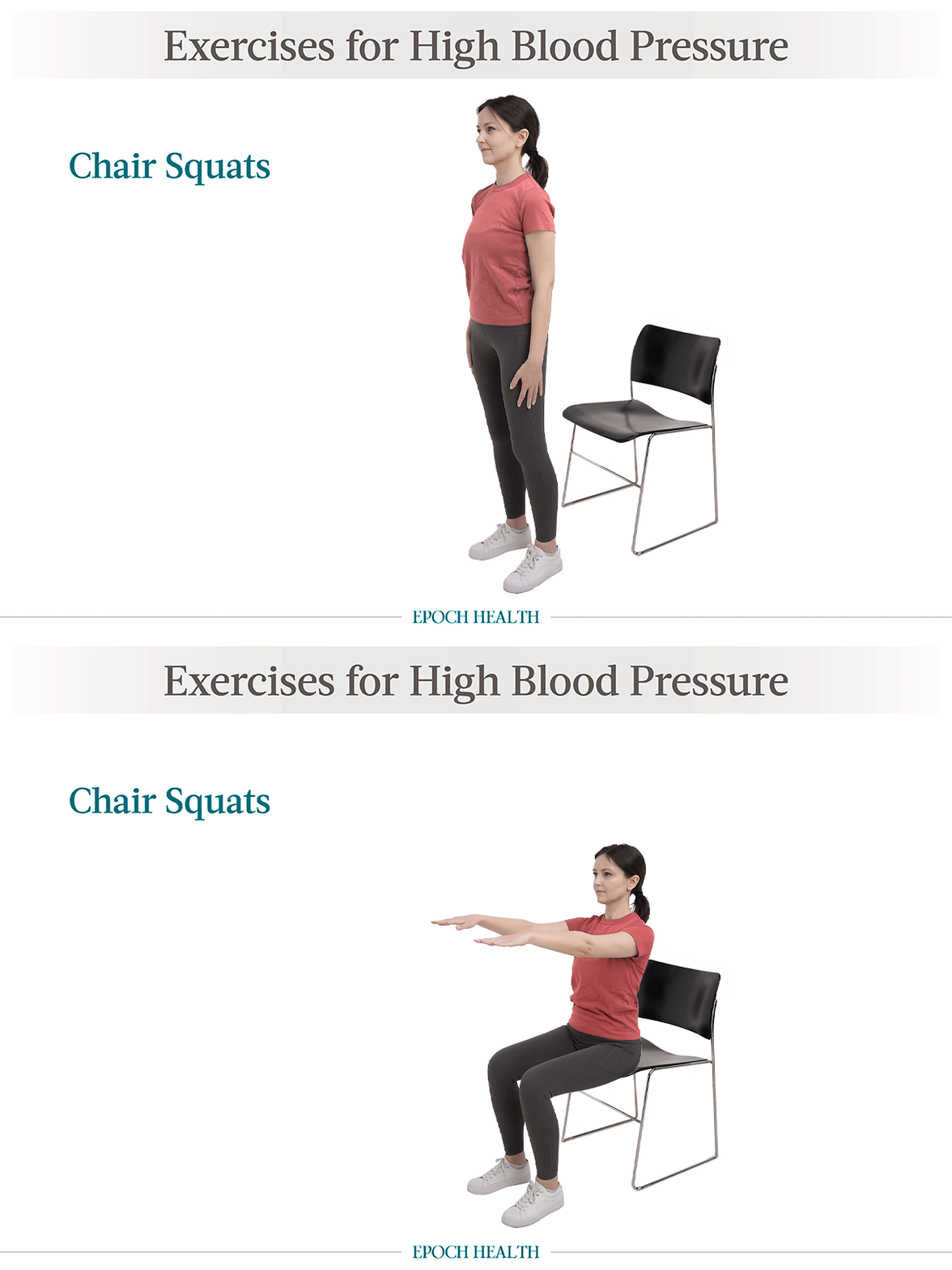
Step 1: Sit upright at the front of a chair with your arms extended straight in front of you.
Step 2: Slowly begin standing, taking two to three seconds to come up.
Step 3: Without stopping, slowly sit back down. Avoid “plopping” down, which can strain your spine.
Step 4: This counts as one repetition. Try to perform three sets of 20 repetitions, making adjustments as desired.
I’ve seen a significant variation in how people perform this exercise. If you can’t perform the suggested number of repetitions or sets, do what you can, then gradually work your way up. On the other hand, if you find that the suggested sets and repetitions are not challenging enough, feel free to add more.
6. Standing Criss-Cross Crunches
This exercise starts with almost the same position as the front kick toe touch but introduces a later trunk movement and dynamic trunk rotation. It also shares some similarities with the standing march but engages the trunk muscles better.
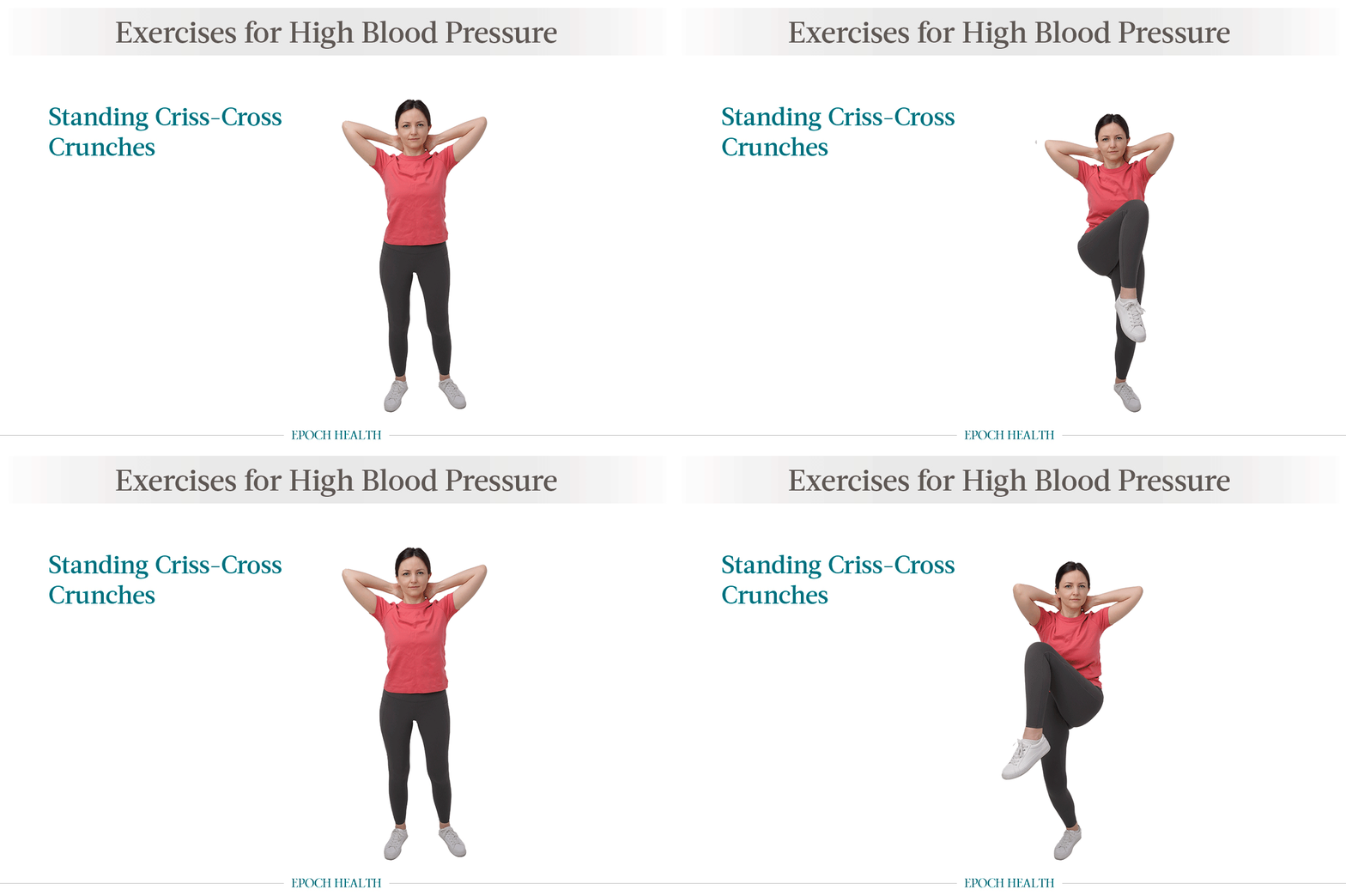
Step 1: Stand with your feet approximately shoulder-width apart. Place your hands behind your head with your elbows extended straight out.
Step 2: Begin by lifting your right leg with your knee bent while moving it across your midline. Simultaneously, rotate your trunk to the right as far as you can while staying upright. Bend your hip up to a comfortable range and slowly lower your leg back to the starting position while turning your trunk back toward the front. Repeat the movement using your left leg.
Step 3: This counts as one repetition. Try to perform three sets of 30 repetitions.
For this activity, you can either perform 30 repetitions while alternating sides or work one side at a time. I find that alternating sides feels the most natural, although it can be harder to keep track of counts.
[note label=”Next” title=”Part 7″ hyperlink=”” description=”Don’t let asthma take your breath away and keep you from exercising. With careful exercises, you can maintain your strength and stay active.”][/note]
Views expressed in this article are the opinions of the author and do not necessarily reflect the views of The Epoch Times. Epoch Health welcomes professional discussion and friendly debate. To submit an opinion piece, please follow these guidelines and submit through our form here.