



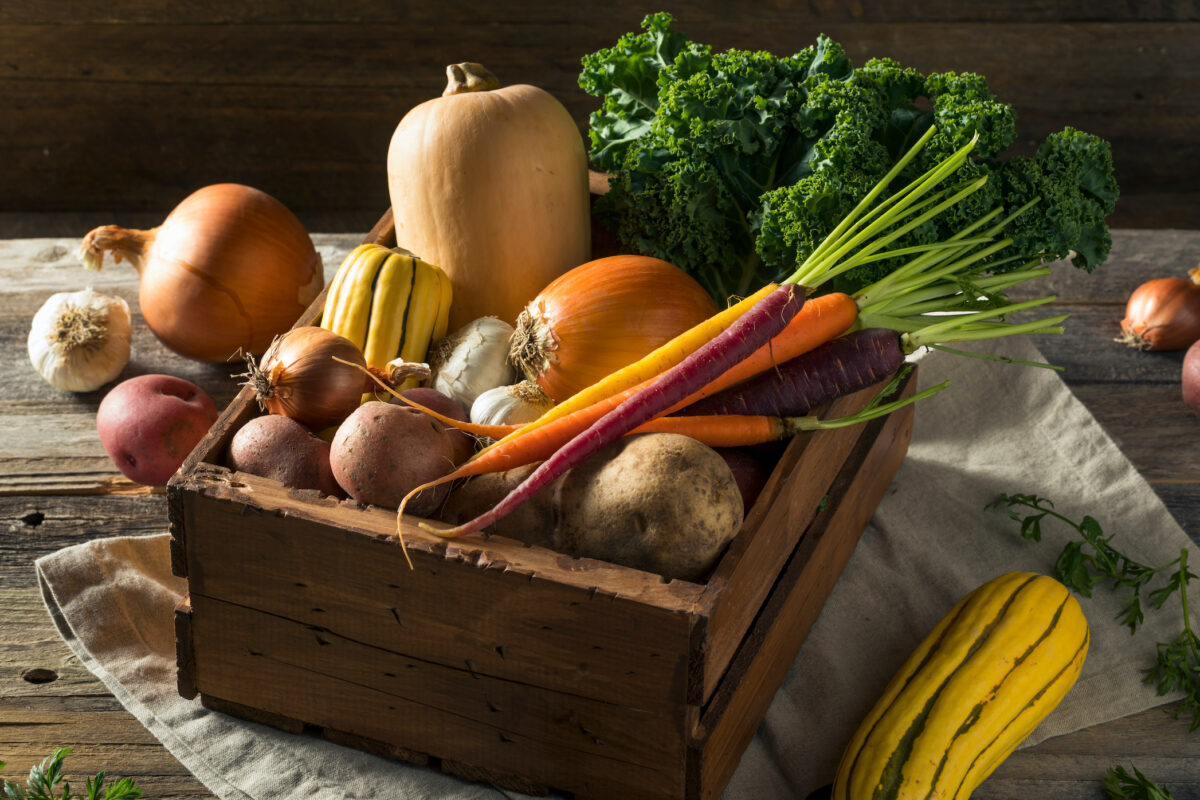
Highlight seasonal foods to enjoy the flavor of fall. This is a great strategy for creating a delicious Thanksgiving or autumn meal relished by all, but one that is especially helpful if you or one of your guests is on a therapeutic diet.
This time of year there is much to celebrate and be thankful for—family, friends, and the flavorful, seasonal foods of autumn.
If you or one of your dinner guests follow a therapeutic diet, such as a gluten-free diet, don’t dwell on the foods you—or they—used to eat. Instead, appreciate the fresh foods all of you can eat. Use the need to adapt the menu to accommodate someone on a therapeutic diet as a golden opportunity to explore the foods of fall in all of their abundance. Meals, side dishes and desserts that are made with seasonal foods have more color, texture, and taste than the sometimes bland white-flour products that end up on many Americans’ Thanksgiving tables. As an added bonus, they have many more nutrients to keep you, your family, and your friends healthy.
Devour The Season
Try these tips to experience the best of autumn:
- Get back to some roots. The traditional vegetables of fall are root vegetables that grow in the ground, including onions, garlic, carrots, parsnips, daikon radish, potatoes, turnips, rutabagas, sweet potatoes and yams. These vegetables store up energy and nutrients for winter and help us do the same when we eat them. As the weather gets colder, it’s a good idea to incorporate more of these vegetables into your diet. Make soups or stews with small amounts of assorted root vegetables and get in the habit of baking sweet potatoes or yams to serve as side dishes with roasted meat or poultry.
- Squash up your diet. Another vegetable of fall is winter squash—a colorful food family that includes acorn squash, butternut squash, and spaghetti squash. You can bake squash whole or cut it in half first before baking. Or you can cut it into chunks and steam it. When the squash is done, top it with butter, flaxseed oil, or almond butter, and a dash of cinnamon or a tiny drizzle of 100 percent pure maple syrup. You also can fill any baked winter squash with your favorite gluten-free stuffing.
- Give ‘em pumpkin to talk about. Perhaps nothing symbolizes autumn quite like pumpkins, another member of the squash family. Both before and after Halloween, thoughts turn to foods we can enjoy made with pumpkin. If you want to bake or steam pumpkin, use the small, pie variety, not the large jack-o-lantern kind. For Thanksgiving, you can make traditional pumpkin pie filling and pour it into a gluten-free pie crust, or a far simpler choice is to grease a pie plate well and pour the filling into the pie plate with no crust at all. If you want a bit of texture in the pie filling, try adding chopped pecans into the batter before baking. To enjoy the autumn-like goodness of pumpkin in a non-sweet way, try making pumpkin soup. It’s a greater starter for a Thanksgiving feast.
- Explore the world of nuts. ‘Tis the season for nuts, so get creative with different types and ways to use them. The simplest way is to serve nuts in their shell with nutcrackers to crack them open—something that is easy for you, and festive and fun for guests. Other suggestions: Toast nuts in the oven to make easy, melt-in-your-mouth snacks or tasty toppers for salads, fruit, cereal, or baked sweet potatoes, yams or winter squash. Put chopped nuts into stuffing. Or make a special seasonal stuffing with chestnuts.
- Highlight fall fruit. Use seasonal fruit—cranberries, apples or pears—in special ways to turn ordinary salads, side dishes, and desserts into festive foods of the season. Make cranberry sauce or cranberry relish from scratch. Add dried cranberries or sliced apple or pear to salads to give them extra holiday sparkle. Include chopped apple in stuffing, or make apple or pear crisp, crumble or pie with gluten-free flour. You and your guests will never miss the gluten!
Organic Mashed Root Vegetables*
Try this colorful, flavorful and nutritious twist on traditional mashed potatoes.
- 1½ lbs. organic rutabagas, peeled, cut into ½-inch pieces
- 2 large organic carrots, peeled and thinly sliced
- ¼ small organic yellow onion, chopped
- 1 bay leaf (optional)
- 1½ lbs. organic Russet potatoes, cut into 1-inch pieces
- 5 Tbsp. organic unsalted butter
- 4 Tbsp. organic gluten-free chicken broth
- Unrefined sea salt and black pepper to taste
Cook the rutabagas, carrots, onion, and bay leaf in large pot of boiling salted water until almost tender, about 15 minutes. Add potatoes and continue cooking until all vegetables are very tender, about 15 minutes longer. Drain, and discard bay leaf.
Return vegetables to the same pot. Stir over medium heat to allow excess water to evaporate 1 or 2 minutes. Remove from heat. Add butter and chicken broth. Mash vegetables with a potato masher or immersion blender until the orange color from the carrots is well blended and the vegetables are almost smooth. Season with approximately ½ tsp. salt, taste the vegetables, then season with additional salt and pepper to taste if desired. Makes 6-8 servings.
*Recipe reprinted from “Going Against GMOs” by Melissa Diane Smith.
Pecan-Pear Autumn Sundaes
Want something easy to fix for your Thanksgiving dessert? Try this: personalized “sundaes” that people can make right at the table! They’re ultra-simple and big hits with guests.
- 8 Tbsp. pecan halves (2 Tbsp. per person)
- 2 medium, ripe, juicy, organic Bartlett pears with the skins on (½ pear per person)
- 1-1/3 cup gluten-free, non-dairy, vanilla-flavored frozen dessert made with coconut milk, or organic gluten-free vanilla-flavored ice cream (1/3-cup frozen dessert per person)
- 100% pure maple syrup (optional)
- Ground cinnamon (optional)
Preheat oven to 325 degrees. Put pecan halves on a cookie sheet, place the sheet on a medium rack in the oven, and toast the pecans for 6-9 minutes until fragrant and browned, being careful not to burn them. While the pecans are toasting, wash pears and cut off any bruised spots. Keep the skin on, slice each pear in half, and cut each half into very thin slices.
Scoop out 1/3-cup frozen dessert and place that amount into four bowls. In each bowl, arrange the thin pear slices from half a pear to the side of and on top of the frozen dessert, then top with 2 Tbsp. of toasted pecan halves. Place maple syrup and ground cinnamon on the table and allow dinner guests to eat dessert as is or add a few drops of maple syrup or ground cinnamon as desired to create their own personalized sundaes. Serves 4.
*Recipe reprinted from “Gluten Free Throughout the Year” by Melissa Diane Smith.