




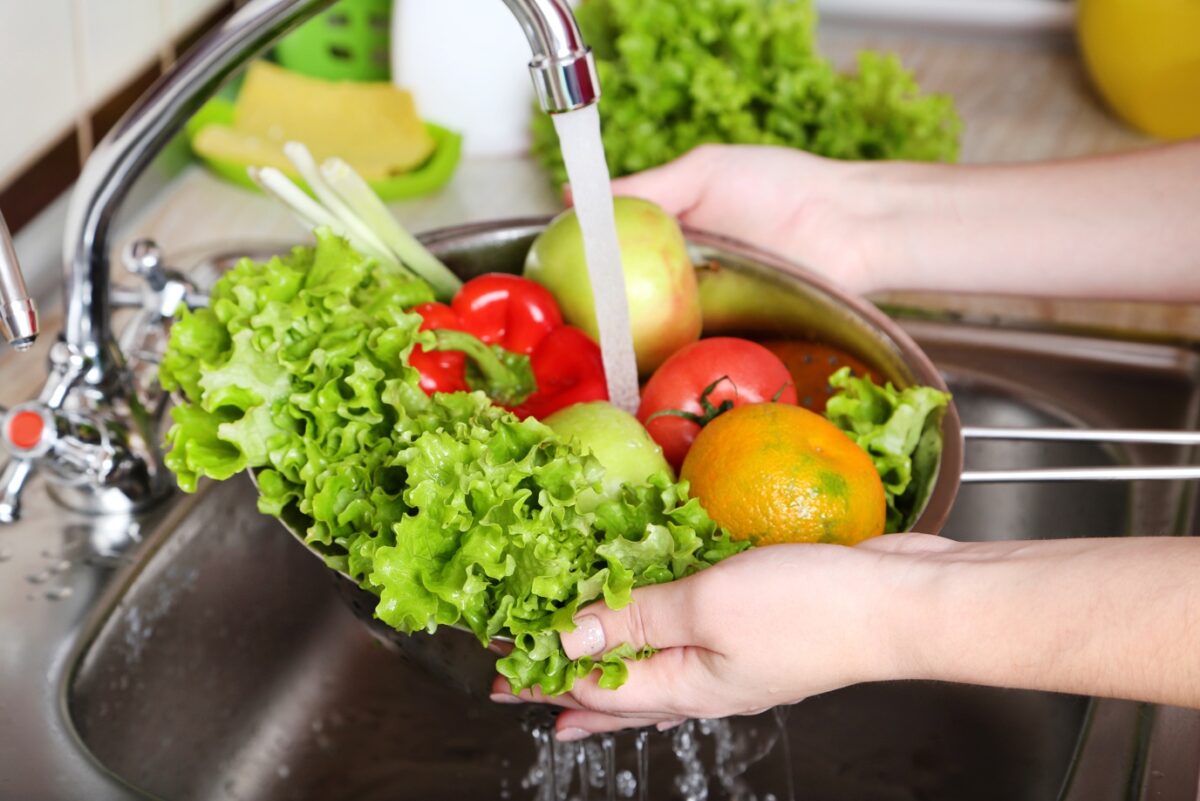
Fruits and vegetables contain essential nutrients vital for our health, but not cleaning them well before eating can leave behind pesticides, harmful bacteria, and viruses.
Dr. Tzung-Hai Yen, a professor at the Department of Nephrology and Clinical Poison Center, Chang Gung Memorial Hospital in Linkou, Taiwan, provides practical guidance on how to properly wash fruits and vegetables to minimize the risk of disease transmission.
How to Thoroughly Clean of Our Food
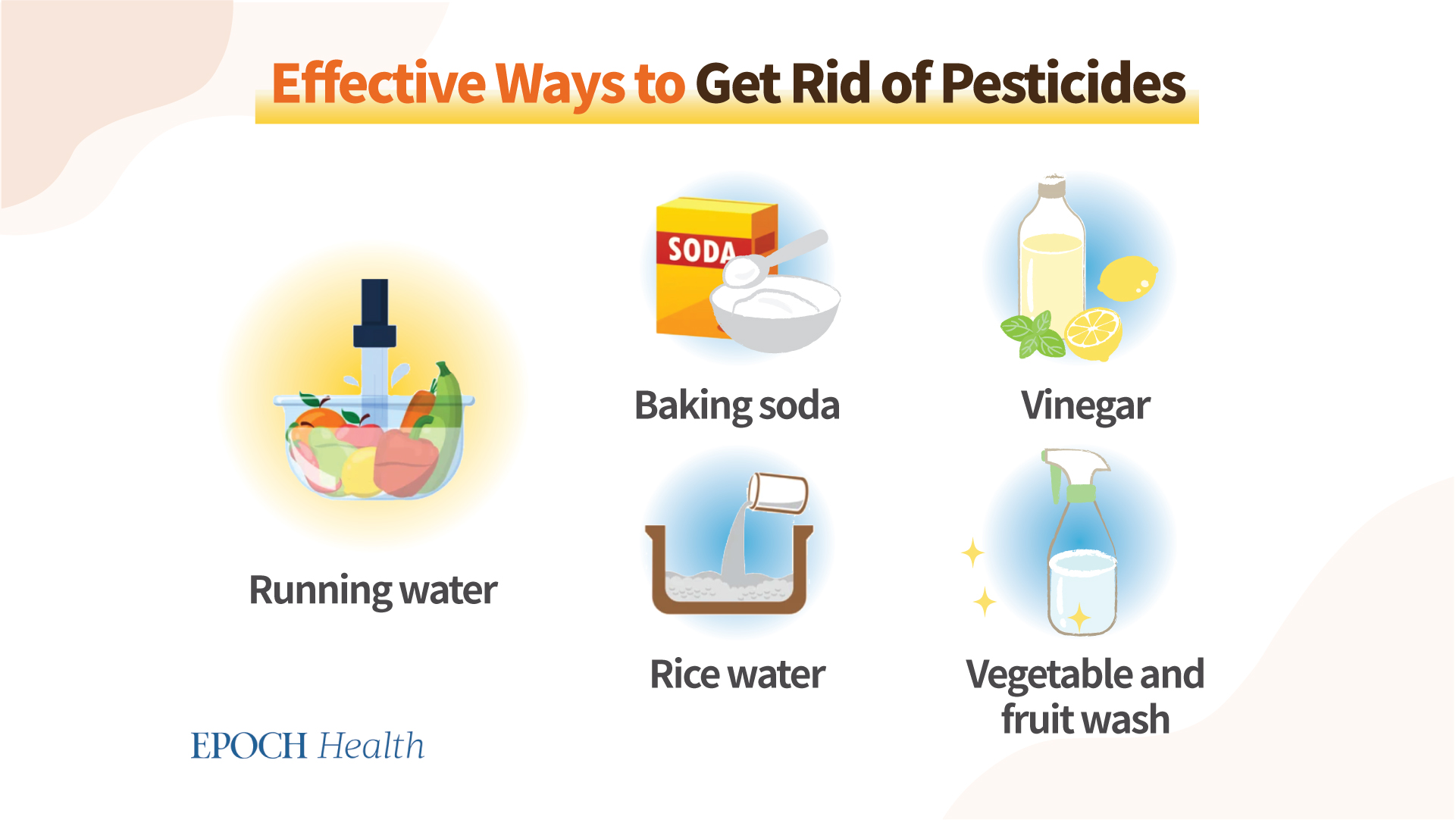
Pesticide residues found on fruits and vegetables can disrupt the body’s endocrine system, harm the nervous system, and even increase the risk of cancer. While there are various suggested cleansing methods, such as using salt water, baking soda, vinegar, soaking in rice water, or using vegetable and fruit washes, Yen believes that rinsing with running water is the most effective way to clean fruits and vegetables.
1. Rinsing With Running Water for Optimal Cleaning
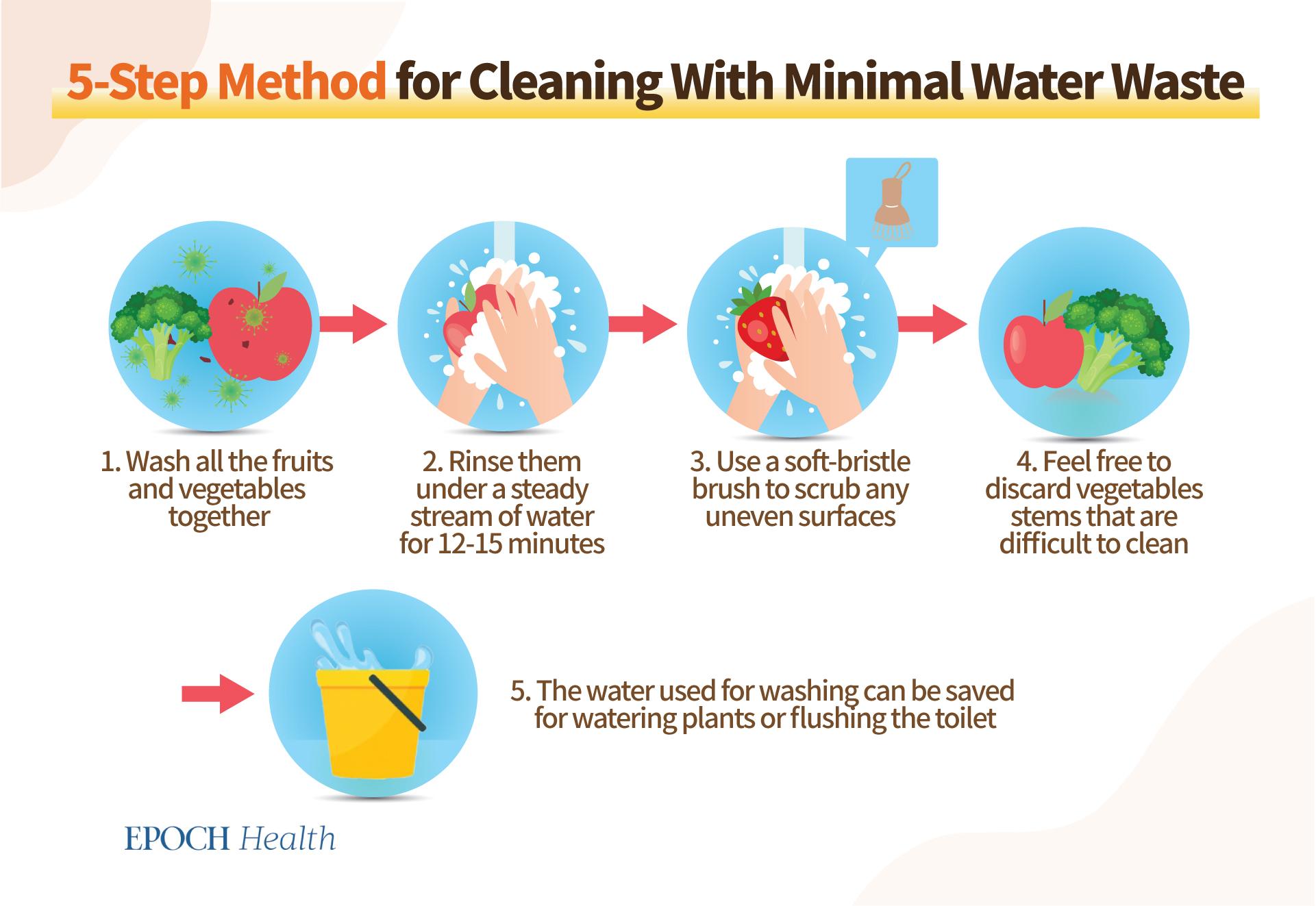
- Soak the fruits and vegetables in a bucket.
- Rinse them under a gentle and continuous flow of running water for around 10 to 15 minutes. If the surface of the produce is uneven, use a soft-bristle brush to aid in scrubbing. If you have concerns about the cleanliness of the stem portions, feel free to cut and discard them. (The water used to wash the fruits and vegetables can be saved for watering plants or flushing the toilet, thereby minimizing water waste.)
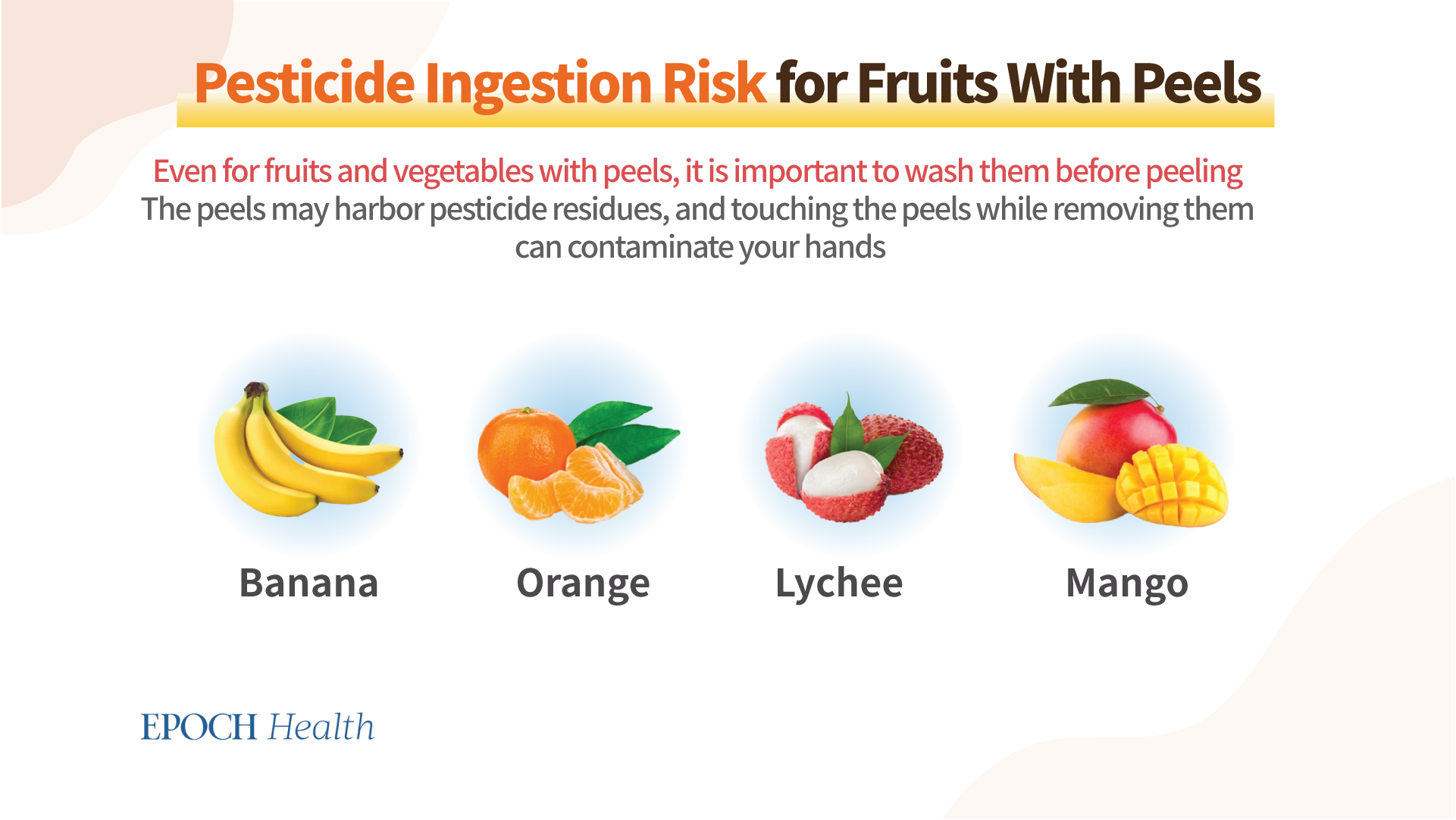
For fruits with peels like bananas, oranges, lychees, mangoes, and pre-packaged leafy vegetables in plastic bags, Yen recommends washing them before consumption unless they are organic. To obtain fruits and vegetables with lower pesticide levels, Yen suggests purchasing seasonal produce as out-of-season fruits and vegetables or those harvested hastily before adverse weather events tend to have higher pesticide residues.
2. Cooking
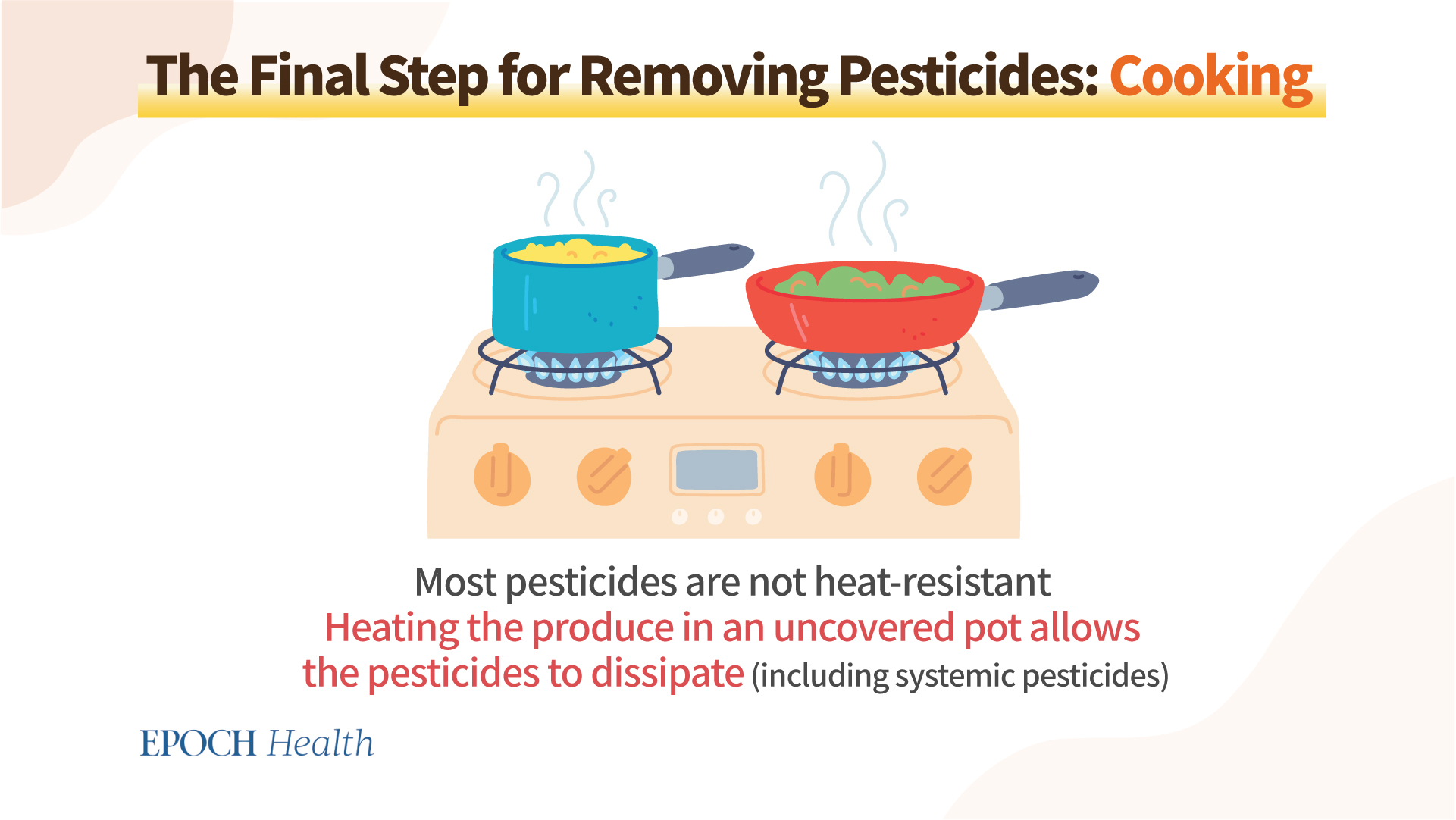
In 2023, the non-profit environmental organization Environmental Working Group released a list of 12 fruits and vegetables with the highest pesticide residues. Strawberries, spinach, mustard greens, bell peppers, blueberries, and green beans were among the items on the list. To address the issue of high pesticide levels, apart from thorough water rinsing, Yen suggests cooking them in an uncovered pot, allowing the pesticides, which are mostly not heat-resistant, to dissipate along with the released gases.
Yen specifically mentioned lettuce, a staple vegetable in Western cuisine. Nowadays, many individuals tend to opt for raw lettuce as a healthier alternative to traditional cooked dishes. However, Yen emphasizes that consuming raw lettuce is not safe from a medical perspective. This is particularly concerning in light of recent incidents in Taiwan where Listeria bacteria were detected in lettuce sold at convenience stores, posing a significant public health concern across different countries.
Why Is Consuming Raw Lettuce Considered Unhealthy?
Yen explained that in general, raw vegetables are susceptible to contamination by harmful bacteria. The most commonly detected bacteria include Escherichia coli and Staphylococcus aureus. The increased concern surrounding Listeria bacteria stems from its potential to cause acute gastroenteritis in healthy individuals.
For vulnerable populations such as the elderly and young children, such infections can lead to sepsis or meningitis. Additionally, pregnant women who consume Listeria-contaminated food face an increased risk of miscarriage. However, these types of bacteria are not heat-resistant, so cooking lettuce before consumption effectively eliminates the potential for illness.
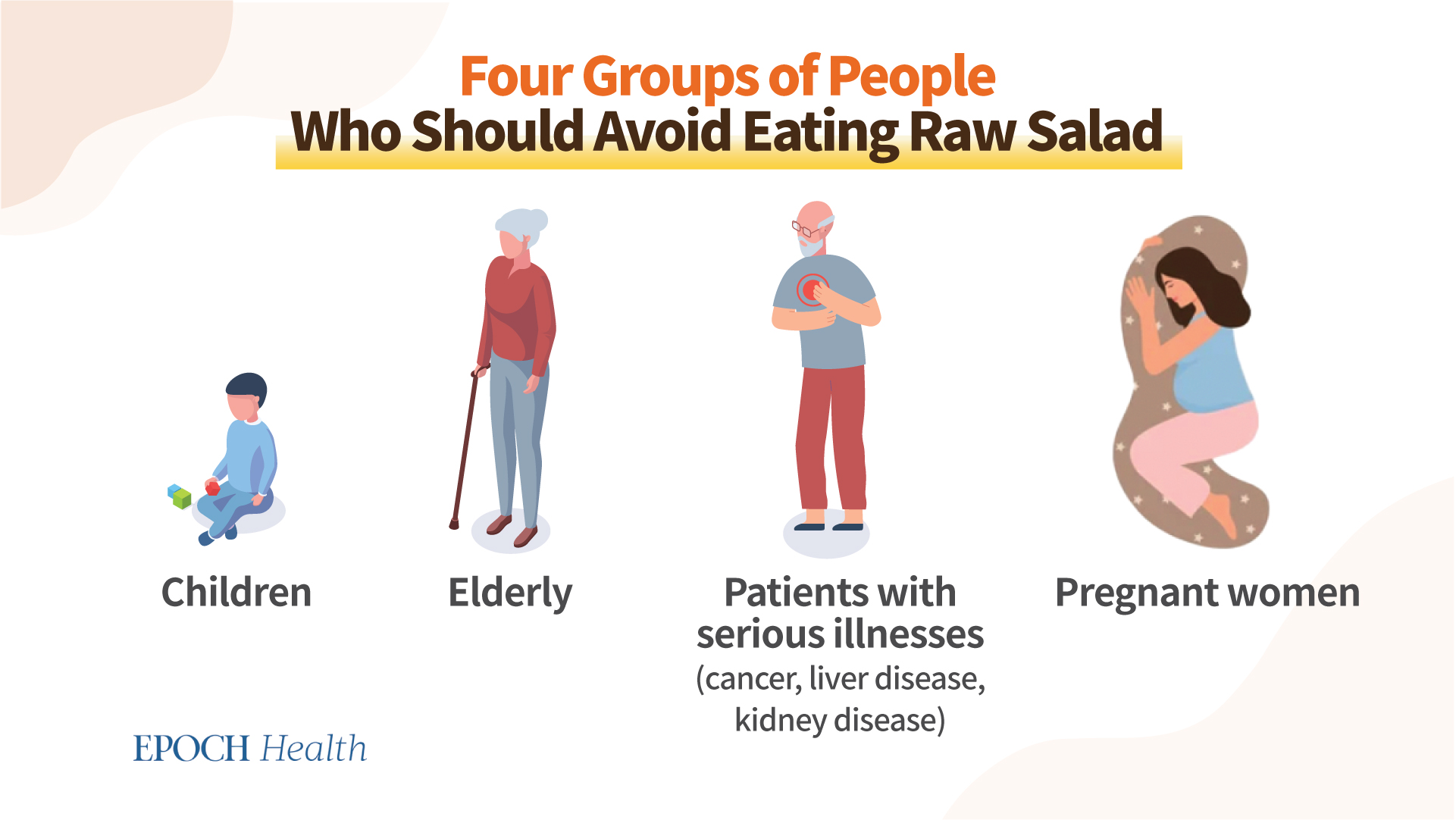
Yen emphasized that the four major groups most vulnerable to foodborne bacterial infections are the elderly, young children, pregnant women, and chemotherapy patients. Due to their relatively weaker immune systems, it is crucial to ensure thorough cooking of food before consumption and to avoid consuming raw salad greens.
Dangerous Impact of Spoiled Food on the Liver and Kidneys
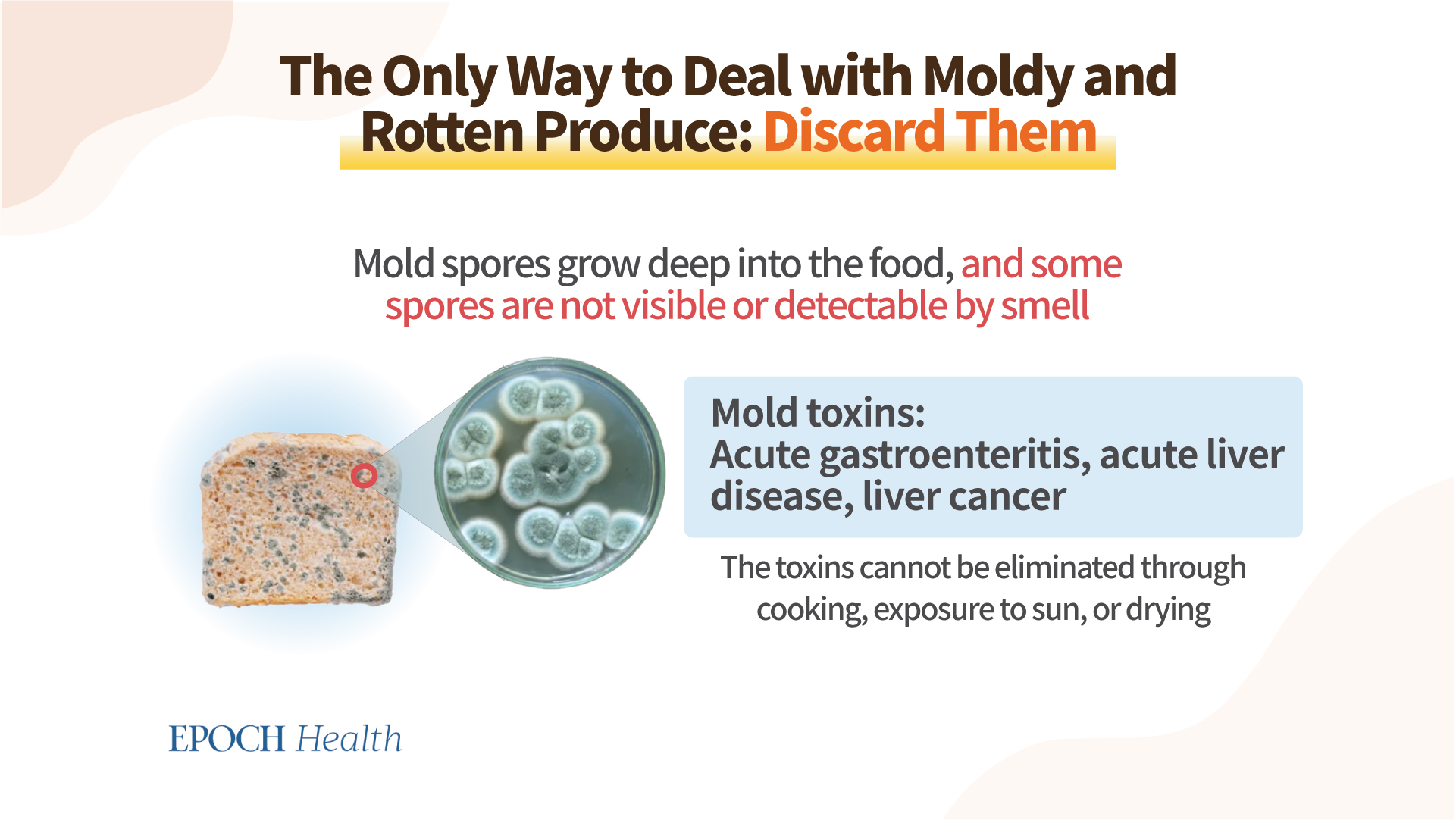
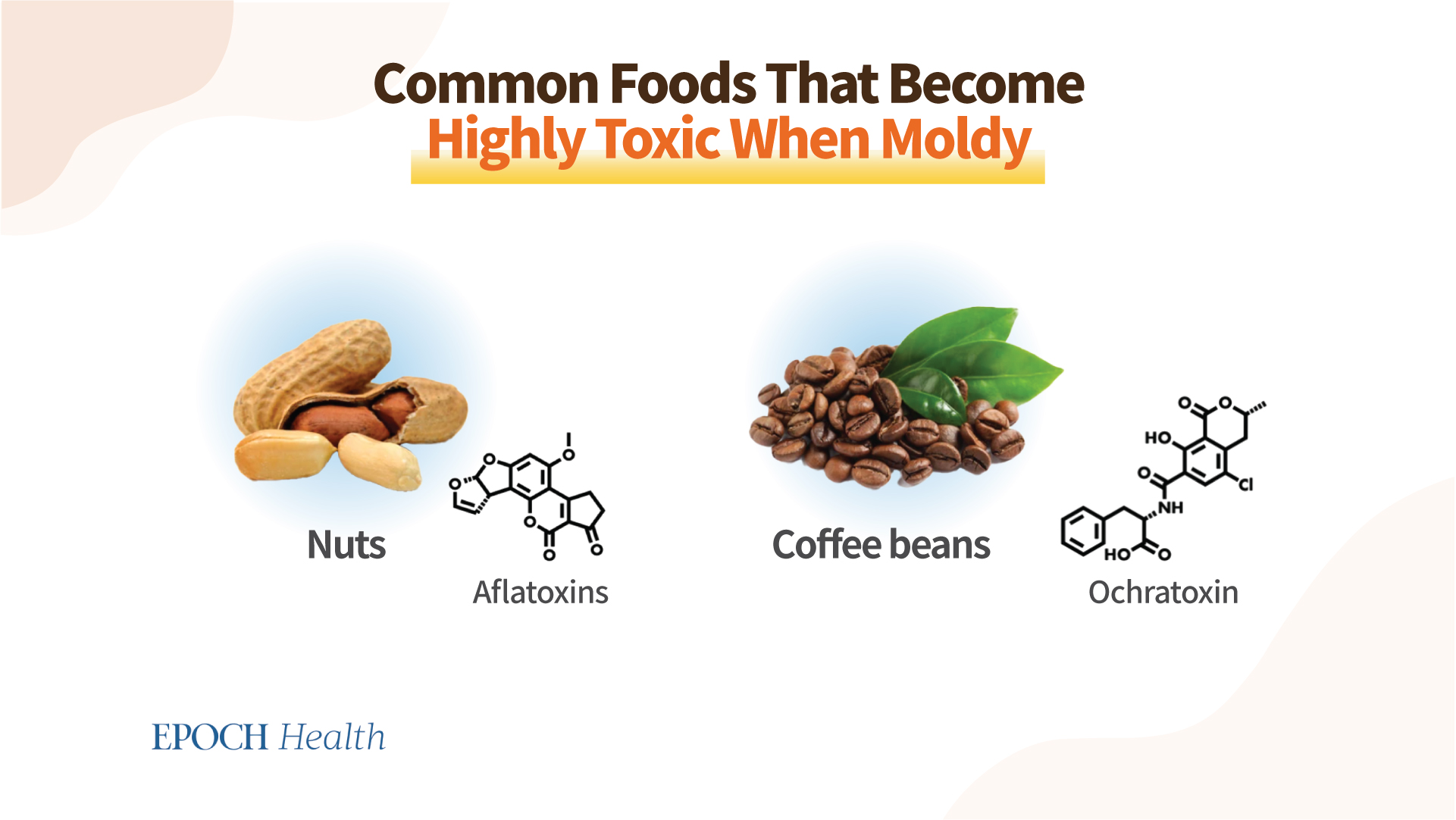
Is it safe to consume fruits and vegetables if only a portion of them is rotten? Yen strongly advises against it, as mold spores are not visible to the naked eye. Even if the rest of the produce appears to be in good condition, it may still harbor mold. Consuming such produce can have detrimental effects on the body. For instance, consumption of aflatoxins found in nuts can increase the risk of liver cancer.
The mold toxin, ochratoxin, found in coffee beans is not only invisible but also carries a strong coffee aroma. Consuming it can impose a greater burden on the kidneys and increase the risk of urinary tract tumors. To lessen the occurrence of mold in coffee, it’s optimal to store coffee beans in a container and keep them refrigerated. Additionally, it is advisable to wrap rotten food adequately before disposal—as mold spreads through spores—and uncovered moldy food will continue to release toxins.
3 Key Parties for Ensuring Healthy Eating
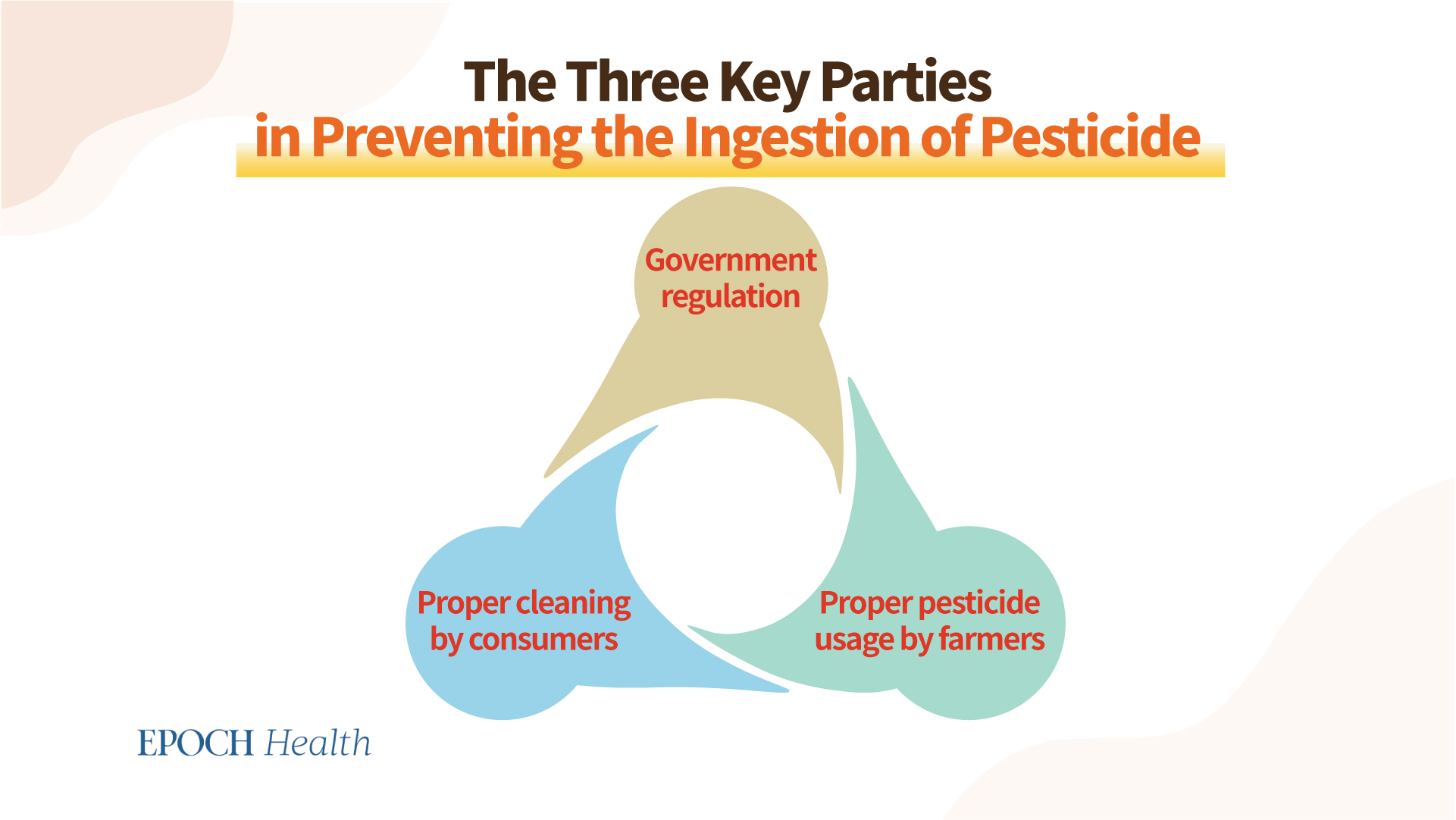
To minimize the risk of illness associated with food consumption, Yen stresses the importance of a joint effort among three key parties: businesses, government, and consumers. It starts with farmers using pesticides correctly, followed by regular food safety inspections conducted by regulating agencies. As for consumers, it is crucial for us to choose reputable products with proper certifications, practice proper cleaning and cooking techniques, and strive to maintain a healthy diet.
Yen explained that a healthy diet involves reducing oil, salt, sugar, and purine (foods that increase uric acid) intake while increasing the consumption of fresh vegetables and fruits rich in vitamin C and minerals. It is also important to refrain from smoking and drinking alcohol to lower the risk of developing cardiovascular diseases and cancer.