



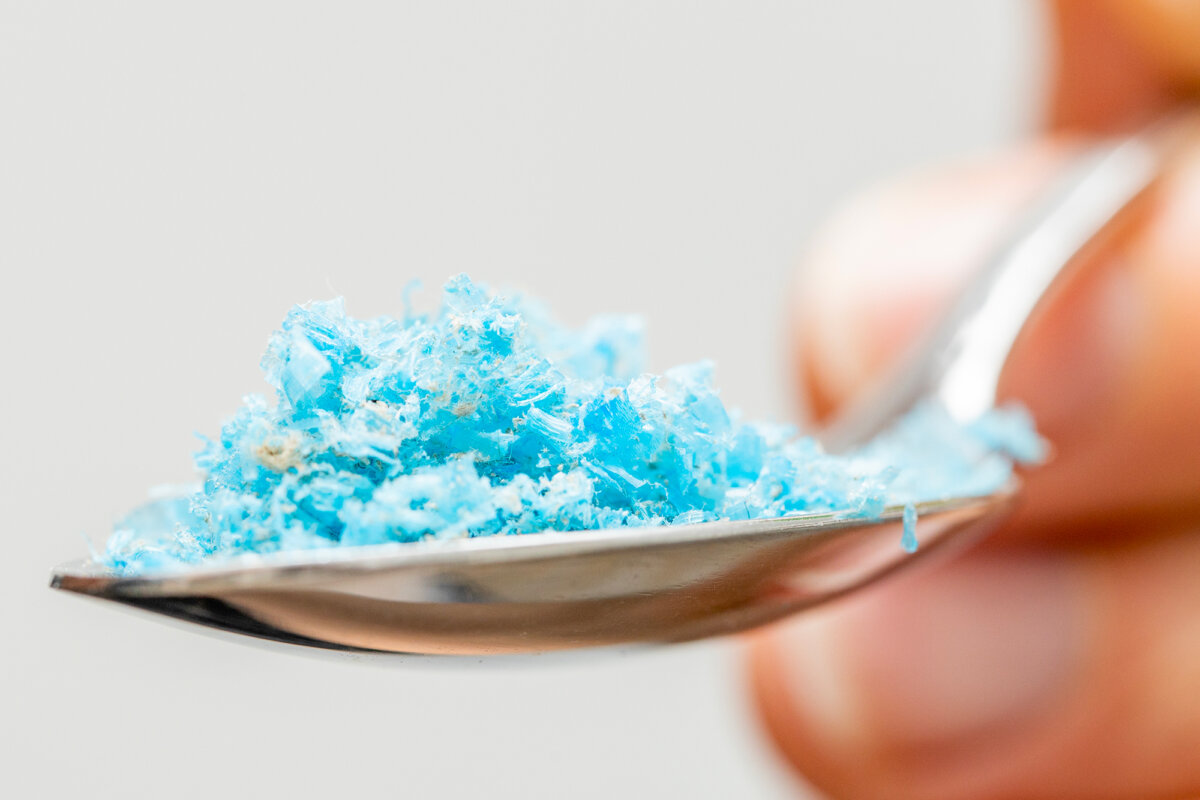
Plastic waste clogging landfills and contaminating oceans may soon meet its match. Scientists have engineered a plastic-eating “worm gut” that can break down plastics—a breakthrough that could help tackle the global plastic pollution crisis.
The innovation comes from researchers at Nanyang Technological University in Singapore, who created an artificial version of the gut of Zophobas atratus, a beetle larvae able to thrive on a diet of plastic.
Scientists Isolate Plastic-Munching Bugs from Worms’ Guts
The artificial “worm gut” was created by first feeding Zophobas atratus larvae three common plastic types: high-density polyethylene (HDPE), polypropylene (PP) and polystyrene (PS). A control group of worms was fed a diet of oatmeal.
Although the worms can only consume small amounts of plastic, their gut microbiomes are able to break down the material.
The scientists then isolated these plastic-fed microbiomes and immersed them in a 75 percent ethanol solution, as described in the study published in Environmental International. The incubated microbiomes were able to flourish and degrade significantly more plastic over a six-week period compared to a control group.
HDPE, PP, and PS plastics are widely used in packaging and everyday items. HDPE in particular is durable and resistant to breakdown. Yet the microbiomes from the plastic-fed worms proved especially capable at degrading these real-world plastics.
By replicating the gut microbiome of plastic-eating worms separate from the worms themselves, the researchers created a highly efficient stand-alone system for plastic degradation. This bio-inspired solution shows promise in tackling plastic pollution, but the research into plastic-munching worm gut microbiomes is still in early stages, according to the authors.
Hope in Fighting Plastic Pollution Crisis
The hope is that this new research is an important discovery for a future with reduced plastic waste.
Over the past 70 years, 8.3 billion tons of plastics have been produced globally. However, outside of the 2.5 billion tons still in use, only up to 6 percent has been recycled.
Specifically, 19-23 million tons of plastic waste enters marine environments, including its oceans, rivers and lakes, annually. This is the equivalent of 2,000 garbage trucks of plastic enter waterways daily, according to the United Nations Environment Programme.
Once in water, plastics break down into microplastics that permeate the food chain. Studies show microplastics can adversely impact the human body by disrupting the immune system, lowering antioxidant levels, disturbing hormone function, stunting growth, and altering neurological development.
Plastic resists degradation, which also contributes to climate change. First, the production and disposal of plastic generates greenhouse gas emissions, including methane, which is a potent driver of climate change. Second, plastic waste pollution disrupts marine ecosystems, impairing the ocean’s capacity to absorb carbon dioxide from the atmosphere.
The new engineered “worm gut” that can consume plastics could provide a future solution, especially if scaled up, the authors note.