



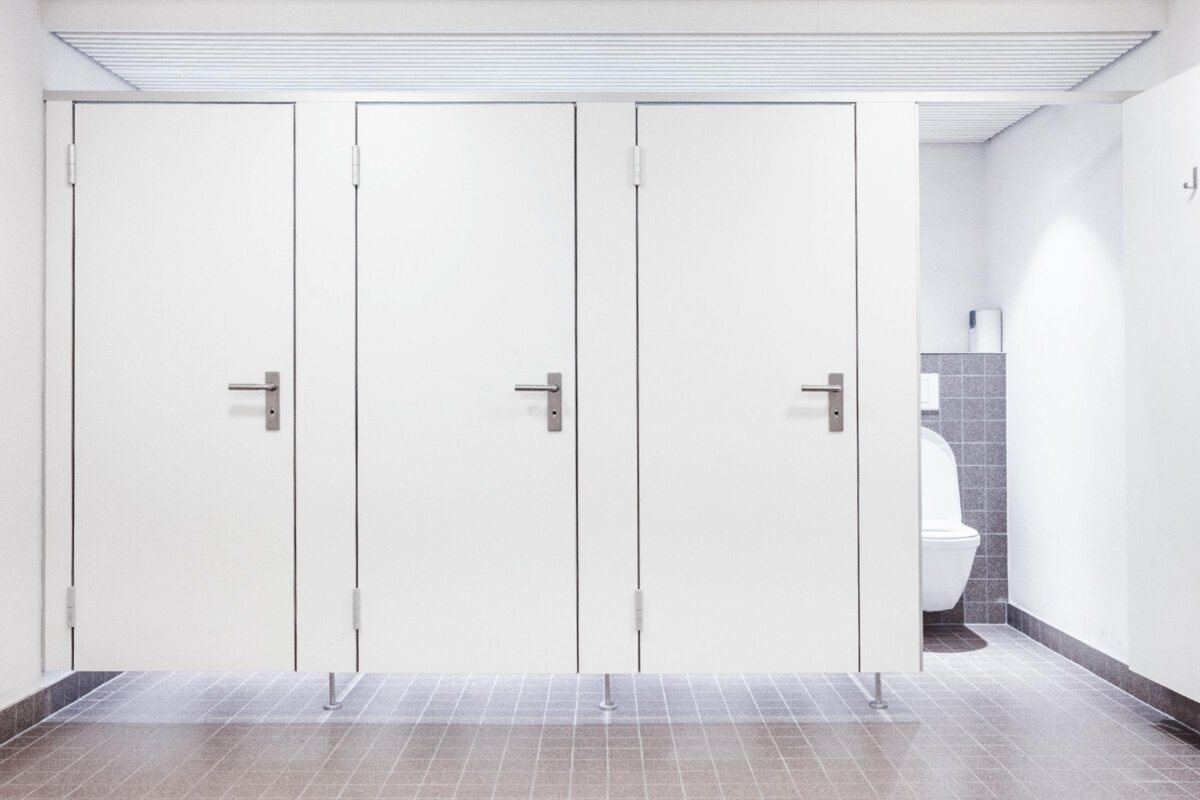
Many people believe that public toilet seats are crawling with dangerous germs and are a cause of disease. However, dermatologists and microbiologists say that while bathrooms can harbor pathogens, toilet seats are rarely the main culprit.
Dr. Chen Wei-di, a dermatologist in Taiwan and member of the American Academy of Dermatology, told The Epoch Times that while bacteria do exist on toilet seats, many cause disease only under certain conditions.
Other experts echo this view, saying the most significant threats in a restroom usually don’t come from sitting on a toilet seat but rather from what lingers on other surfaces in the bathroom or floats in the air after flushing.
Pathogens Worth Noting
Although uncommon, certain parasites, molds, bacteria, and viruses can survive in bathrooms under the right conditions.
Parasites and Mold
Dr. Huang Huilun, an attending physician at Ton-Yen General Hospital in Taiwan, told The Epoch Times that stubborn parasites, such as pubic lice and scabies, and ubiquitous molds, including tinea cruris and tinea corporis, can theoretically survive on the toilet seat and be transmitted to the next user.
Clostridium Difficile
A study published in 2024 in Scientific Reports found that the common pathogen Clostridium difficile can be widely spread in the air after flushing the toilet. Clostridium difficile can cause colon inflammation.
Gastrointestinal Viruses
Gastrointestinal viruses, such as norovirus, primarily attach to frequently touched surfaces, including flush handles or buttons, door handles, and faucets, and then enter the human body through the hands, Chen said.
E. coli and Salmonella
Human urine and feces can also harbor E. coli and salmonella. When the toilet is flushed, microscopic droplets can carry these bacteria into the surrounding air. Both pathogens primarily spread through the fecal-oral route and can cause gastrointestinal illnesses, most commonly diarrhea.
Do Toilet Seats Spread Sexually Transmitted Diseases?
One of the most persistent public fears is the possibility of catching sexually transmitted diseases from a toilet seat. Experts say this worry is unfounded.
Huang said the bacteria that cause gonorrhea and syphilis cannot survive outside the human body and are even difficult to culture in a laboratory. HIV is also very fragile and gradually loses its mobility outside the body. These diseases are primarily transmitted through sexual intercourse.
On the other hand, genital warts are a sexually transmitted infection caused by the human papillomavirus (HPV). If the previous toilet user’s urine contains HPV and the virus is active, in principle, it is possible for subsequent users to be infected if skin wounds, mucous membranes, or body fluids come into contact with the urine, Huang said.
However, he said, he has not observed such cases in practice.
“When touching a toilet seat, as long as the skin is intact and has normal protection, it can effectively resist the invasion of viruses and bacteria,” Huang said.
Toilet Paper on Toilet Seats
According to a YouGov poll, approximately 63 percent of Americans sit on toilet seats when using public restrooms, and about half of those place toilet paper on the seat before sitting down. The survey also found that approximately 20 percent prefer to squat when using the toilet.
The belief that placing toilet paper on public toilet seats is more hygienic could be a common misconception. Chen said toilet paper is porous, making it easy for microorganisms to reside there. When flushing, the atomized fecal bacteria will spread in the air and may contaminate the toilet paper.
However, in some public restrooms and even at home, toilet paper is stored in closed containers, which helps prevent the spread of airborne germs.
Disposable seat covers are a better option. Unlike toilet paper, they are nonporous and designed to provide an effective barrier against pathogens.
The Problem With Plush Toilet Seat Covers
As it gets colder, sitting on a cold toilet seat can be uncomfortable, and some people use plush fabric covers to provide a warming sensation.
While cozy in winter, fabric covers create more problems than they solve. Because plush fabric is porous and absorbs moisture, it can harbor bacteria, viruses, and mold. They are also challenging to disinfect and may facilitate the spread of cross-infection in shared bathrooms.
If such items are being used, Chen recommends replacing and cleaning the fabric at least once a week and ensuring that they are thoroughly dry. It is also helpful to have several on hand for rotation.
How to Stay Safe in Public Restrooms
For hygienic use of public toilets, Chen recommends the following:
- Carry Disinfectant: Rather than using toilet paper, it is more effective to carry alcohol spray or disinfectant to clean the toilet seat, flush button, and doorknob before using.
- Close the Toilet Lid Before Flushing: Closing the lid reduces the spread of aerosolized germs. Studies have shown that flushing with the toilet lid closed can reduce the formation of aerosols of Clostridium difficile bacteria in feces.
- Wash Your Hands: Norovirus, E. coli, and salmonella are transmitted through fecal-oral transmission, meaning that the pathogens are excreted in the feces and then enter a person’s mouth via hands, food, or water. Therefore, after using the toilet, always wash your hands thoroughly with soap and water for 20 seconds. Hand washing is one of the most important and effective ways to prevent the spread of disease.
In addition to the hygiene issues related to public restroom toilet seats, maintaining toilet cleanliness at home is crucial.
Studies have found that cleaning toilets every three days with disinfectants and toilet bowl cleaners can reduce bacterial and viral contamination in the toilet bowl.
Additionally, cleaning agents containing hydrochloric acid can significantly reduce the number of viruses in toilet bowls by more than 99.99 percent, and by 97.64 percent on toilet brushes. Maintaining good ventilation in the bathroom can also help reduce the number of germs.
The bottom line: Toilet seats are far less dangerous than many believe. The real risks lie in unwashed hands, contaminated handles, and airborne droplets that can spread after flushing. By focusing on proper hygiene and smart habits, you can safely navigate public restrooms without unnecessary fear.