


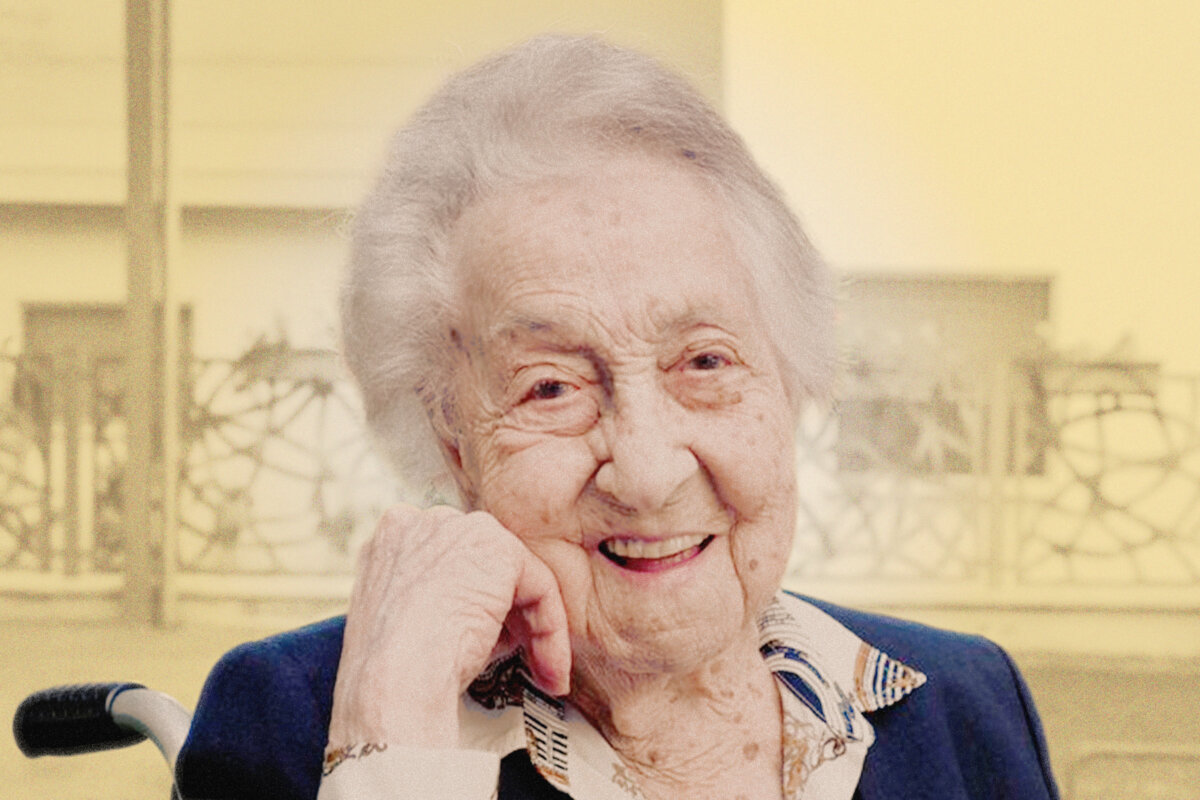
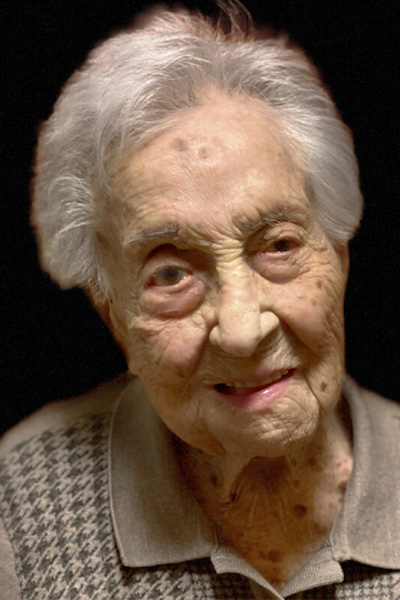
Seeing a red number on a lab report can be a jolt—and Maria Branyas Morera had her fair share of those. Her LDL cholesterol was above the cutoff, and her blood showed genetic wear and tear often linked to disease and aging.
Yet she became the world’s verified oldest woman, dying peacefully in her sleep in August 2024 at 117—without ever developing cancer, cardiovascular disease, or dementia.
Her case, published in Cell Reports Medicine, offers one of the most comprehensive biological portraits of a supercentenarian ever recorded. It also challenges what we think we know about the lab numbers we often rush to medicate.
The Numbers in Red
Researchers went far beyond a cholesterol test. When Morera was 116 years and 74 days of age, they conducted a “multiomic” sweep—analyzing her blood, saliva, stool, and urine—to scan her genes, proteins, metabolites, and microbes for clues to her longevity.
On paper, the results looked troubling. Her LDL, or “bad” cholesterol, was a little high. Her telomeres—the protective caps at the ends of chromosomes that shorten with age—were short. Her blood carried mutations linked to cancer and heart disease, and her immune system showed signs of age-related decline.
However, none of that translated into illness. “It was amazing how she reasoned when talking to us and how well she remembered past events,” Eloy Santos, the study’s lead author, told The Epoch Times in an email. Aside from protein supplements to prevent muscle loss, she took no medications.
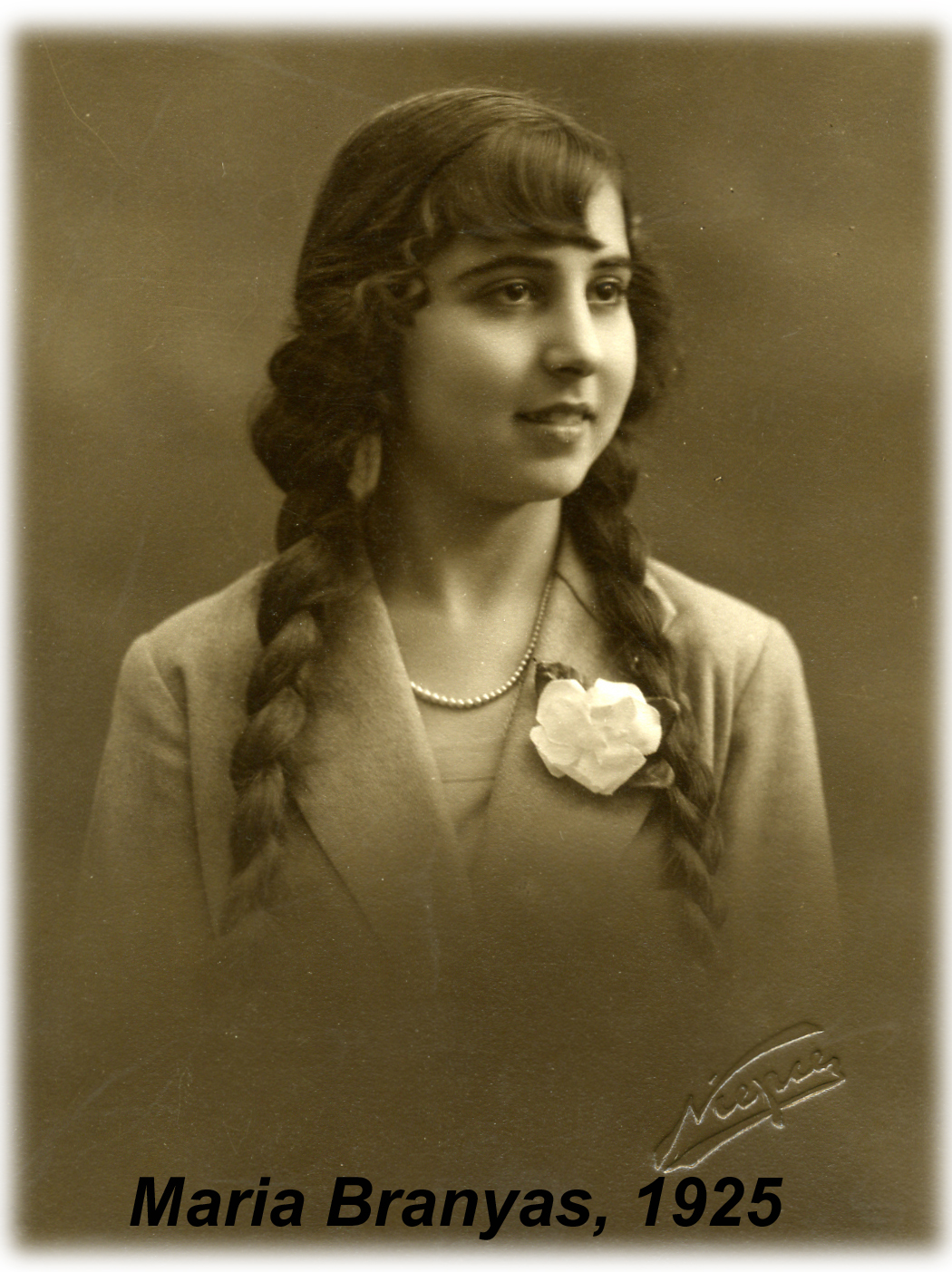
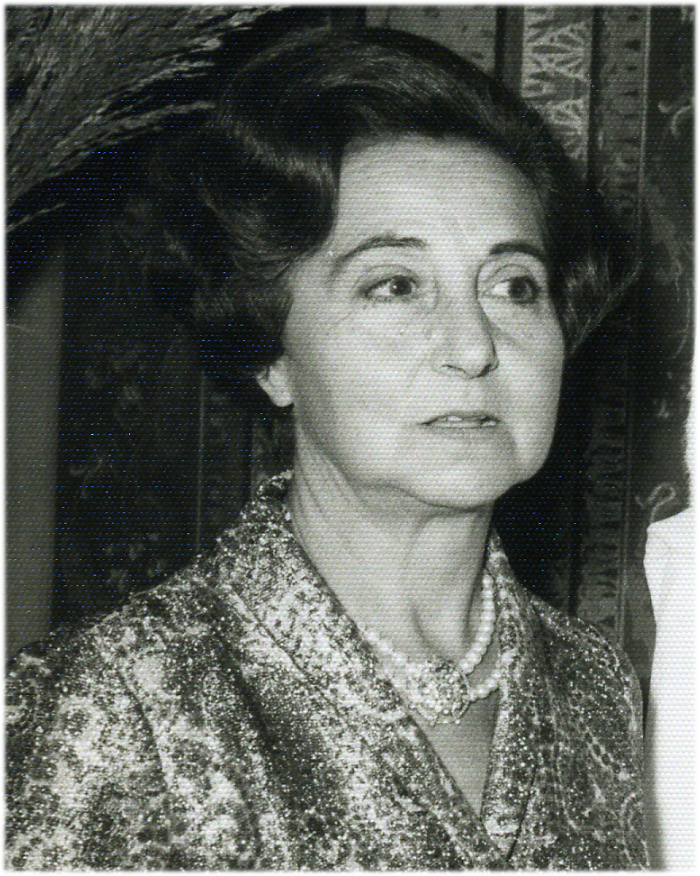
Born in San Francisco in 1907, Morera settled in Catalonia, Spain, where women typically live to 86. She outlived them by three decades, sleeping well, eating a Mediterranean diet, playing music, and staying close to family.
Strength Beneath the Surface
Some of Morera’s lab results revealed hidden strength. Her mitochondria—the body’s power plants—produced energy efficiently, like those of someone decades younger.
Her inflammation markers, which typically climb with age, stayed remarkably low. Her gut microbiome was diverse and youthful, dominated by Bifidobacteria nourished by yogurt, olive oil, eggs, and fish. “That bacterial population is associated with low inflammation and increased immune function,” Santos said.
Together, these clues painted a picture of a body that aged unevenly—worn in places but resilient as a whole. Her epigenetic profile, which reflects how genes are expressed rather than the genes themselves, looked 15 to 20 years younger than her actual age.
Santos called it a duality: youthful health alongside unmistakable signs of wear. “It was like a very old car,” he said—running smoothly in many ways, but with parts inevitably wearing out.
1 Coin From a Lost Civilization
What does one case really tell us? Richard Faragher, professor of biological gerontology at the University of Brighton, likened Morera’s profile to “one coin from a lost civilization”—an important clue but far from enough to explain the whole economy of aging.
Centenarians, he told The Epoch Times, reach old age by one of three paths: unusual genetics, sheer luck in surviving what kills others, or misreported ages.
“Never take health tips from centenarians,” he said.
Many smoked, skipped doctors, or lived in ways that would sink most of us, he said. They are anomalies, such as the rare soldier who crosses a battlefield untouched.
Yet, Dr. Nick Norwitz, a Harvard-trained physician with a doctorate in metabolism from Oxford, argued that even an anomaly can be instructive. “One case can’t prove what makes us live longer, but it can challenge what we think we know,” he told The Epoch Times.
If long telomeres were essential, Morera’s short ones would disprove it. If very low LDL were required, her higher level would, too.
Both stressed context. Most biomarker studies are based on sick populations. Her survival suggests that what appears risky to the average patient may matter little to the exceptionally healthy. Genetics and survivorship bias can lead some people to shrug off risks that harm others.
“The question becomes,” Norwitz said, “what is fundamentally important to our health, and is the medical system aligned with that—or just with the biomarkers we know how to hit with medications?”
From Fascination to Action
Our fascination with people such as Morera says as much about us as it does about them. Each time someone lives past 100, we ask the same questions: What did she eat? What was his secret? We want a formula we can follow, a single factor to control.
“Most people will say dying is natural. But deep down, nobody really wants an expiration date,” Norwitz said.
Stories such as Morera’s remind us that the answers we crave rarely tell the whole story. Longevity doesn’t rest on a single number or on mimicking a centenarian’s diet. It depends on the strength of our whole system—on resilience. Resilience is built not through loopholes but through habits within reach:
- Movement: Morera stayed active into her later years, playing music and keeping a daily rhythm. Research indicates that regular physical activity can help extend life expectancy.
- Sleep: She slept soundly, a habit associated with longevity. In a study of more than 172,000 adults, healthy sleepers lived longer—men by nearly five years, women by about 2 1/2 years.
- Diet: Her meals leaned toward the Mediterranean diet, with olive oil, yogurt, eggs, and fish. Those foods nourish the gut microbiome, which, in her case, appeared decades younger than her chronological age.
- Connection: Morera was surrounded by family. Strong social ties, whether through kin, congregations, or clubs, predict survival as powerfully as cholesterol or blood pressure.
- Faith: Obituary studies have shown that those with religious ties lived five to nine years longer, partly through community, partly through meaning and purpose.
- Optimism: Morera’s outlook remained hopeful, a trait linked to added years of life. Studies suggest optimism lowers stress hormones and inflammation, helping the body recover more easily from illness.
Morera’s 117 years revealed no magic key to immortality. What they did reveal was a reminder: Health isn’t about perfect numbers.
“Not all in our [lives] is about genetics, but also habits,” Santos said. “We might not share her genetic variants, but we can still add years of high-quality life by choosing healthy ones.”