



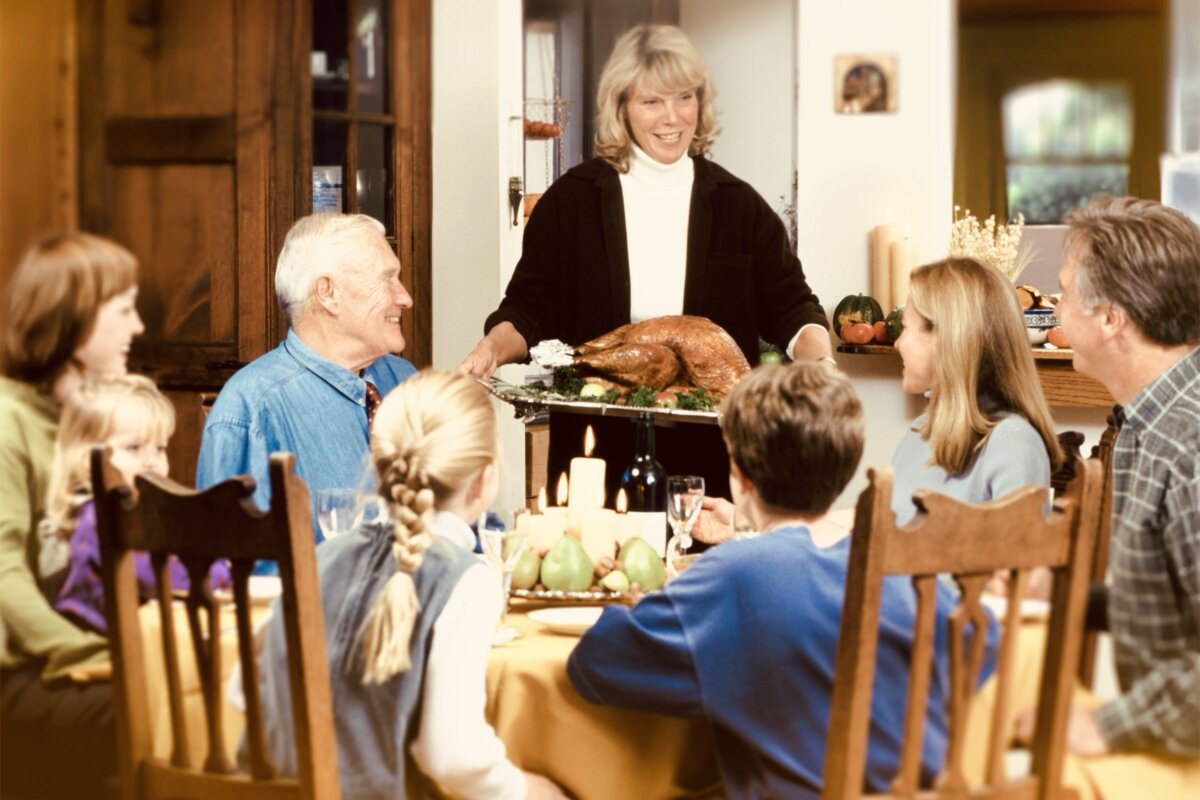
No two gatherings are ever alike.
I learned this firsthand after years of hosting holiday dinners—from six friends around a too-small table to more than 20 relatives spread across borrowed chairs. One year, an overload of appetizers left little room for the main course. Another, midway through carving the turkey, I realized I’d forgotten the stuffing.
In hindsight, it’s never the missing side dish or the wobbly chair that people remember about gatherings. It’s the easy conversation, the shared laughter, and the subtle but unmistakable feelings of belonging.
“Feeling like we belong is a fundamental human desire,” author Vanessa Bohns, a psychologist and professor at Cornell University’s ILR School who studies social influence, told The Epoch Times in an email.
“People are less concerned about evaluating you for your competence at hosting a party and more concerned with the fact that they feel accepted and valued in your presence.”
Good hosts prioritize warmth over perfection—a point supported both by traditional wisdom and modern psychological research.
Hosting Practices That Matter Most
Five mindful habits can turn the principles of warmth, attention, and connection into warm, memorable moments at your table.
1. Plan Ahead–But Stay Flexible
Every successful gathering starts with a plan, but it helps to stay ready for the unexpected.
You may have spent months fine-tuning your menu, confirming your guest list, and mapping out the evening. Then a cousin shows up, eager to bake his homemade bread, and another guest is held up in traffic.
Rather than clinging to your perfect plan, roll with it. Use the extra time to catch up or deepen a conversation.
Flexibility is the hallmark of a grounded host, lowering stress by creating a sense of ease for everyone. Research has found that adaptable leaders create more satisfying, enjoyable environments.
“People worry too much about their ‘competence’ in social contexts,” Bohns said.
The real skill isn’t perfection—it’s knowing how to pivot when the timeline shifts. Any awkwardness you fear is usually overstated—when a host adapts, guests feel more relaxed. Plan enough to feel steady, but leave space for real life to unfold. Your guests will follow your emotional lead.
2. Welcome and Include
Make your presence welcoming—guests recall gatherings more positively when they feel actively welcomed and included, far more than when hosts focus solely on logistics. Hospitality begins before your guests arrive. Small touches such as fresh flowers and warm lighting feel inviting. Maybe chill some sparkling water for a neighbor who doesn’t drink alcohol, or skip scented candles to accommodate an aunt with perfume allergies.
When guests arrive, greet them with a sincere “I’m so glad you’re here.” Take coats, offer a drink, and, if it feels natural, offer a compliment as you introduce people who might not know each other.
“[People] are more focused on our warmth,” Bohns said.
One might recall, for instance, “She seemed happy to see me; I felt welcomed.”
These personal signals ease social anxiety and create a sense of belonging that sets the tone through the night.
3. Anticipate Needs Before They’re Voiced
The best hosts notice what people need before they have to ask: offering a sweater for someone who’s chilly, refilling a nearly empty glass, or setting out crayons or a simple game before kids get restless.
Offering help without drawing attention helps people feel cared for without feeling indebted or self-conscious. It’s what psychologists call “invisible support.”
If an older guest is scanning the room for a chair with better back support, you can gently steer that guest to one. If someone looks overwhelmed, shift the conversation or guide that person toward a quieter spot.
Being subtle is key—guests can tell when help is performative rather than genuinely altruistic. Although these small gestures may go unnoticed in the moment, acts of authentic, selfless support benefit both the guest and the host.
Moments of making this right don’t call attention to themselves—they simply remove friction. It’s the noticing that matters—the sense that guests’ comfort is on your mind without making them feel like a burden.
4. Invite Guests to Join In
Experienced hosts know it’s tough to pull off a dinner party without delegating. Invite guests to participate in small ways. Ask someone to taste a sauce, fold napkins, or choose the music. Let another guest add wood to the fire.
Shared tasks—even minor, fun, or creative ones—create stronger group bonds. Research has found that when people perceive shared responsibility for an activity, they feel more connected and cooperative. Even small contributions—such as assembling a cheese board or helping clear dishes—can spark feelings of closeness and trust.
Small invitations to contribute don’t just lighten your load—they give guests a chance to contribute meaningfully, transforming them from bystanders into participants.
5. Guide the Flow–And Stay Present
Courses, conversation, and energy will naturally ebb and flow throughout the night. A good host notices the shift. When the table gets quiet, move everyone toward dessert or invite a new thread of conversation. If guests break into smaller groups, bring people back together by pouring coffee or tea.
Encouraging everyone to share in the conversation helps increase a sense of belonging and cohesion. Having a few prepared table-wide prompts can help bring everyone into the same moment.
They could be questions such as “Do you have any upcoming travel plans?” and “What tiny habit improved your life this year?” You could have everyone share a funny childhood story. When everyone contributes, laughter spreads naturally. Sometimes the best icebreakers are the ones that poke fun at ourselves.
Guests take their cues from you more than you realize, so guide the flow of conversations to help include everyone. Be sure to join in yourself—your presence tells everyone that it’s OK to relax.
The Heart of Hosting
The essence of hosting hasn’t changed much over time. A genuine greeting, a seat at a lively table, and giving others the feeling that someone was truly glad they came matter far more than the dinner served or the meticulous decor.
Bohns wrote in her book “You Have More Influence Than You Think” that we routinely underestimate the effect of small gestures—warmth, acknowledgment, inclusion—on the people around us. Hosting is no different.
So take a breath, open the door, and trust that your presence—not spotless floors or an impeccable timeline—is what makes guests feel at home. Hosting from a place of calm and kindness—for yourself and your guests—sets the tone. In a season built around gathering, that’s the heart of hosting.