



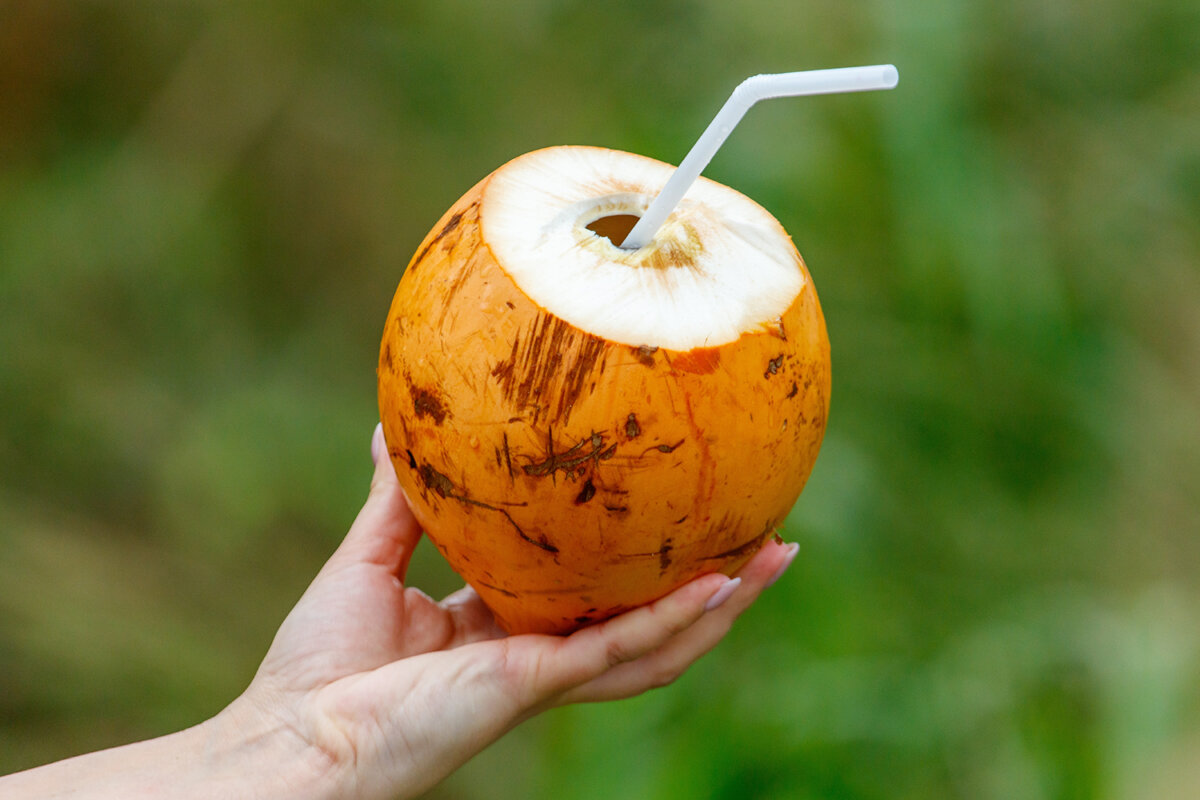
While especially good for those who live in hot climates, coconut water shouldn’t be discounted in colder climates and weather, when dehydration can sneak up on us.
We tend to drink less in winter, making dehydration more difficult to recognize. Dry air holds less moisture and contributes to fluid loss, as the air around us shifts our fluid levels to keep us warm. Every time we breathe, we lose fluid. Additionally, warm clothing can cause sweating that we don’t even notice.
The coconut tree offers us a portable well—a self-contained treasure of uncontaminated, mineral-rich water useful for year-round hydration that’s just as potent as any sports drink.
The Science of Natural Hydration
“Coconut water is one of nature’s best natural hydrators,” Dr. Saurabh Sethi, a gastroenterologist and hepatologist, told The Epoch Times. “Studies show it can effectively rehydrate after exercise and may even perform as well as some commercial sports drinks, without the artificial additives.”
In a study published in Sports, 19 cyclists drank coconut water enriched with carbohydrates to match a sports drink on one occasion and a commercial electrolyte drink on another. The results were similar endurance and physiological responses for both beverages.
Other research has shown similar findings. One study, published in the Journal in Human Movement Sciences and Health, comparing coconut water, a sports drink, and bottled water found that both coconut water and the sports drink were superior to water for fluid retention. The authors noted that coconut water “could be used for rehydration provided it is accessible to the individual and the person finds the flavor pleasing.”
The key lies in electrolytes. Coconut water naturally contains potassium, magnesium, and small amounts of sodium—minerals that help maintain fluid balance, support muscle function, and promote heart health, Sethi added.
In healthy people, the potassium in coconut water can help counterbalance sodium—which many Americans eat and drink excessive amounts of—and improve blood pressure. The magnesium in coconut water improves muscle contractions and helps prevent cramps and fatigue.
When You Need It
Most people don’t need electrolyte replacement drinks as often as marketing suggests, Ashley Oswald, dietitian and owner of Oswald Digestive Clinic, told The Epoch Times. “They can get enough of these nutrients like potassium, magnesium, and salt in their daily food,” she said.
Watch for signs of actual dehydration: extreme thirst, infrequent urination, dark urine, exhaustion, dizziness, confusion, or skin that doesn’t immediately flatten after being pinched.
Intense sweating—particularly in the heat or humidity, after a lot of movement, bundled up in layers outside, or after lengthy exercise—can be a signal to replace lost electrolytes with coconut water. You may also benefit from coconut water during any sickness, especially sickness that includes diarrhea, Oswald said.
For optimal effectiveness, Oswald recommends adding a pinch of salt to coconut water when using it for rehydration, since sodium is quickly depleted during dehydration and coconut water naturally contains relatively little.
Electrolyte replacement drinks are often overused to replace water, Oswald said. Moderation is best, unless you are dehydrated, she added.
Sugar Concern
Coconut water contains 6 to 8 grams of natural sugar per cup—a concern for some health-conscious consumers. However, Sethi said that this is far less than sodas or juice, and the sugar works alongside fiber and minerals rather than spiking blood glucose dramatically.
“It works because we know when we eat carbohydrates—or these natural sugars—with protein and fat, it doesn’t have the same effect on the blood sugars, which in turn does not have the same effect on inflammation,” Oswald said. Drinking coconut water with a meal can further minimize insulin spikes.
Sugar, she added, is how minerals are transported into cells. That means if you opt for a commercial electrolyte drink over coconut water, a sugar-free option won’t be effective.
Who Should Be Cautious
High potassium can be an issue for those with advanced kidney disease or heart failure, making coconut water a concern but not necessarily forbidden. Those patients can check with their doctors, Sethi said, as coconut water in moderation may be safe.
Coconut water shouldn’t be used as a detoxification drink, he added, despite marketing claims.
“There’s no evidence it detoxifies, but it does support natural hydration and electrolyte balance, which in turn helps your body’s detox organs like the liver and kidneys function optimally,” Sethi said.
“For most healthy individuals, there are very few downsides to coconut water.”