



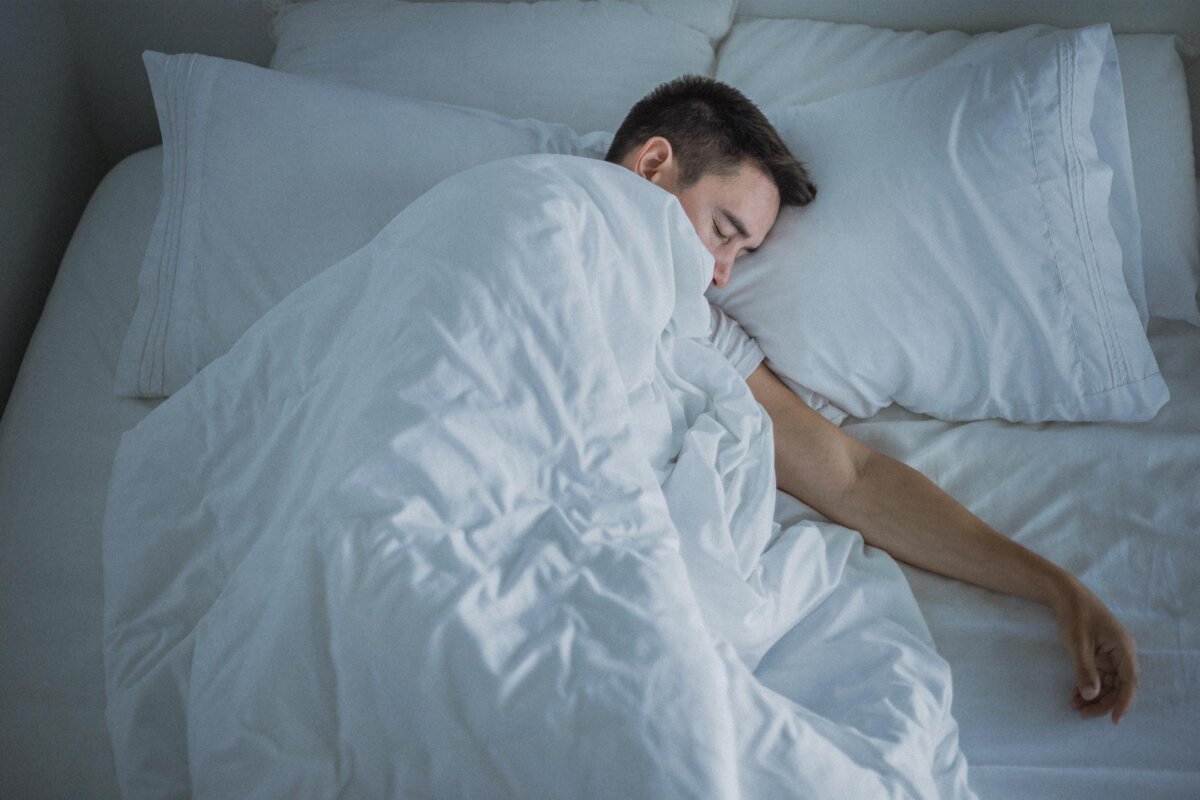
How was your sleep last night? Did you drool, snore, or have bad dreams? These seemingly minor issues might be quietly disrupting your sleep quality—and your health.
Sleep is more than rest—it is the time during which your body repairs and restores itself, and poor sleep interrupts that vital process.
Quality sleep, by contrast, helps prevent disease. A 2023 study from the University of California, Berkeley showed that among older adults with existing Alzheimer’s-related pathology in the brain, better deep sleep was associated with stronger memory performance the following day—underscoring how crucial quality sleep is in later life.
What Creates Poor Sleep and How to Improve It
1. Snoring
Frequent, loud snoring is one of the most common signs of sleep apnea, a condition in which breathing repeatedly stops and starts during sleep. Studies have shown that people with obstructive sleep apnea have a 29 percent higher risk of vascular dementia and a 12 percent higher overall risk of developing dementia from any cause.
A standard treatment for sleep apnea is to use a continuous positive airway pressure machine. However, many patients find it uncomfortable, which can actually worsen sleep quality.
An intriguing alternative is conch-shell blowing. Similar to playing a wind instrument, it involves forcefully exhaling through a large seashell to produce sound, which exercises the muscles of the throat and upper airway.
Research published in ERJ Open Research suggested that blowing a conch shell strengthens the upper airway muscles, reducing airway collapse during sleep. After six months of consistent practice, patients with sleep apnea showed improvements in both their apnea-hypopnea index and nighttime oxygen levels, and felt more alert and energetic during the day.
2. Nightmares or Restless Movements
Long-term anxiety or overthinking keeps the mind restless, making it hard for the brain to fully relax during sleep. In traditional Chinese medicine (TCM), overthinking relates to excess heart fire—the heart governs not only circulation but also mental clarity and spirit. “Heart fire rising” describes overuse of the mind, like a phone overheating from constant activity.
One way to calm the mind is by massaging the Labor Palace Acupoint (Laogong, PC8). To locate it, hold your hand palm-up and form a loose fist; the point corresponds to the center of your palm beneath the tip of the middle finger. Before bed, gently massage each point with your thumb for three to five minutes, moving in both clockwise and counterclockwise directions.
TCM practitioners often use Coptis chinensis (Huang Lian), a medicinal plant whose rhizome is used to clear excess heart fire in patients with frequent nightmares. Its intense bitterness calms the mind and regulates the spirit.
In daily meals, incorporating moderate amounts of bitter foods, such as bitter melon or kale, can naturally reduce heart fire.
Another common trigger for nightmares is eating certain foods at dinner or too late at night. Research has found that those who are sensitive to milk or dairy products may experience digestive discomfort at night and have nightmares. For those who experience frequent nightmares, avoiding milk before bed may make a noticeable difference.
For people who move excessively during sleep, leg-binding therapy can markedly improve sleep quality and reduce nighttime restlessness.
3. Frequent Awakenings
From a TCM perspective, frequent awakenings may reflect internal imbalances. Waking between 1 and 3 a.m. is often linked to liver imbalance, or “liver qi stagnation,” commonly associated with stress, emotional tension, irritability, or vivid dreams.
Waking between 3 and 5 a.m. may be related to a lung imbalance, which is associated with grief, shallow breathing, or low immunity. Light, restless sleep with excessive dreaming may also stem from heart and spleen deficiency, often associated with overthinking, worry, and mental fatigue.
If you wake up at night and struggle to fall back asleep, avoid tossing and turning. Instead, sit quietly or meditate to calm your mind before returning to bed. This simple practice often helps you fall asleep more quickly.
For light sleep caused by anxiety or racing thoughts, yoga, stretching, tai chi, or meditation can help relax the body and settle the mind.
4. Drooling
Drooling while sleeping is often linked to mouth breathing. Common causes include sleep apnea, nasal congestion, or upper airway obstruction. Addressing underlying issues—such as allergies, sinusitis, or structural nasal problems—can help reduce drooling and improve overall sleep quality.
5. Poor Sleep Posture
Poor sleep postures can strain your heart and spine.
Stomach sleeping (prone) is the one to avoid most as it places pressure on the heart and lungs. A study found that sleeping on the stomach can harm the lumbar spine and worsen lower back pain. In addition, the prone position requires turning the head to one side, leaving the neck in an unnatural, rotated posture for long periods, which may lead to arm numbness, neck soreness, and headaches.
If prone sleeping—or a semi-prone position—results in spinal rotation or neck stiffness, I recommend using the advanced cervical self-rehabilitation method.
The ideal sleep position varies from person to person and should be based on individual health needs.
Side sleeping promotes smoother breathing and relaxation, which is why it’s the most common choice.
For those with heart conditions, frequent palpitations, or anxiety-related insomnia, sleeping on the right side often feels more comfortable and may help calm the sympathetic nervous system.
Sleeping on the left side is beneficial for those with digestive issues or acid reflux, as it can help reduce symptoms.
Back sleeping distributes body weight evenly, which can be helpful for people with arthritis and reduces pressure on the face and arms. It also helps with sleep apnea. However, those who are not accustomed to this position may initially feel slightly tense.
I personally wasn’t used to sleeping on my back, but later tried gentle leg-binding therapy during sleep—placing three soft straps above the knees, below the knees, and above the ankles. To my surprise, this reduced muscle tension and helped me fall asleep more easily.
The way you sleep may be more important than you realize.
Views expressed in this article are the opinions of the author and do not necessarily reflect the views of The Epoch Times. Epoch Health welcomes professional discussion and friendly debate. To submit an opinion piece, please follow these guidelines and submit through our form here.