



As the season shifts into spring, outdoor adventurers may feel a surge of excitement—eager to hit the trails they’ve been eyeing, visit waterfalls they’ve been saving, and wake up at 4 a.m. to catch the sunrise.
Others take a more casual approach, heading outside every few weeks but not making it a regular habit.
Still, some people feel less drawn to the outdoors. They recognize the benefits but struggle to find the motivation to leave the house—or even get off the couch.
No matter where you fall on that spectrum, there are simple ways to enjoy the season.
Here are four accessible ways to bring fresh spring air into your daily life—even if the outdoors doesn’t naturally call to you.
Move Your Pastimes Outside
Try transferring your hobbies and necessary chores outside.
If you enjoy reading, take your book out to the lawn and settle into the fresh air. If it’s crocheting, find a shady spot in the park and let the quiet surroundings set the pace. Consider cooking outside on the grill for a change and sharing hot dogs with neighbors. Even music can be practiced outdoors, provided it’s done during daylight hours.
People have a natural affinity for nature. Being out in it can reduce stress, improve mood, and enhance overall well-being.
Research shows that outdoor air is often less polluted than indoor environments, providing cleaner air that benefits respiratory health.
Additionally, exposure to natural sunlight is healthier for our eyes, helping regulate sleep patterns and reduce eyestrain caused by artificial lighting.
Experts suggest creating an outdoor space near your home to give yourself time to relax.
When you consistently use the same area for something calming, your brain begins to build a strong association between that space and a calm state of mind, Daren Banarse, a senior psychotherapist with a private practice in Central London, told The Epoch Times.
Your chosen area becomes a “third space,” a sanctuary with a clear separation from household chores and work-related stress.
“Over time, simply sitting in that area is enough to trigger a drop in cortisol production and shift your nervous system into the parasympathetic [rest and digest] state,” he said.
Take Up Picnicking
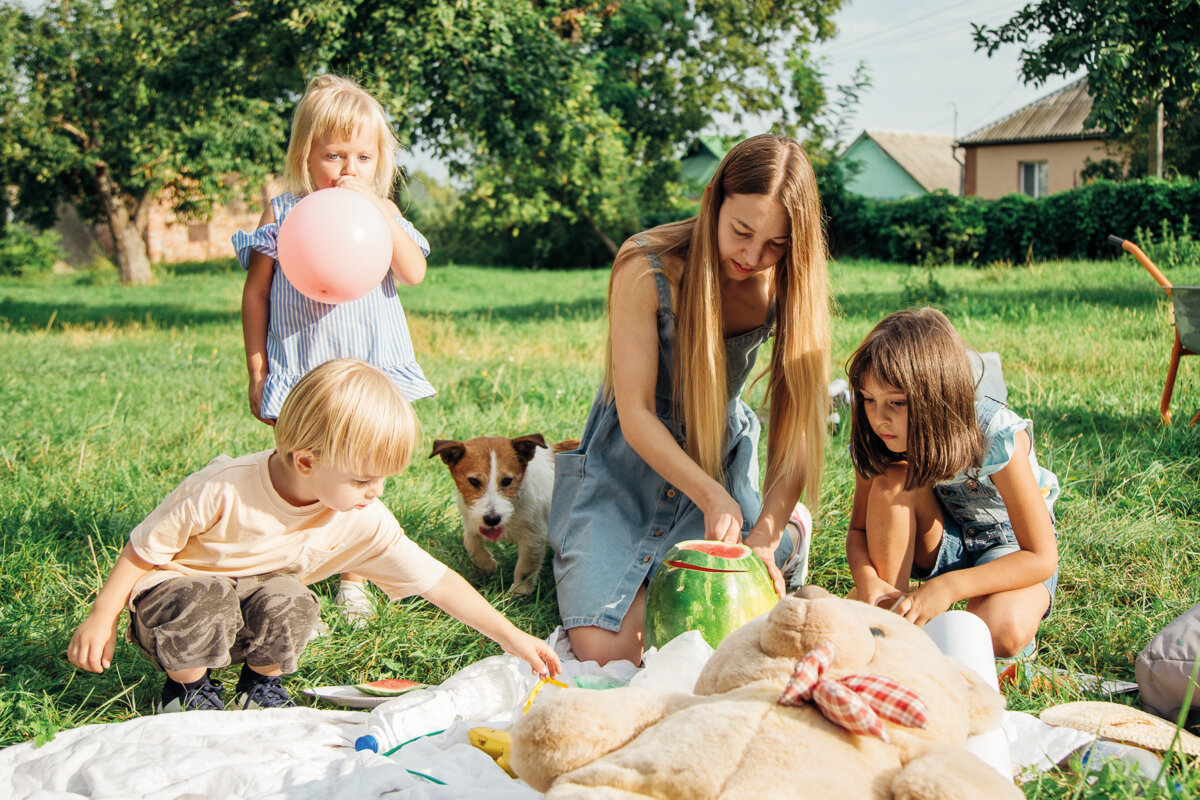
One of the simplest and most delightful ways to embrace the outdoors in spring is to gather for a picnic. Whether in a local park, by a lake, or in your own backyard, picnicking offers a relaxed setting to enjoy the season’s beauty while fostering social connections.
Sharing food and conversation amid blooming flowers and fresh air creates a sense of community and belonging. Not only does picnicking encourage face-to-face interaction, but it also helps break down barriers, making it easier to meet new people and strengthen existing relationships.
Allyssa Powers, a licensed professional clinical counselor, therapist, and educator at Allyssa Powers LLC, told The Epoch Times that if you want to meet new people, try going to a spot that’s frequently visited by others spending time outdoors.
“It can help to bring a frisbee and invite others to play, have a dog with you [to] let people pet, or simply sit in proximity to others to signal that you’re open to connection,” she said, adding that connection is one of the biggest indicators of happiness, while isolation can be harmful to our health.
“Social connection has a wide range of benefits—it decreases anxiety, helps us feel a sense of belonging, can support our immune system, and is even associated with living longer,” Powers said.
Create a Mini Garden
Transform a corner of your home into a mini spring paradise by filling a windowsill or balcony with potted flowers such as daffodils, tulips, and pansies. Tending to your mini garden—watering, pruning, and arranging—can be incredibly soothing.
The psychological benefits go beyond aesthetics. Gardening creates structure, provides a routine, and gives a sense of responsibility, Dr. Vinay Saranga, psychiatrist and founder of the North Carolina Institute of Advanced NeuroHealth, told The Epoch Times.
More importantly, it anchors attention.
“Taking care of plants brings someone back to the present moment,” he said. “So many of us dwell on the past or worry about the future, and this keeps us grounded in the present moment, which is important for mental health.”
[series_posts_list][/series_posts_list]
Debra Kissen, a licensed clinical psychologist and the CEO and founder of Light On Anxiety CBT Treatment Centers, told The Epoch Times that gardening, whether indoors or outdoors, offers the promise of “progress and growth.”
Even when a situation feels stuck, she said, there is always the possibility of that unexpected new bud. Tending carefully and waiting—for renewal in a plant, or in ourselves—is its own kind of practice.
What if you don’t have a green thumb? Angelika Zaber, a lawn care specialist and gardening expert at Online Turf, told The Epoch Times that both succulents and cacti, such as the jade plant and domino cactus, tend to be very beginner-friendly.
“Both plant types do not need misting and only need occasional watering, usually once the soil is completely dry, so it is harder to underwater them,” she said. “On top of this, most of them are slow growers, meaning you do not have to worry about repotting them on a regular basis, an activity which most beginners dread.”
If you prefer not to garden yourself, you can still enjoy the many benefits of gardening by visiting others’ gardens. Exploring different gardens allows you to appreciate the beauty of various plants and designs, providing inspiration and a sense of tranquility.
Spring-Inspired Exercise Routines
Exercise is a mood booster and a vital way to connect with spring’s energy, invigorating your body and uplifting your mood. Spring offers a useful reframe: Rather than following a set routine, try matching your movement to the energy outside.
Deviating from your normal routine can make exercise feel less like a chore and more like something you actually want to do, Denise Chakoian, Rhode Island certified fitness trainer and owner of Core Cycle and Fitness LaGree, told The Epoch Times.
Natural light and fresh air have a way of putting you in a better headspace, she said, and that carries over into how you feel after a workout, which can work for all seasons.
“For example, doing restorative stretches in winter when your body naturally craves rest, or cranking up the energy in summer when everything feels alive and moving,” she said. “It’s less about following a strict wellness trend and more about listening to what the world around you is doing and matching your body to that rhythm.”
For a more lively activity, set up a dance session to your favorite upbeat spring tunes—imagine yourself moving through a meadow, feeling the breeze and sunshine. It doesn’t have to be structured, Chakoian said.
“Put on a feel-good spring playlist,” she advised.
“Move however feels natural to you.”
Myrtha Citroner, a New York City-based personal trainer and tae kwon do blackbelt, told The Epoch Times there are simple and effective exercises that can boost energy and help you feel connected to spring’s vitality:
- Jumping Jacks: A classic aerobic move that gets your heart rate up, increases blood flow, and boosts energy. “It’s quick, fun, and can be done in small spaces,” Citroner said.
- Step-Ups on a Sturdy Chair: Step onto a chair or low stool repeatedly, engaging your legs and core. “Imagine climbing a mountain or stepping over a spring meadow—visualization can make it more engaging,” she said.
- Core Activation Exercises: Engage your core with gentle crunches, seated twists, or plank holds. “These strengthen your foundation and promote a feeling of stability and vitality,” Citroner said.
All of these can be done anywhere and without equipment.
A Season of Renewal, Inside and Out
Spring is more than just a visual spectacle—it’s a time to renew our minds, bodies, and spirits.
The activities above serve as gentle reminders that nature’s beauty and vitality can be celebrated anywhere. They foster mindfulness, creativity, and a sense of connection—lessons that linger long after the season’s blossoms fade.
So whether you’re tending to a potted plant or simply curling up with a book outside, remember: Embracing spring is about opening your heart and senses to the season’s endless possibilities.