



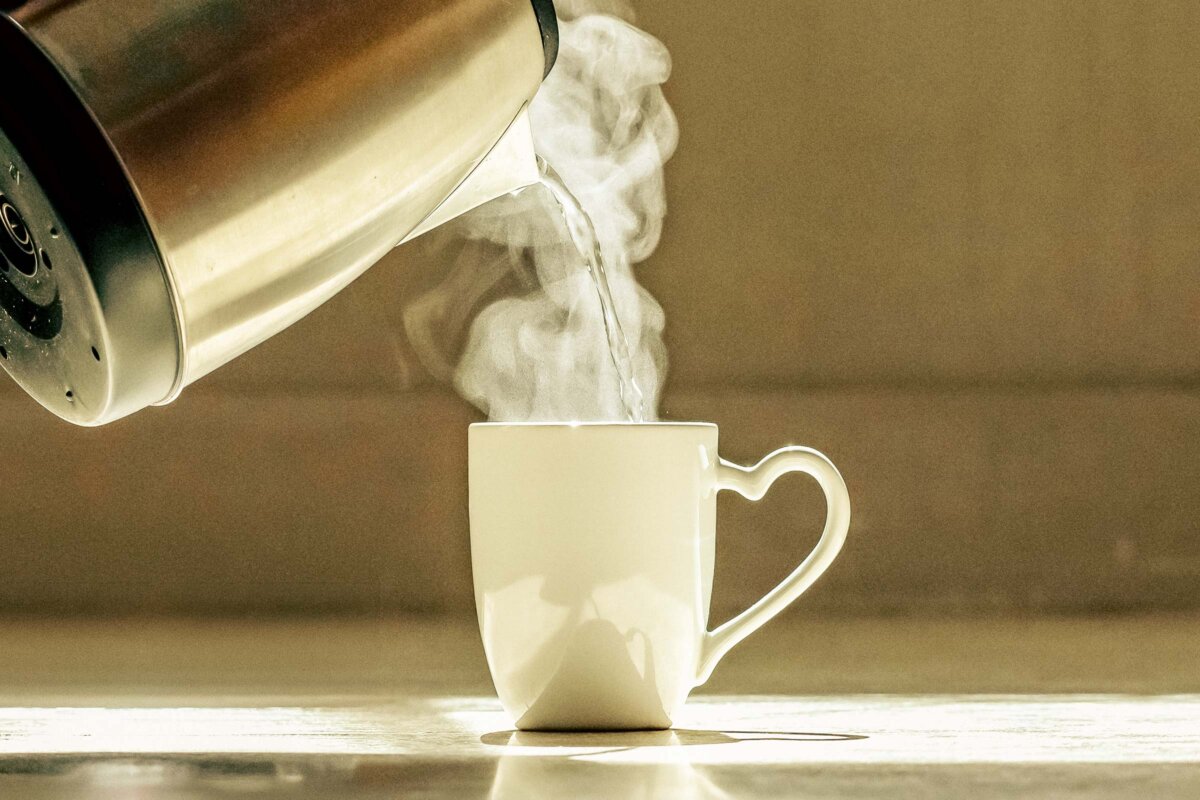
In a wellness culture obsessed with cold plunges, protein shakes, and 20-step morning routines, the latest viral habit is a mug of hot water first thing in the morning.
It has no adaptogens or collagen, and yet, plain hot water is quietly taking over. The irony isn’t lost on practitioners of traditional Chinese medicine (TCM), for whom this practice is just another morning routine.
“It’s interesting to see it become a trend now in the Western world,” Felice Chan, a TCM practitioner who has started every morning with the drink since childhood, told The Epoch Times.
In Chinese households, the practice has been normal for generations.
“In Chinese medicine, hot water is more about longevity and daily wellness practices rather than a quick fix,” she said. “It’s really a small habit that supports the body over time.”
An Ancient Habit
TCM’s framework for hot and cold foods and beverages dates back to classical Chinese medical texts from about A.D. 200–300, in which warmth was understood to support the body’s internal balance and digestive function, which rely on a dynamic balance of yin and yang.
Warm foods and beverages are thought to enhance circulation and aid the body’s ability to “transform” food into usable energy, or vital energy (qi), by keeping the digestive organs active and supported, which are factors TCM associates with long-term and healthy aging.
In TCM, longevity isn’t just about living a long time—it’s about keeping the body balanced and functioning well over the years. When the digestive organs, especially the spleen and stomach, are active and supported, the body is less likely to accumulate imbalances such as dampness or stagnation, which TCM associates with fatigue, illness, and age-related decline.
Chan often recommends hot water to her patients with a white coating on their tongues, a sign of excess dampness in TCM, often associated with sluggish digestion or an imbalance in the body’s internal systems.
“Warm water supports the body’s digestive fire and helps the spleen and stomach transform food and fluids more efficiently, which supports metabolism and overall energy,” she said.
Digestive fire is the ability to process food and turn it into energy.
In practice, digestive improvements aren’t only internal. They often show up in how people feel day to day—even in her own life, Chan said.
“What this does is that it helps me stay sharp, reduce brain fog, help with energy, and help with stubborn weight gain and bloating,” she said.
In TCM, better digestion is thought to support clearer thinking because the body is more efficiently converting food into energy, which can reduce feelings of sluggishness or brain fog. More consistent digestion may also help stabilize energy levels throughout the day, rather than causing spikes and crashes.
When the body processes food and fluids more effectively, she said, it can also reduce bloating and fluid retention, which may make it easier to manage weight over time by supporting metabolism and reducing the feeling of heaviness after eating.
Cold beverages, on the other hand, are believed to slow this process down. TCM suggests that the body has to use extra energy to warm up cold drinks before digesting them, which can weaken the body’s digestive “fire.” Drinking iced beverages can make the stomach and spleen “cold,” which, in TCM, is thought to slow digestion and sometimes cause discomfort such as stomach pain, diarrhea, or indigestion.
However, for some, cold smoothies can feel energizing, Malika Sood, a doctor of TCM and founder of Amavi Wellness, told The Epoch Times.
“But for others, especially those who are already depleted or ‘cold’ in nature, these habits can worsen fatigue, digestion, and hormonal balance,” Sood said.
Additionally, iced beverages may affect the trachea, which can trigger asthma attacks and coughing. Generally, studies show that drinking hot beverages is more effective at relieving cold or flu symptoms such as a runny nose, coughing, sore throat, and sneezing.
The Evidence
Direct scientific evidence that hot water itself offers unique health benefits is limited. However, what is well-supported is the role of hydration—regardless of temperature—in supporting digestion and overall health.
That said, when it comes to digestion specifically, warm beverages may offer an added edge.
“Drinking warm beverages can improve digestion and gut health by relaxing digestive muscles, which will then increase blood flow to the digestive tract,” Allison Bowers, a licensed dietitian at Colgate University, told The Epoch Times. “This can really help facilitate waste movement for anyone, but particularly those who may struggle more with digestive conditions such as irritable bowel syndrome.”
Generally, not drinking enough fluids can lead to constipation, which is why it’s recommended that you drink an appropriate amount for your size, health, and activity level.
“Anyone could benefit from drinking warm beverages to help with gut health,” Bowers said.
People with cardiac conditions should make sure that they follow the fluid intake guidelines provided by their doctor, as both dehydration and excessive fluid intake can place additional strain on the heart, she said.
The skin and energy benefits cited by hot water enthusiasts are harder to pin down clinically, although some state that they follow from improved gut function.
“I’ve learned how connected the gut is to your skin,” said wellness creator Alaysia Hicks, who added hot water to her routine after noticing changes in her digestion and complexion.
Best Practices
The appeal of the warm water trend, beyond its simplicity, lies in its low barrier to entry, as there is no need for supplements or special equipment.
A good reference point for how hot the water should be is just above body temperature, which is about 98.6 degrees Fahrenheit.
“Ideally, water should be warm or gently hot, something that feels comfortable to sip rather than something you need to blow on or wait to cool down,” Sood said. “It should feel soothing as it goes down, not sharp or overly intense.”
If you’re an avid iced coffee or matcha drinker, you can start by replacing one cold drink per day with warm water or herbal teas, she said. As you’re implementing the habit, it’s important to pay attention to how your body responds.
“If warm water feels soothing and improves digestion, continue,” Sood said. “If you feel overheated, switch to lukewarm and observe the difference.”
Drinking tea is another way to support your body’s specific needs, whether by warming digestion, calming the mind, or relieving occasional bloating or tension.
“Warm water is the most neutral and accessible way to support digestion in TCM,” Sood said. “Tea, on the other hand, carries its own energetic properties.”
For example, ginger tea can warm and support digestion, while peppermint tea can cool and move stagnation. Both are helpful, but in different situations and for different patterns.
“It’s not that tea is better or worse than warm water, it simply serves a different purpose,” she said. “Warm water provides steady, consistent support throughout the day, while tea can be used more intentionally depending on what your body needs.”
It’s important to find what works for your body, as no two bodies are the same, she said.
“Two people may share the same symptom, but the root cause can be entirely different,” Sood said. “What works for one person may create imbalance in another.”
If the water is too hot, it can create irritation, especially for those who already have signs of internal heat such as dryness, irritability, or acid reflux. In those cases, very hot water can be just as disruptive as cold.
It’s also not a universal prescription. Those with strong internal heat—experiencing frequent thirst, irritability, or heat-related symptoms—may find very hot water aggravating and do better with lukewarm.
When starting a new habit or routine, ask yourself, “Do I feel better or worse after doing this consistently for a week?” Let your body guide your routine.