



Creams soothe symptoms, and sitz baths feel good while you’re sitting in them, but neither fixes the cause of hemorrhoids. One of medicine’s most common and least discussed conditions, hemorrhoids affect more than half of all adults older than 50. According to new clinical guidelines from the American Gastroenterological Association, nearly everything we reach for first for relief is the wrong move.
The most effective treatments are often the basic ones.
The First-Line Treatment
The expert review, published in Clinical Gastroenterology and Hepatology, consists of 11 best-practice statements from doctors diagnosing and managing hemorrhoids, based on a review of published literature and expert consensus. The review is a new clinical practice update from the American Gastroenterological Association.
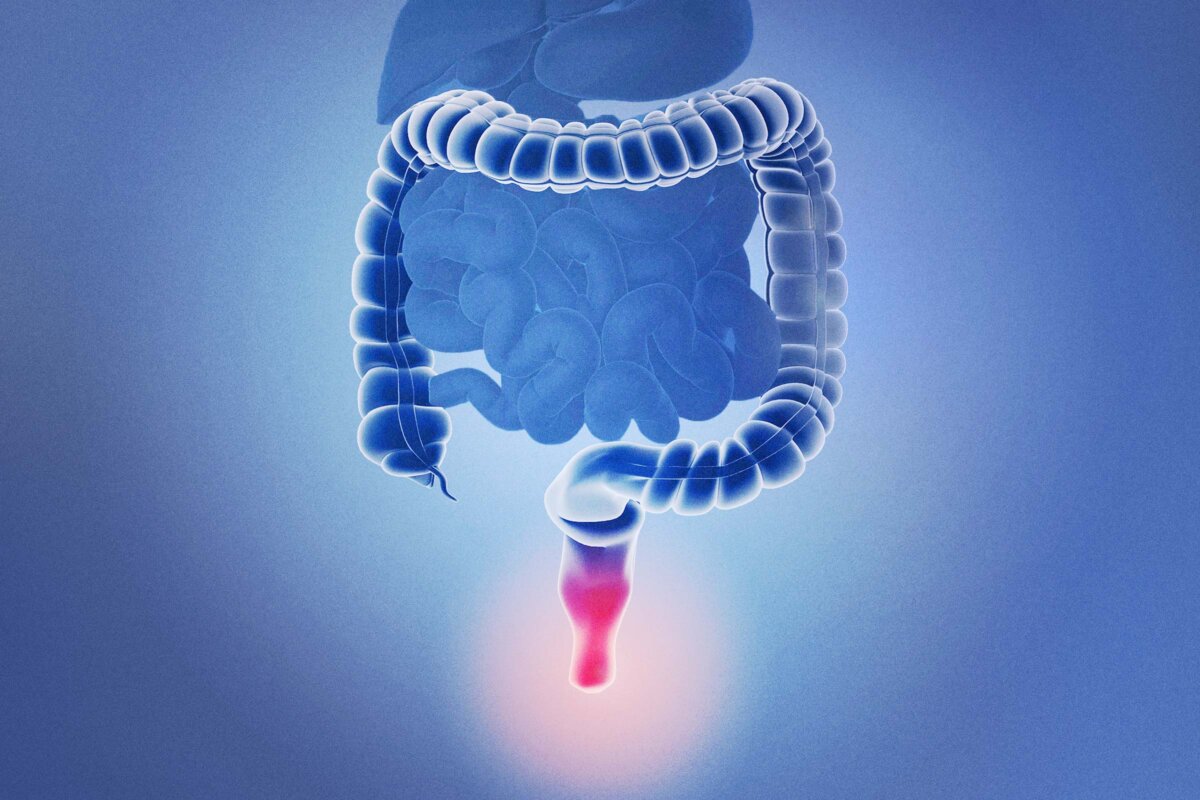
Hemorrhoids are swollen vascular cushions in the anal canal that can cause bleeding, itching, discomfort, or prolapse—when tissue protrudes outside the anus. With age, these normally protective cushions can enlarge and shift downward, making symptoms more likely.
Internal hemorrhoids, found inside the rectum, are typically painless and often present with bleeding. External hemorrhoids, located under the skin around the anus, are more likely to cause itching and irritation.
The update emphasizes simple lifestyle changes as the first-line treatment. Dr. Waqar Qureshi, a gastroenterologist at Baylor College of Medicine and coauthor of the review, said the most common underlying cause is a lack of dietary fiber, which leads to chronic constipation and straining—both of which increase pressure in the anal canal and contribute to the development of hemorrhoids.
Bathroom habits also matter.
“As a rule, you should not spend more than five minutes on the toilet seat,” he told The Epoch Times. Spending too much time on the toilet—while straining or scrolling on a phone—can increase pressure in the anal canal and worsen hemorrhoids.
Many people turn to over-the-counter creams containing numbing agents, astringents such as witch hazel, or vasoconstrictors. However, the update notes that evidence supporting these treatments is limited.
“Most over-the-counter ointments provide temporary, symptomatic relief only,” Qureshi said.
The guidelines also caution against using topical steroids for more than two weeks, as prolonged use can thin the skin and increase sensitivity.
When to Escalate Care
Hemorrhoids are often blamed for any pain during bowel movements; however, the update notes that they typically cause significant pain only when a blood clot forms inside them, which can stretch and inflame the surrounding tissue, triggering severe pain. These cases are best treated with incision and drainage rather than conservative management for rapid relief of symptoms.
Sharp pain during bowel movement is more often caused by an anal fissure, a small tear in the lining of the anal canal, not a hemorrhoid. Dr. Carmen Fong is a colorectal surgeon, co-medical director of Hemorrhoid Centers of America, and chief medical officer of Bummed—a digital health company focused on anorectal care. Fong, who was not involved in the study, flagged tears as a frequent source of misdiagnosis.
“A common thing I see, after seeing 3,000 patients a year, is [people] treating an anal fissure like a hemorrhoid with over-the-counter medications, which will make it worse,” she told The Epoch Times.
Internal hemorrhoids are graded from one to four based on the degree of prolapse—from those that remain inside the rectum to those that protrude and cannot be pushed back in.
For persistent symptoms, the update recommends office-based procedures such as rubber band ligation (banding), which cuts off blood supply to the hemorrhoid so it shrinks and falls off; or infrared coagulation, which uses heat to achieve a similar effect—particularly for hemorrhoids of grades one to three.
Both are considered safe and effective, although banding tends to have longer-lasting results.
“Most hemorrhoid disease can be treated quickly and painlessly in the office setting without the need for anesthesia,” Qureshi said.
Surgery is typically reserved for more severe cases, such as grade four hemorrhoids or those that do not respond to other treatments. Special populations may require a different approach. Hemorrhoids in pregnant women are usually managed conservatively with fiber and constipation relief, while patients with active inflammatory bowel disease should delay treatment until remission, since active inflammation may raise the risk of complications and poor wound healing after hemorrhoid procedures.
Although common, hemorrhoids are often self-treated or ignored. However, delaying care can lead to more invasive treatment.
“The longer you tolerate your hemorrhoid symptoms before seeing your doctor, the more likely you are to need surgery instead of the relatively painless office treatment where hemorrhoids can be banded,” Qureshi said.
Doctors also stress that rectal bleeding should never be dismissed.
“Rectal bleeding can be a sign of more serious disease, such as colon cancer,” he added.
A proper physical exam—one that includes anoscopy, a simple in-office procedure using a small lighted tube—is essential to confirm hemorrhoids and rule out other conditions before any treatment begins, Fong said.
“Ignoring symptoms risks needing more intervention because of a higher grade of hemorrhoids, or worse, missing something more serious, like anal cancer,” she said.
How to Prevent Hemorrhoids
Although the update focuses on treatment, experts say prevention largely comes down to avoiding constipation and reducing strain on the anal canal—the same factors that drive treatment.
“Make sure your stools are soft and easy to pass,” Qureshi said. “If this is not the case, add supplemental fiber to your diet, stay hydrated. Do not sit on the toilet more than five minutes and do not read or take your smartphone into the toilet.”
Fong said, “Prevention is not noted in this new practice guideline, but constipation prevention is key—with a good diet of 25 [grams] to 35 grams of soluble and insoluble fiber, 2 [liters] to 3 liters of water, and moderate activity—as is avoidance of over-wiping or over-cleaning.”
Soluble fiber, found in foods such as oats, beans, and fruits, helps soften stools by absorbing water. Insoluble fiber, found in whole grains and vegetables, adds bulk and helps move stool through the gut. For context, reaching 25 grams to 35 grams of fiber per day usually requires multiple servings of fiber-rich foods across meals throughout the day.
Although hemorrhoids are often managed at home, proper diagnosis is essential—and simple, everyday habits remain the most effective defense.