



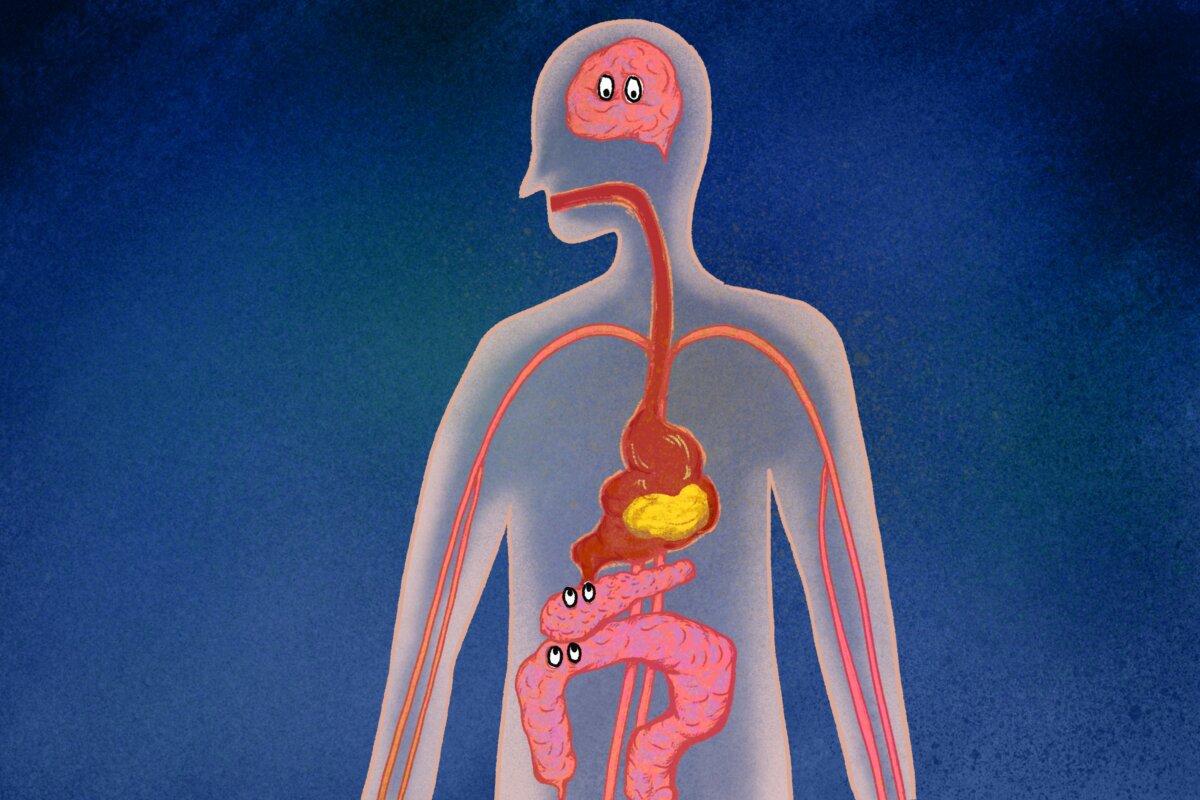
The most powerful sleep aid in Magdel van Vuuren’s life wasn’t a supplement or a new mattress. It was a change in her eating schedule.
For what felt like years, van Vuuren climbed into bed each evening, hoping this would finally be the night she slept well. Instead, she’d lie awake, watching the hours pass, growing more frustrated. As she slept worse, she also started to gain weight.
Her doctor’s suggestion sounded almost too simple: Finish dinner by around 6 p.m.
Within weeks, she noticed a difference. “I was spending less time awake at night, and gradually, sleeping through the night became easier,” she said. Over the next few months, the extra weight came off, too. The change was big enough that she stuck with it for years.
Van Vuuren’s experience reflects a growing area of research: Finishing your last meal several hours before bed gives the body time to wrap up digestion and turn its energy to its real use.
Why Timing Matters
Our metabolism doesn’t work at the same speed all day—it’s closely tied to our circadian rhythm.
Carbohydrate, fat, and energy metabolism are all regulated by the circadian system. In the morning, beta-cell responsiveness—how well the cells in the pancreas release insulin after you eat—insulin sensitivity, and the thermic effect of food—the energy your body uses to digest and process a meal—are higher than in the afternoon or evening.
In other words, your body is better equipped to process food earlier in the day.
Eating at times that conflict with the body’s circadian rhythm may disrupt metabolic processes and contribute to adverse health outcomes, according to research by Jerome Menet, an associate professor of biology at Texas A&M University.
Imagine a factory that operates during the day and winds down at night. At midnight, when everything is closed, a truck arrives loaded with fresh materials. The factory then has to process the delivery by calling workers in for overtime and restarting the machines.
Consistency also matters. “It’s not just about the timing of your meal, but also whether you regularly eat at that time,” Jamie Zeitzer, a circadian rhythm researcher at Stanford, told The Epoch Times.
When good rhythms form, the circadian system optimizes digestion, with many benefits.

1. Better Sleep
For van Vuuren, sleep was the first change she noticed—and it has real research behind it.
A study led by the University of Michigan found that eating within an hour of bedtime was associated with more time awake during the night and worse sleep overall. People who ate within an hour of bedtime had more than twice the odds of being awake for at least 30 minutes during the night compared with those who did not.
By contrast, eating around 4 to 6 hours before bed was associated with a greater likelihood of getting an optimal amount of sleep.
One possible explanation relates to the competing demands placed on the body at night. As evening approaches, melatonin levels rise to prepare the body for sleep and reduce insulin secretion. Because digesting a meal requires insulin, eating close to bedtime asks the body to lower insulin and use it at the same time.
Finishing eating early gives the body time to complete the work of digestion before it shifts into its nighttime state. “You stop asking your body to do two jobs at once,” Dr. Sunil Kumar, a board-certified lifestyle medicine physician, told The Epoch Times.
Then, the body can spend the night carrying out its other normal processes: repairing tissue, regulating immunity, consolidating memory, and clearing waste from the brain.

2. Less Reflux
Avoiding reflux is another, more physical reason to leave some time between dinner and bedtime.
Research has found that the closer dinner is to bedtime, the worse reflux symptoms can be—which has a simple mechanical explanation. Lying down with a full stomach makes it easier for the stomach contents to move back up into the esophagus. This can fragment sleep, even in people who don’t experience obvious heartburn.
“People with reflux or disturbed sleep, who move dinner earlier, will often see a change within a week or two,” Kumar said.

3. Better Blood Sugar
People with prediabetes or Type 2 diabetes do really well from moving dinner earlier. “Meal timing is one of the cheapest levers we have for improving glucose control,” Kumar said.
In one study, researchers compared people who ate dinner four hours before their usual bedtime with those who ate dinner one hour before bed. Those who ate later had 8.3 percent higher glucose levels.
Meal timing also affects insulin sensitivity. In a study of men with prediabetes, early time-restricted eating increased insulin sensitivity, which may be an effective strategy for improving the condition and potentially prehypertension.

4. Losing Weight
The insulin effect matters for weight, too. Because insulin has more time to settle before bed when dinner is eaten early, the body ends up burning more fat overnight rather than storing it.
A small controlled study found that people who ate earlier in the day burned a greater proportion of fat, although they did not burn more total calories.
In a 14-week study in adults with obesity, those who ate most of their food earlier in the day lost more weight than those who spread their eating over a longer period. Among those who completed the study, the early eaters lost more body fat and fat from the trunk.

5. Easier Digestion
How well your stomach and intestines move, how your digestive enzymes fire, and how well you absorb nutrients all shift throughout the day. Even your gut microbiome follows a daily rhythm shaped by when you eat.
The digestive system winds down as the night approaches.
“If I’m going to bed at 10 o’clock, I’d rather have my last meal around 6 and be finished eating by then,” Jason Nelson, a personal trainer, told The Epoch Times. “That gives my body a longer window to digest before sleep.”

6. Better Brain Health
Some research suggests fasting may help delay cognitive decline and even slow the progression of Alzheimer’s disease.
One proposed mechanism is that the overnight fasting period supports the production of BDNF, or brain-derived neurotrophic factor—a protein that helps brain cells grow and stay healthy.
“Sometimes described as fertilizer for the brain, BDNF helps support the growth and health of brain cells,” Jaz Robbins, a holistic nutritionist and psychologist, told The Epoch Times. Higher BDNF levels may mean less brain fog and greater resistance to neurodegenerative disease over time, she said.
Robbins also pointed to a possible psychological effect. Supporting brain health may influence how we feel and think. Fasting has been associated with greater mental clarity and a more positive, resilient outlook. This may be partly related to the neuroendocrine response that fasting triggers in the body.
“This is hands-down my favorite benefit of overnight fasting,” Robbins said.
Is an Earlier Dinner Right for Everyone?
An earlier dinner may work well for some people, but it isn’t necessarily right for everyone.
Shift workers, pregnant women, athletes in heavy training, and anyone with a history of disordered eating may need a more individualized approach. Overly rigid eating windows can do more harm than good, Kumar said.
“An earlier dinner is a rhythm, not a rule,” he said. He frames the habit as having dinner earlier rather than skipping it. Those who stick with it long-term anchor it to a desired outcome, such as better sleep, rather than a white-knuckling restriction.
How to Set a New Rhythm of Eating
If you want to try moving dinner earlier, there’s no need to make it another source of stress. An occasional late dinner won’t undo the benefits.
-
Work Backward From Your Bedtime, Not the Clock: If you’re usually asleep by 10 p.m., aim to finish eating by around 6 p.m. Going to bed later means your early dinner can be later too.
-
Aim for Consistency Over Precision: Eating around the same time each day is as important as how early you eat.
-
Adjust for the Season and Your Body’s Rhythms: Nelson pays particular attention to this in winter, when earlier darkness can shift circadian rhythm. He weighs sleep schedule, light exposure, and digestion together rather than following the clock alone.
“It is the same food, placed better in the day,” Kumar said.