




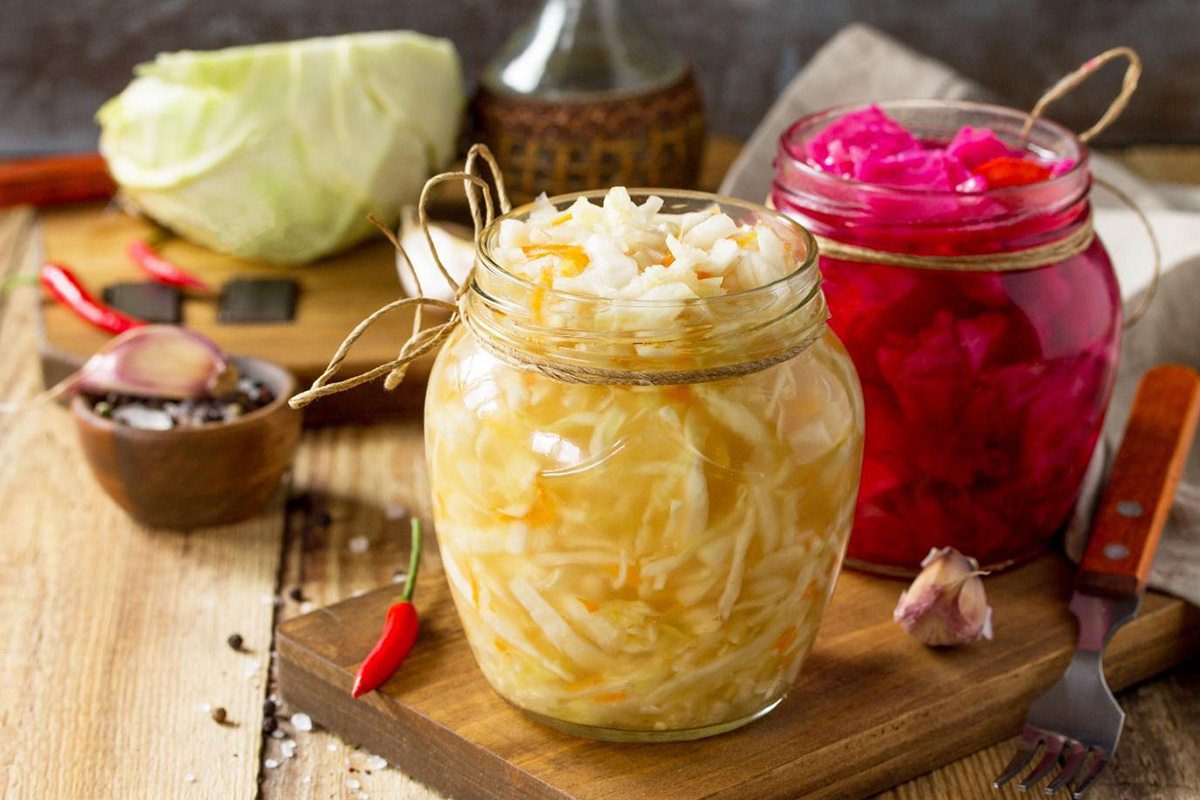
Good bacteria can improve intestinal health, and fermented foods are one of the sources of good bacteria. However, modern-day fermented foods manufactured under accelerated chemical processes without proper fermentation can be problematic. The line between genuine fermentation and mold is wafer-thin. So how can we be sure we’re eating safely fermented foods? Professor Wang Shao-hong, a microbiology expert, provides tips on how to eat fermented foods.
Nutritional Value of Fermented Foods
Mr. Wang explained that fermentation is a process in which microorganisms decompose food from large into smaller molecules, changing the properties of substances. The agents that perform such transformations are called enzymes. Bread, steamed buns, soy sauce, yogurt, natto, miso, and stinky tofu are common fermented foods.
Fermented foods have the following three main benefits:
- Easier to absorb smaller molecules: Once protein or starch is broken down into smaller molecules, it becomes easier to absorb.
- Postbiotics increase immunity: The metabolites produced by lactic acid and acetic acid bacteria during fermentation are called postbiotics. Postbiotics can be used to improve body immunity and health.
- Easier to digest: There are always certain substances the body cannot absorb directly. Those substances are metabolized through fermentation, allowing the body to absorb them. Things like oleuropein from olives or stachyose and soybean raffinose are such substances. They require many microorganisms to break them down, resulting in flatulence. Fermentation lessens the chances of this.
Soy Sauce Made in Pottery Urns vs. Using Chemicals
Soy sauce is traditionally made in large pottery urns with tiny holes. These tiny pores allow a small amount of water to slowly seep out and then evaporate from the surface of the pottery urn, which helps reduce the temperature from heat generated through fermentation.
The urn’s thickness prevents the temperature from rising and falling rapidly. Moreover, the urn blocks light, making it a breeding ground for many light-shy microorganisms. Light affects the color of the microorganisms and the food. In addition, the gaps in the pottery urn’s surface allow the microorganisms enough room to grow, prolonging the fermentation process.
Today’s fast-paced commercial world pushes soy sauce production to be shorter and shorter. Many manufacturers employ acetic acid to dilute the high-purity soy sauce paste or use chemical synthesis to shorten production time. Recent literature indicates that when hydrochloric acid is used to decompose glycerol in soybean oil, carcinogen 3-monochloropropane-1,2-diol is produced. However, Mr. Wang said that governments around the world have already established clearly defined controls on food safety, and the chances of problems occurring are low.
Regarding food safety, Mr. Wang said that all fermented foods require different bacteria to help transform substances. For example, French blue cheese requires a special penicillin to produce its unique flavor. Harmful mold will be produced if other bacteria enter the production site during processing or if the finished product is not sealed correctly.
Homemade Kimchi Recipe
Mr. Wang provided his homemade kimchi recipe.
- Wash the leaves of the vegetables. Press and lay them flat, and place them in an urn or glass jar.
- Add enough water to cover the vegetables, then seal the container. In addition to anaerobic lactic acid bacteria, plants have aerobic molds and acetic acid bacteria. Sealing creates an airless environment, allowing lactic acid bacteria to grow, pickling the vegetables.
Mr. Wang said that traditional pickling takes three months to half a year. If you want to speed up the process, you can do the following:
- Blanch the cabbage: Blanching the cabbage for 30 to 60 seconds kills microorganisms and the enzymes in the vegetables. Pickled vegetables made this way will have a less strange taste.
- Add sugar or salt to reduce water content. If you add salt, you must flush it with clean water. This is unnecessary if you use sugar.
- Put the vegetables into the jar, then pour in cool boiled or bottled mineral water.
- Add bacterial powder (yogurt lactic acid bacteria powder or Yakult).
- Fill the jar with water and seal it. Leave it for about 2 weeks for the flavor to appear.
Mr. Wang said that many people nowadays make their own yogurt by adding milk to unfinished yogurt for a second time or even a third. However, such an act will likely contaminate the other microorganisms during the process. When the original good bacteria are mixed with bad ones, it can result in gastrointestinal discomfort. That is the reason why a clean environment is always paramount.
When buying pickled products, you should ensure the packaging is undamaged, and there is no discoloration. When opening the can, a “pop” sound indicates the food has been vacuum-bottled properly.